


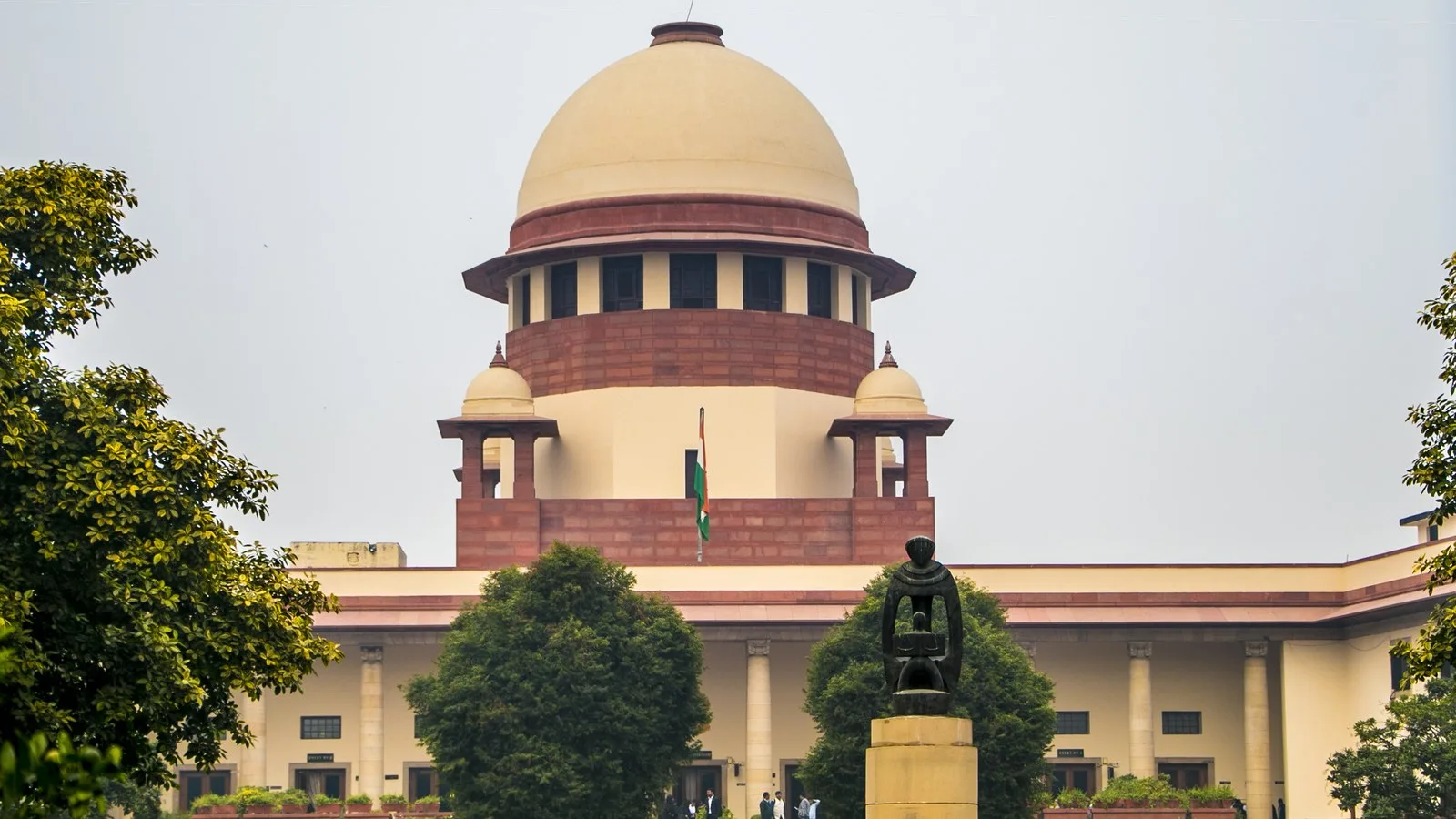
On 23 November 2026, the Supreme Court stepped into the long-running dispute over West Bengal's voter list and told the tribunals hearing appeals to put deleted voters first. A three-judge bench led by Chief Justice of India Surya Kant, with Justices Joymalya Bagchi and V. Mohana, ordered that appeals by voters whose names were removed during the Special Intensive Revision (SIR) must be heard before appeals that challenge the inclusion of other names. With about 38 lakh appeals pending, the order decides who gets heard first, and it matters most for voters in Kolkata, where civic elections are approaching.
What is the SIR, and what happened in West Bengal
The Special Intensive Revision is the Election Commission of India's house-to-house re-verification of the electoral rolls. In West Bengal, the exercise led to the deletion of about 90.83 lakh names from the rolls, nearly 12 percent of the state's pre-revision electorate of 7.6 crore, ahead of the April 2026 Assembly elections. The Commission said the names were removed because the voters were found dead, absent, shifted or duplicate, or flagged for logical discrepancies in their records.
The exercise has been in the courts since it began. In July 2025 the Supreme Court said it could affect voters' fundamental rights, and on 27 May 2026 it gave its final judgment in the Association for Democratic Reforms case, ADR versus ECI, linking the legal basis of the exercise to Section 21(3) of the Representation of the People Act, 1950.
What the Supreme Court ordered on 23 November
The bench told the tribunals to split the pending appeals into two groups: appeals by voters whose names were deleted and who seek re-inclusion, and appeals that challenge the inclusion of certain names. The first group must be decided first, because the court treated an excluded voter's right to get back on the roll as more urgent than an objection to someone else being on it.
The court gave an extra direction for Kolkata. Appeals from voters in Assembly constituencies that fall within the Kolkata Municipal Corporation area must get top priority, because civic elections are coming up and those voters risk losing the chance to vote if their appeals are not decided in time. Advocate Prashant Bhushan told the court that more than two lakh such voters in the Kolkata area had appeals pending. The Election Commission must publish a list of the corporation area constituencies, identify the appeals from them, and finish within a week.
The court also told the Election Commission to increase the number of appellate tribunals, in consultation with the Chief Justice of the Calcutta High Court. There are 19 tribunals at present, and the bench said that is not enough for a backlog of this size. It also asked the Commission to move the tribunals to central locations across Kolkata, with Justice Bagchi suggesting premises in and around New Town.
Why the backlog is so large
An Election Commission affidavit filed in September put the scale in numbers: about 38.31 lakh appeals were filed, of which about 22.21 lakh were by voters challenging their exclusion and about 16.10 lakh challenged the inclusion of certain names.
Very few have been decided. Bhushan told the court that only a little over one lakh appeals had been decided, and about 93 percent of those ended with the deleted name restored to the roll. That high restoration rate is one reason the bench put deletion appeals first: on the evidence so far, most people who appealed were found to belong on the list.
Senior advocate Gopal Sankaranarayanan, appearing for the petitioners, also questioned whether the office of the Chief Electoral Officer had the legal authority to file appeals against the inclusion of voters, relying on Rule 23 of the Conduct of Elections Rules, 1961. The court did not decide that question in this order, but the point is now part of the case before it.
The welfare benefits question
The hearing also raised a second issue that goes beyond voting. The petitioners said voters removed during the SIR were being denied welfare benefits, even though the court had made it clear that deletion affects only the right to vote. Prasenjit Bose, who chairs the SIR Committee of the West Bengal Pradesh Congress Committee, was represented by Sankaranarayanan and advocate Neha Rathi.
They pointed to three state government orders. On 14 May, the state directed authorities to re-verify and cancel the caste certificates of people whose names had been deleted from the SIR list. On 19 May, a notification said purged voters must not remain beneficiaries of the Annapurna Yojana cash transfer scheme for women unless they had appealed. On 4 June, the state directed the deletion of beneficiaries under the Public Distribution System on the basis of the SIR outcome.
Justice Bagchi reacted sharply, saying the court had made it clear that the exclusion was only with regard to the electoral roll and not other benefits. Solicitor General Tushar Mehta said the claims were bald assertions and that the petitioners had not cited a single example to substantiate them. The bench issued a notice to the state government and the Election Commission seeking their response, and Justice Bagchi noted that any person facing actual deprivation is free to approach the High Court for immediate relief.
The human cost of the confusion showed up the same week. On 26 November, the district administration in Coochbehar issued a residence certificate to the mother of a two-month-old infant, after the parents had struggled to get a birth certificate for the child because the father's name had been deleted from the electoral rolls during the SIR.
What happens next
The next steps are administrative. The Election Commission must consult the Chief Justice of the Calcutta High Court about adding tribunals, publish the Kolkata corporation constituency list, identify those appeals within a week, and find more accessible premises in the city.
The legal questions continue. The court is still hearing the wider challenge to the SIR, and whether deletion can lawfully affect welfare benefits is now formally before it. For the 22 lakh voters waiting to get their names back, the practical effect is simple: their cases now go to the front of the queue.
Frequently Asked Questions
What did the Supreme Court order on 23 November 2026?
The court told the tribunals to decide first the appeals of voters whose names were deleted, and to defer appeals challenging the inclusion of other names. Appeals from the Kolkata Municipal Corporation area get top priority.
How many appeals are pending, and how many have been decided?
About 38.31 lakh appeals were filed: 22.21 lakh by voters seeking re-inclusion and 16.10 lakh challenging inclusions. Only a little over one lakh had been decided, and about 93 percent of those ended with the name restored.
Can losing your place on the voter list cost you welfare benefits?
No. The court has said deletion affects only the right to vote, not other benefits. The petitioners said deleted voters were still being denied rations, cash transfers and caste certificates, and the court has asked the state government and the Election Commission to respond.
Read More: Explained: Maharashtra SIR and the 14,567 Voter Deletion Requests
Read More: Explained: The CEC Law Row and the Supreme Court Recall Plea
Read More: Explained: Parliament to Reconvene on November 30, Delimitation and Women's Quota in Focus
Read More: Explained: Tata Trusts vs Chandrasekaran, the Article 121 Fight Over His Reappointment

Comments
Be the first to comment on this story.