


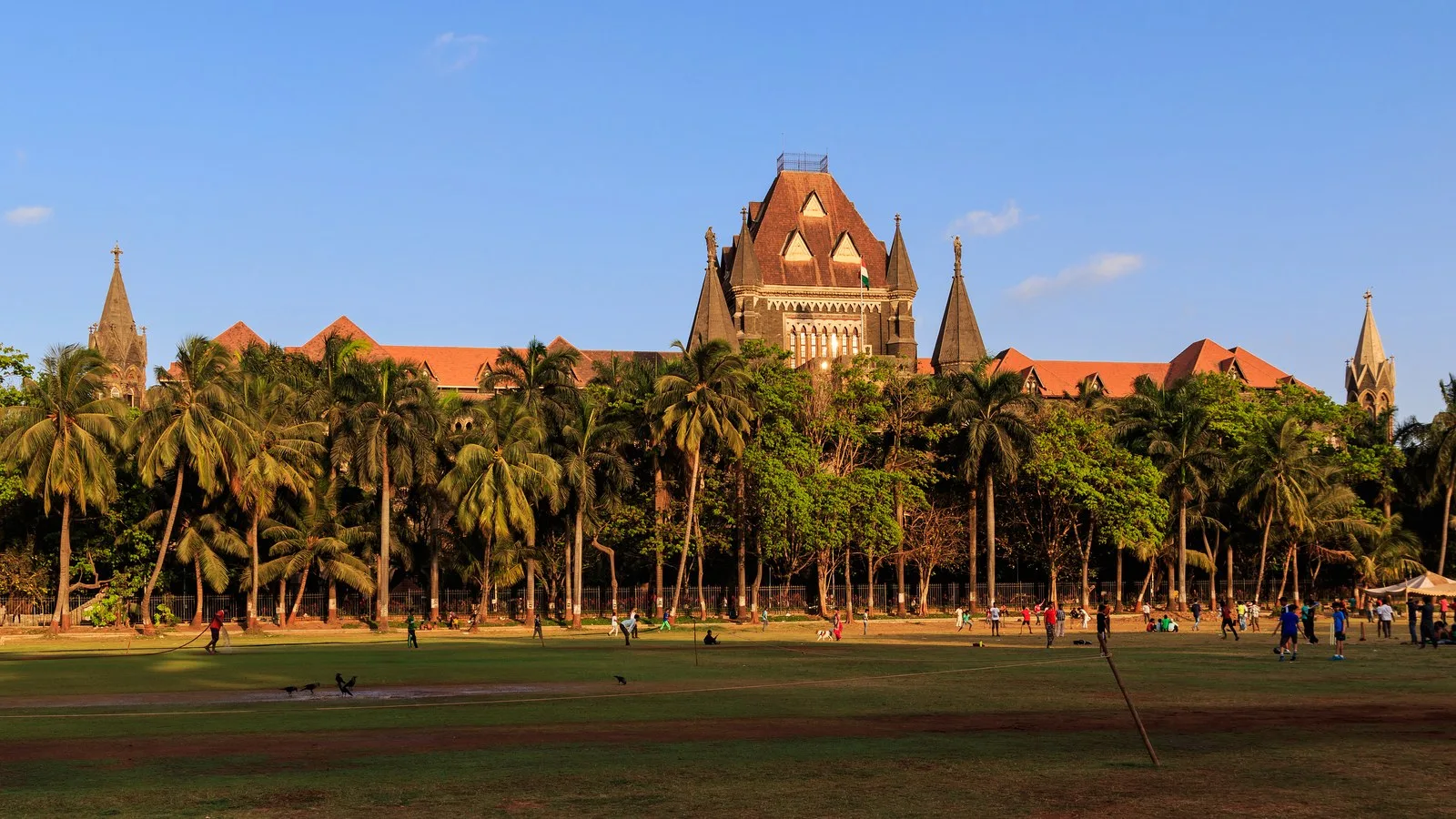
Tata Trusts, the largest shareholder in Tata Sons, have moved the Bombay High Court against the reappointment of N Chandrasekaran as executive chairman of the Tata group holding company. The trusts say the September 17 board resolution that cleared his new term broke the company's own Articles of Association, and they want the court to stop the chairman from using a casting vote when the trusts' two nominee directors disagree. The case will be heard on Friday, 27 November, three days before a crucial Tata Sons board meeting on November 30.
What happened
On Thursday, 26 November, the Sir Dorabji Tata Trust and the R.D. Tata Trust moved the Bombay High Court against Tata Sons and six of its directors. The two trusts, which together hold a 66 per cent stake in Tata Sons, want the court to declare the September 17 resolution reappointing Chandrasekaran invalid, null and void. Senior counsel Abhishek Manu Singhvi and Janak Dwarkadas mentioned the two suits for an urgent hearing. Justice Arif Doctor recused himself, and Justice Abhay Ahuja agreed to hear the matter at 3 pm on Friday, 27 November. The trusts have also sought damages of ₹65 crore, with interest at 18 per cent a year, from the directors.
What is Article 121, and why it is at the centre
Article 121 of Tata Sons' Articles of Association says that every matter decided by the board by a majority requires the affirmative vote of a majority of the directors appointed under Article 104B who are present at the meeting. The two Article 104B directors are Noel Tata, the chairman of Tata Trusts, and Venu Srinivasan. The trusts argue that this clause gives their nominee directors a protective right: no board decision is valid unless a majority of them back it. They say a casting vote by the chairman cannot stand in for that affirmative vote. Tata Sons maintains that the resolution was validly passed.
What happened at the September 17 meeting
At the Tata Sons board meeting on September 17, a resolution to reappoint Chandrasekaran as executive chairman for a further five years, once his current term ends on 20 February 2027, was put to a vote. Noel Tata voted against the resolution and Venu Srinivasan voted in favour. Independent director Harish Manwani, who was chairing that item, treated the two nominee directors as equally divided and used his casting vote in favour of Chandrasekaran. That gave him a third term as chairman of Tata Sons, and a second five-year term as executive chairman. The trusts say the vote was void because it did not have the affirmative vote Article 121 requires, and that a casting vote cannot substitute for it.
Why November 30 matters
The next flashpoint is the Tata Sons board meeting on November 30. The top item on its agenda is the proposed listing of Tata Sons, which the Reserve Bank of India requires for upper-layer non-banking financial companies. The meeting was pushed to November 30 after Noel Tata wrote to the company raising concerns over notice periods. Noel Tata has opposed the listing and suggested alternative restructuring plans. The trusts fear that another resolution could be passed at the meeting using the chairman's casting vote if the two nominee directors disagree, and they have asked the court to stall some items listed for that meeting. They do not seek a stay on the meeting itself. The trusts' own decision to go to court was carried by a majority of trustees, despite dissent from vice-chairmen who support the listing.
What the trusts want from the court
- A declaration that the September 17 resolution reappointing Chandrasekaran is invalid, null and void. - A direction restraining Tata Sons and its directors from acting on that resolution. - A restraint on the chairman, or anyone chairing a Tata Sons board meeting, from using a casting vote when the trust-nominated directors differ. - Damages of ₹65 crore, with interest at 18 per cent a year.
What happens next
The court hears the matter on Friday afternoon, days before the November 30 board meeting. The outcome will shape not only who chairs Tata Sons but also whether the holding company lists on the stock exchange, a step that would open one of India's most closely held companies to public shareholders. The case comes a decade after the group's last big courtroom battle, the legal fight that followed the ouster of Cyrus Mistry as chairman of Tata Sons in 2016.
Frequently Asked Questions
Why have Tata Trusts gone to court?
They say the September 17 board resolution reappointing N Chandrasekaran as executive chairman is invalid because it did not have the affirmative vote of a majority of the Article 104B directors, as Article 121 of Tata Sons' Articles of Association requires.
What is the casting vote dispute about?
Noel Tata voted against the reappointment and Venu Srinivasan voted in favour. Harish Manwani, who chaired the item, treated the vote as tied and used his casting vote to approve it. The trusts say a casting vote cannot replace the affirmative vote Article 121 requires.
Why does the November 30 board meeting matter?
The meeting's top agenda item is the proposed listing of Tata Sons, which the Reserve Bank of India requires for upper-layer non-banking financial companies. The trusts want the court to stop the casting vote being used there if their two nominee directors disagree.
Read More: Explained: Sensex Surges 2,000 Points, What Is Behind the Rally
Read More: Explained: New US Tariffs, Why India Has an Edge Over ASEAN and at What Cost
Read More: Explained: Contempt of Court, Why Defying a Judge Is Not Always Contempt
Read More: Explained: Parliament to Reconvene on November 30, Delimitation and Women's Quota in Focus
Comments
Be the first to comment on this story.