


Maharashtra's Food and Drug Administration took the Centre to the Bombay High Court in September 2026, accusing it of grabbing powers that belonged to the state. Weeks later, the same government quietly asked for the petition to be withdrawn, leaving unanswered the question of who polices the food on our plates.
What the petition was about
At the heart of the case, filed on September 3, 2026, was a jurisdictional dispute. The Maharashtra FDA argued that the Centre had gone against the Food Safety and Standards Act, 2006, to create a parallel system of enforcement, taking over powers the Act had given to state authorities.
The state said the 2006 Act was built on decentralisation, delegating implementation to state authorities, with states empowered to issue registrations and state licences. The FDA argued that the Food Safety and Standards Authority of India, or FSSAI, had instead moved towards centralisation. The petition challenged the validity of several provisions of the Food Safety and Standards (Licensing and Registration of Food Businesses) Regulations, 2011, and its 2026 amendment, and the creation of Food Analyst and Central Food Safety Officer posts under the FSSAI (Recruitment and Appointment) Regulation, 2018.
How the Centre took over licensing
The FDA's case traced the shift step by step. In August 2011, FSSAI framed regulations that created a Central Licensing Authority and a State Licensing Authority. The state argued this went beyond Section 36(1) of the 2006 Act, which recognised only state-appointed Designated Officers.
In November 2018, FSSAI created the posts of Central Food Safety Officers and Food Analysts, giving the central regulator its own field machinery. In October 2020, it launched the online Food Safety Compliance System, or FoSCoS, portal to issue licences and registrations. The petition said that through FoSCoS, food businesses were brought to the maximum extent under the Central Licensing Authority, even though licensing was the work of the Commissioner of Food Safety and his Designated Officer.
It also claimed that rules notified in January 2023, May 2023 and March 2026 further encroached on the state's powers. In March 2026, FSSAI revised the turnover thresholds: registration up to Rs 1.5 crore, a state licence from Rs 1.5 crore to Rs 50 crore, and a central licence above Rs 50 crore. The practical complaint was about enforcement: the FDA said the parallel system stopped its officials from independently raiding establishments licensed by the Centre.
Why the FDA called FSSAI 'clandestine'
The strongest word in the petition was "clandestine". The FDA claimed FSSAI had framed the 2011 licensing regulations without the previous approval of the Central Government, and that stakeholder objections were considered and finalised by FSSAI itself, instead of being placed before the Central Government. The petition said this was a blatant violation of Section 92(1) of the Food Safety and Standards Act and Section 23 of the General Clauses Act, 1897.
This was not the first complaint
According to the petition, Maharashtra had raised the issue with the Centre several times since 2021. On September 14, 2021, the Maharashtra FDA minister wrote to the Union Health Minister, and in 2022 an MLA raised it with the agency. The state also asked FSSAI to reconsider orders dated July 6, 2021, and December 2, 2021, saying they disabled state food authorities from taking immediate action on food adulteration complaints. The court case was the escalation of a complaint the state had made for five years.
What it means for businesses and consumers
For consumers, the split meant some establishments fell under central officials and some under state officials, though the mandate of both was the same: to inspect food items for safety. For businesses, experts said, the dispute was about uniformity.
"Businesses often face a lot of problems because the same issue is interpreted differently in different States. People feel harassed. When businesses are working across the States, they face issues," said Pawan Agarwal, founder and CEO of Food Safety Foundation.
Agarwal said the petition reflected a narrow way of looking at food safety, and that if the FDA and FSSAI worked in close coordination, the consumer would benefit the most. He also noted that under the newer rules, fewer businesses will need central licences. Experts added that Maharashtra has traditionally not been very proactive about food safety, and that such systems cannot be built on the strength of one proactive officer.
Why the petition was withdrawn
The withdrawal was as quiet as the filing was noisy. On August 31, 2026, Maharashtra's Law and Judiciary Department had written to the Government Pleader of the Bombay High Court, asking for the petition to be filed. It was filed on September 3. The news created a stir, since it was seen as a BJP-ruled state dragging the BJP-led Centre to court, and the court posted the matter for hearing on November 26, 2026.
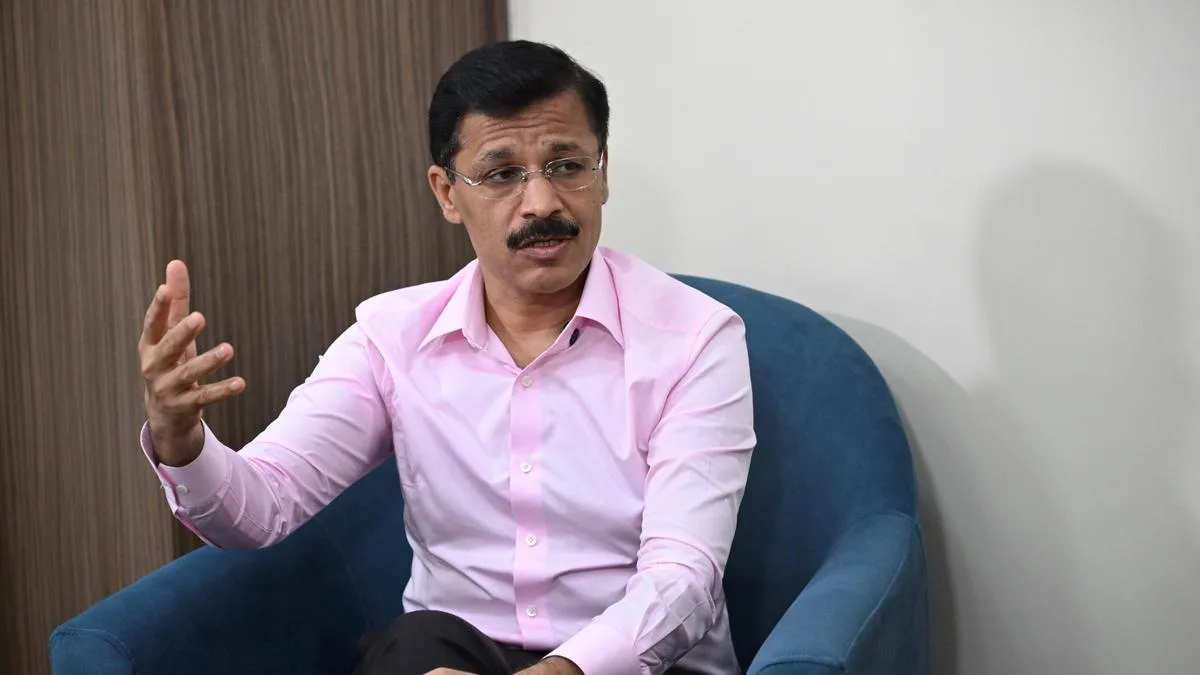
Then, on October 29, 2026, the department wrote again, asking the Government Pleader to withdraw the writ petition. FDA Commissioner Tukaram Mundhe refused to comment, and no official reason has been given. The hearing listed for November 26 will now not decide the constitutional questions the petition raised, and the division of food safety powers between the Centre and the states remains as it was.
Frequently Asked Questions
What is the Maharashtra FDA's dispute with FSSAI?
The FDA says FSSAI created a parallel licensing and enforcement system, including the FoSCoS portal and central food safety officers, that took over powers the Food Safety and Standards Act, 2006, gave to state authorities.
Why did the FDA call FSSAI's regulations 'clandestine'?
The FDA claimed FSSAI framed the 2011 licensing regulations without the previous approval of the Central Government, in violation of Section 92(1) of the Act and Section 23 of the General Clauses Act, 1897.
Why was the petition withdrawn?
On October 29, 2026, the Maharashtra Law and Judiciary Department asked the Government Pleader to withdraw the writ petition. No official reason has been given, and FDA Commissioner Tukaram Mundhe declined to comment.
Read More: Explained: The CEC Law Row and the Supreme Court Recall Plea
Read More: Explained: Maharashtra SIR and the 14,567 Voter Deletion Requests
Read More: Explained: The Rs 874 Crore Plan to Clean the Yamuna
Read More: Explained: How NSE Became the World's Fifth Largest Listed Exchange

Comments
Be the first to comment on this story.