


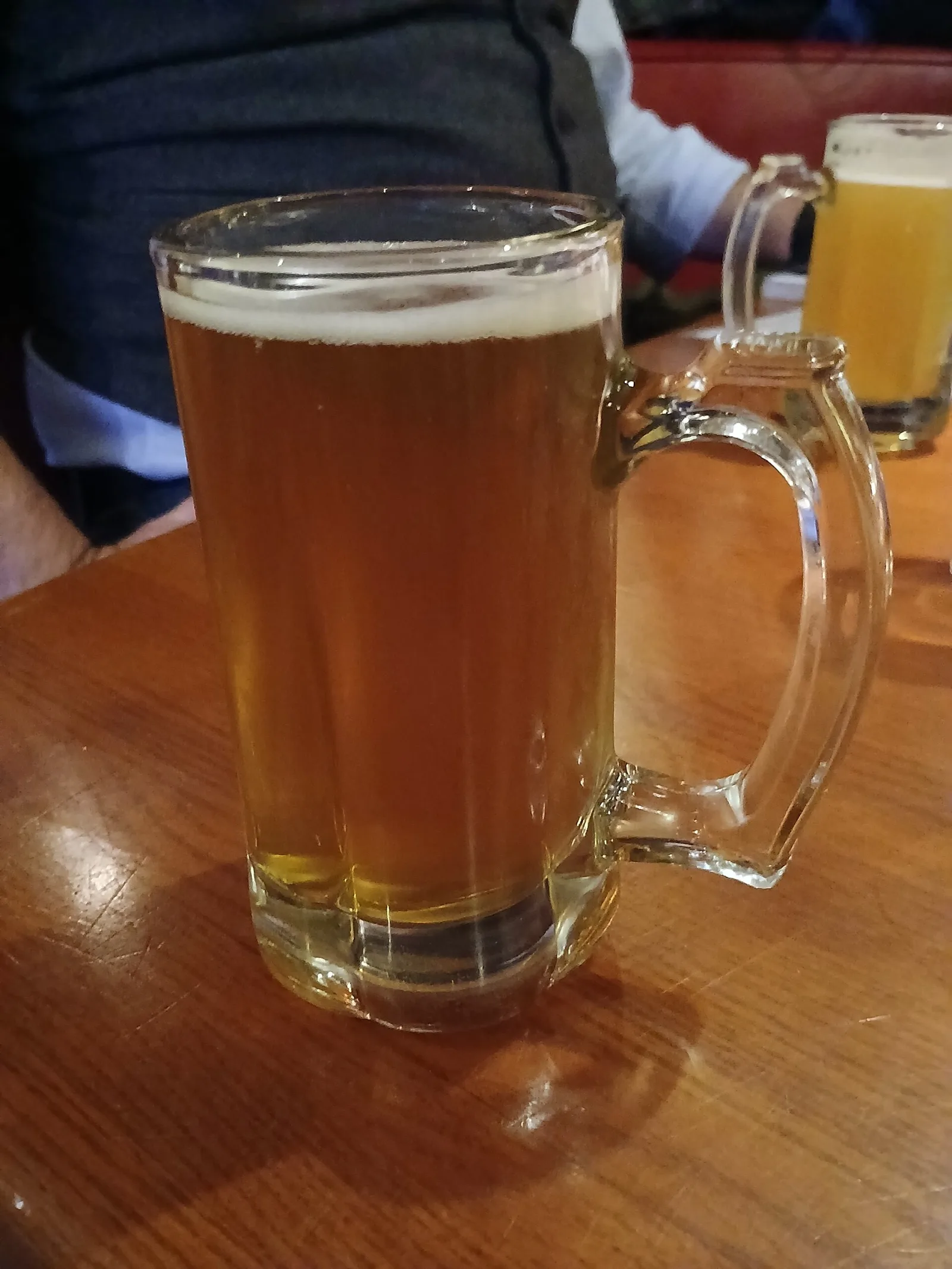
Every drink kills brain cells, or so the warning goes. It is one of the most repeated health claims around, passed on in school health classes, parental warnings and pop-science headlines, and it is wrong. Alcohol does real damage to the brain, but killing brain cells is not how it works. Verdict: False.
The myth
The claim is usually packaged as a neat number: three beers kill 10,000 brain cells, or every drink kills a thousand. It gained traction in the mid-20th century, fuelled by early autopsy studies of people with severe alcohol use disorder, whose brains showed shrinkage. Cell death seemed the obvious explanation, and the warning stuck because it was simple and memorable. The idea is still so familiar that many people treat it as settled fact.
What the research actually shows
Modern neuroscience says otherwise. Scientific American reports that even in heavy drinkers, alcohol consumption does not kill brain cells. What it does is damage the ends of neurons, called dendrites, which makes it difficult for neurons to relay messages to one another. Researchers at Washington University in St Louis found that alcohol, even when applied directly to neurons, did not kill them. It interfered with the way they transmit information, causing certain receptors on neurons to manufacture steroids that inhibit memory formation. In one postmortem study, researchers counted the number of neurons in the brains of drinkers and non-drinkers and found that both groups averaged about the same numbers, regardless of alcohol use. Healthline, summarising the expert view, puts it plainly: there is no evidence that drinking kills brain cells.
What alcohol really does to the brain
The absence of cell death does not mean alcohol is harmless. In the short term, ethanol enhances the activity of GABA receptors, slowing neural firing, while suppressing NMDA glutamate receptors, which impairs learning and memory encoding. That is why one drink can blur reaction time and a few drinks can impair recall. These effects are temporary and reversible.
Long term heavy drinking causes deeper harm. Brain atrophy, or shrinkage, is common among heavy drinkers, and a 2017 study found that even moderate drinking had similar effects. The hippocampus, the area of the brain associated with memory and reasoning, shrank in a dose-dependent way: people drinking the equivalent of four drinks a day had almost six times the shrinkage of non-drinkers, and moderate drinkers had about three times the risk of shrinkage. Heavy drinking also damages white matter, the wiring that carries signals between brain regions, and interferes with neurogenesis, the body's ability to make new brain cells. In a US study, rats given alcohol for two weeks saw new brain cell production fall by almost 40 percent. Heavy drinking can also cause a thiamine deficiency leading to Wernicke-Korsakoff syndrome, a disorder that does involve loss of neurons, but the loss comes from the deficiency and malnutrition, not from alcohol killing cells directly. Alcohol poisoning can cause permanent brain damage and death.
Why the myth survives
The myth survives because it is simple, memorable, and feels true. Heavy drinking visibly harms people, so a claim that it kills brain cells sounds like a reasonable explanation. The Conversation, writing on the evidence, put it plainly: alcohol can harm the brain in many ways, but directly killing off brain cells is not one of them. The myth may even do some good if it makes someone think twice about a third drink, but it misdescribes the risk, and misunderstanding the risk makes it harder to understand recovery.
The verdict
False. Alcohol does not kill brain cells. What it does is damage the connections between them, shrink the brain, and block the growth of new cells. Some of that damage improves with abstinence, research suggests, but long term heavy drinking can leave lasting harm. The warning behind the myth is real. The mechanism is not.
Frequently Asked Questions
Does any amount of alcohol kill brain cells?
There is no evidence that it does, even in heavy drinkers. The damage is to the dendrites and the connections between neurons, not to the cells themselves.
Does alcohol shrink the brain?
Yes. Heavy drinking is linked to brain shrinkage, and the effect is dose dependent: the more a person drinks, the greater the shrinkage, particularly in the hippocampus, which handles memory and reasoning.
Can the brain recover after heavy drinking?
Some effects improve with abstinence, research suggests, though long term heavy drinking can cause lasting harm. Anyone worried about their drinking should speak to a healthcare provider.
Read More: Myths and Facts: Sugar Does Not Make Children Hyperactive
Read More: Myths and Facts: Vitamin C Does Not Prevent the Common Cold
Read More: Myths and Facts: Swallowed Chewing Gum Does Not Stay Seven Years
Read More: Myths and Facts: Cracking Your Knuckles Does Not Cause Arthritis



Comments
Be the first to comment on this story.