


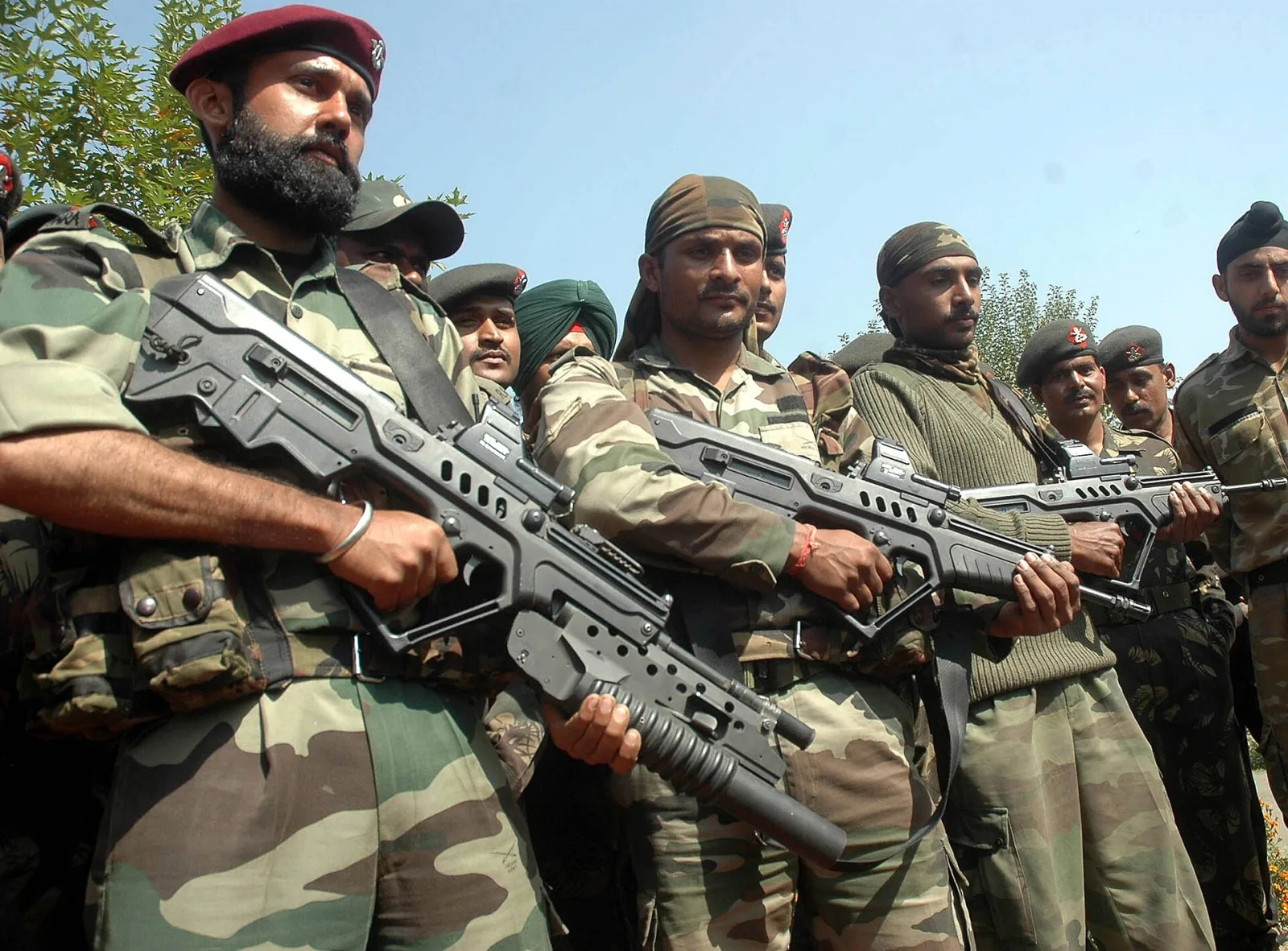
Three videos that went viral after the Kulgam attack in Jammu and Kashmir falsely show senior figures making negative remarks about the Indian Army. BOOM found that all three videos are deepfakes, with cloned voices laid over old or unrelated footage. Verdict: False.
On 11 November 2026, three Central Reserve Police Force personnel were injured when terrorists opened fire on a checkpoint near Mir Bazar in Kulgam district. In the days that followed, social media accounts shared videos claiming that a journalist, a defence expert and the Defence Minister had all spoken against the Army or called the attack a staged operation. None of them had said any such thing.
Claim 1: Sushant Singh called Balakot and Pulwama false flag operations
The first video appears to show Sushant Singh, consulting editor at Caravan magazine, calling the Balakot and Pulwama attacks false flag operations during an interview.
BOOM ran a reverse image search on frames from the video and traced it to the original interview, posted on The Wire's YouTube channel on 10 March 2025. In the 40 minute interview with journalist Ashutosh Bhardwaj, Singh discusses whether the Balakot airstrikes were a military failure and a political success for the Bharatiya Janata Party. He does not make any of the remarks heard in the viral clip.
Singh himself posted on X calling the video fake and AI generated. BOOM also ran the clip through the Hiya Deepfake Voice Detector, which flagged the audio as AI generated.
Claim 2: Praful Bakshi called the Kulgam attack a false flag operation
The second video shows defence expert Praful Bakshi purportedly saying the Kulgam attack was staged to divert public attention from the political pressure on the Narendra Modi led government, including the Congress protests demanding the Chief Election Commissioner's resignation.
BOOM found the original video, posted by ANI on 11 November. In it, Bakshi says the Indian armed forces have to be on the offensive and that the issue needs to be scrutinised further. He says nothing about a false flag operation or about diverting attention from protests.
The Hiya Deepfake Voice Detector flagged the viral video's audio as AI generated. The Indian Army's fact checking unit also clarified that the video attributed to Wing Commander Praful Bakshi (Retd) is digitally altered and that he did not make any such comments.
Claim 3: Rajnath Singh said the Indian Army has low morale
The third video shows Defence Minister Rajnath Singh apparently saying that morale in the Indian Army is low and that their good days will return.
BOOM traced the footage to the original video, posted by ANI on 8 November, in which Singh is addressing Army personnel at the Sherathang War Memorial, extending Diwali wishes and thanking them for their sacrifice. He makes no comment about low morale in the original video.
As with the other two clips, the Hiya Deepfake Voice Detector flagged the audio as AI generated. The Quint's WebQoof team independently debunked the same video, confirming that Singh's Diwali address was altered.
Why the videos spread
All three videos appeared within days of the attack, when public attention was focused on Kulgam. Each one took real footage of a recognisable public figure and replaced the audio with a cloned voice delivering a provocative claim. The technique is cheap, fast and hard to spot at a glance, which is why the clips travelled widely before fact checkers caught them.
The pattern is familiar from earlier incidents. Factly found that the Sushant Singh clip was built from the same March 2025 interview, and that both Singh and the interviewer, Ashutosh Bhardwaj, had publicly said the video fabricates their conversation. The Indian Army's own fact checking unit stepped in on the Bakshi video, a sign of how seriously the services treat impersonation of their personnel and commentators.
None of the three people in the videos said what the viral clips claim. The footage is real, the voices are not, and the claims are false.
Frequently Asked Questions
Did Sushant Singh call Balakot and Pulwama false flag operations?
No. BOOM traced the clip to a March 2025 interview on The Wire's YouTube channel, where Singh discusses the Balakot airstrikes but makes none of the remarks in the viral video. Singh called the clip fake and AI generated, and a deepfake detector flagged the audio.
Did Praful Bakshi call the Kulgam attack a false flag operation?
No. The original video, posted by ANI on 11 November, shows Bakshi saying the armed forces have to be on the offensive. He did not call the attack staged. The Indian Army's fact checking unit confirmed the video is digitally altered.
Did Rajnath Singh say the Indian Army has low morale?
No. The original video, posted by ANI on 8 November, shows Singh extending Diwali wishes to Army personnel at the Sherathang War Memorial and thanking them for their sacrifice. The low morale remarks were added with a cloned voice.
Read More: Fact Check: Viral Video of Rahul Gandhi Crying Is an AI Face Swap
Read More: Fact Check: CRPF Chief Deepfake on Slain Kishtwar Officers
Read More: Fact Check: Jaishankar and Lavrov Deepfakes Fuel False India-Russia Rift Claims
Read More: Fact Check: Photo of Indian Embassy Counsellor at London Protest Is Doctored

Comments
Be the first to comment on this story.