


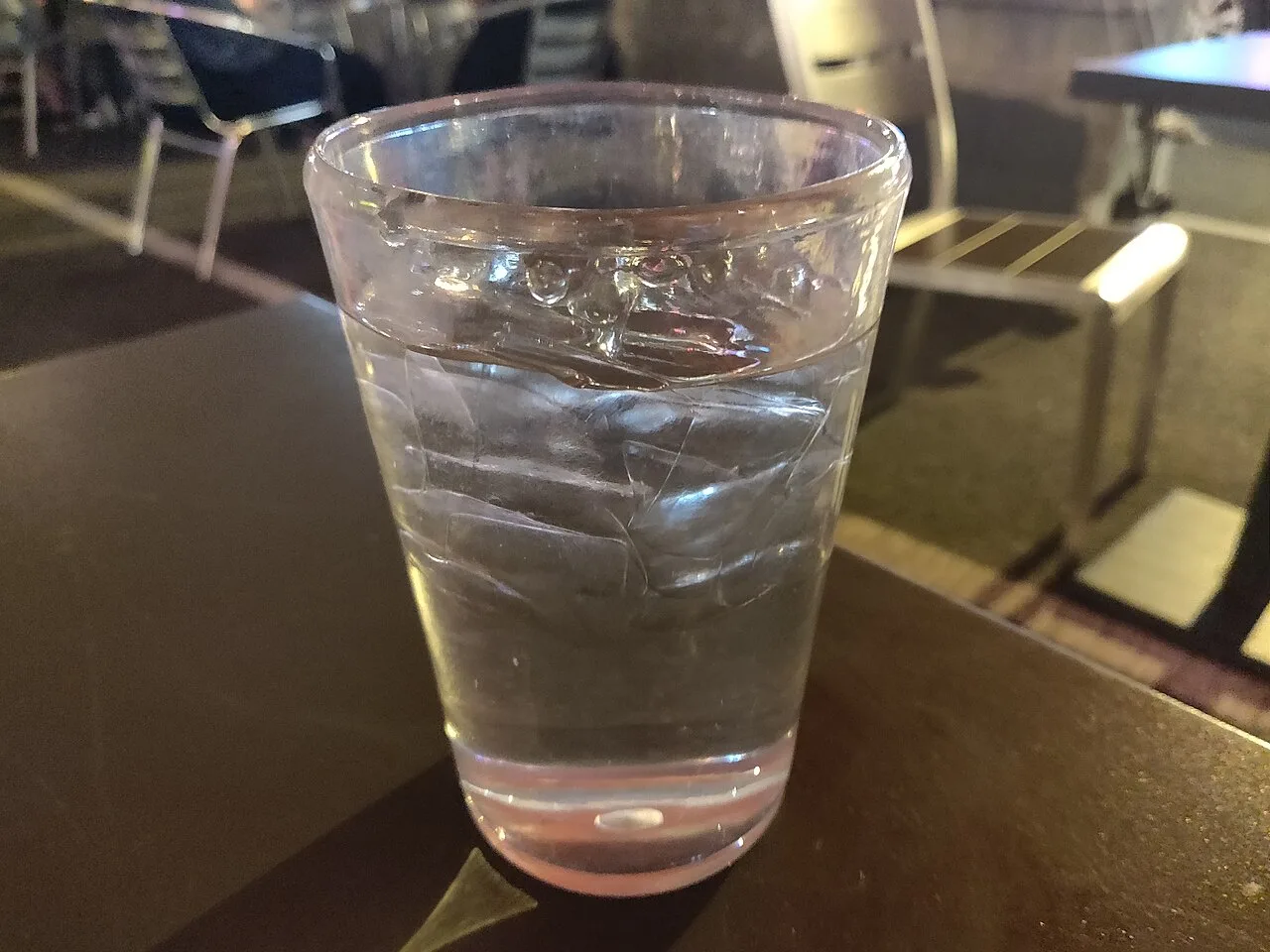
Drink at least eight glasses of water a day. Almost everyone has heard the rule, and many people carry a bottle around to make sure they hit the target. It sounds like basic health advice, but there is no scientific evidence behind it. The eight-glasses rule is a myth, built on a misunderstood recommendation from 1945. Verdict: False.
The myth
The claim is usually stated as the "8 x 8" rule: eight eight-ounce glasses of water a day, or about two litres. It is credited with keeping skin supple, flushing out toxins, curbing appetite and keeping organs healthy. But the number was never based on a study of how much water healthy people actually need.
Where the rule came from
The trail leads back to 1945, when the US Food and Nutrition Board recommended a daily water intake of about 2.5 litres for adults. What is generally forgotten is that the recommendation was not based on research, and that it stated most of this water could come from food. The food part was dropped as the advice spread, leaving only the headline number, which then hardened into the neat eight-glasses rule. As McGill University's Office for Science and Society puts it, the myth comes from a fundamental misunderstanding of some basic physiology.
What the research actually shows
In 2002, Heinz Valtin, a retired professor of physiology at Dartmouth Medical School who spent 45 years studying how the body keeps its water in balance, reviewed the evidence and found no scientific data to support the recommendation that healthy people drink large quantities of water. In 2008, Dan Negoianu and Stanley Goldfarb reviewed the evidence for the Journal of the American Society of Nephrology and reached a similar conclusion: "There is no clear evidence of benefit from drinking increased amounts of water." Scientific American, reporting on their work, noted that no studies show that drinking extra water curbs appetite or improves skin tone, two of the most common claims made for the rule.
The British Medical Journal went further. In a 2007 review of medical myths, Vreeman and Carroll rated the claim that you must drink eight glasses of water a day as the number one medical myth. The kidneys are built for exactly this job, matching water loss to water intake. As nephrologist John Saldarini of Atlantic Health System puts it, the blanket recommendation to drink eight glasses of water every day is not supported by strong data or rigorous academic studies, and for most people drinking that much only increases the amount of urine they excrete.
When you do need more water
None of this means water does not matter. The body loses roughly 1.5 to 2 litres of water a day through breathing, sweating and urination, and that water has to be replaced. But food supplies a large share of it, and other drinks count too: research has found that coffee, tea and soft drinks all contribute to daily fluid intake in healthy adults. The body's own signal works well. If you are thirsty, drink water. If you are not thirsty, you probably do not need to force down extra glasses.
There are exceptions. People with kidney stones or a tendency to urinary tract infections can benefit from drinking more water, and extra fluids are the most effective way to prevent kidney stone recurrence. On hot days, during strenuous exercise or when ill, water losses rise and drinking ahead of thirst is sensible. Drinking far more than the body needs is rarely dangerous, but overhydration can dilute blood sodium, a condition called hyponatremia.
The verdict
False. There is no scientific evidence that healthy people must drink eight glasses of water a day. The rule comes from a 1945 recommendation that was not based on research and that counted water from food. Thirst, food and other drinks cover most people's needs, with extra water only needed in heat, during exercise, when ill, or for specific medical reasons such as kidney stones.
Frequently Asked Questions
Is there any scientific evidence for drinking eight glasses of water a day?
No. Reviews by Heinz Valtin in 2002 and by Negoianu and Goldfarb in 2008 found no scientific evidence supporting the rule for healthy adults.
Where did the eight-glasses rule come from?
It traces back to a 1945 US Food and Nutrition Board recommendation of about 2.5 litres a day, which was not based on research and stated that most of the water could come from food. The food part was dropped as the advice spread.
How do I know if I am drinking enough water?
Thirst is the body's signal. If you are thirsty, drink water. People who exercise hard, spend time in heat, are ill, or have kidney stones need more, and should talk to a doctor about how much.
Read More: Myths and Facts: Coffee Does Not Dehydrate You, Studies Show
Read More: Myths and Facts: Vitamin C Does Not Prevent the Common Cold
Read More: Myths and Facts: Alcohol Does Not Kill Your Brain Cells
Read More: Myths and Facts: Sugar Does Not Make Children Hyperactive


Comments
Be the first to comment on this story.