


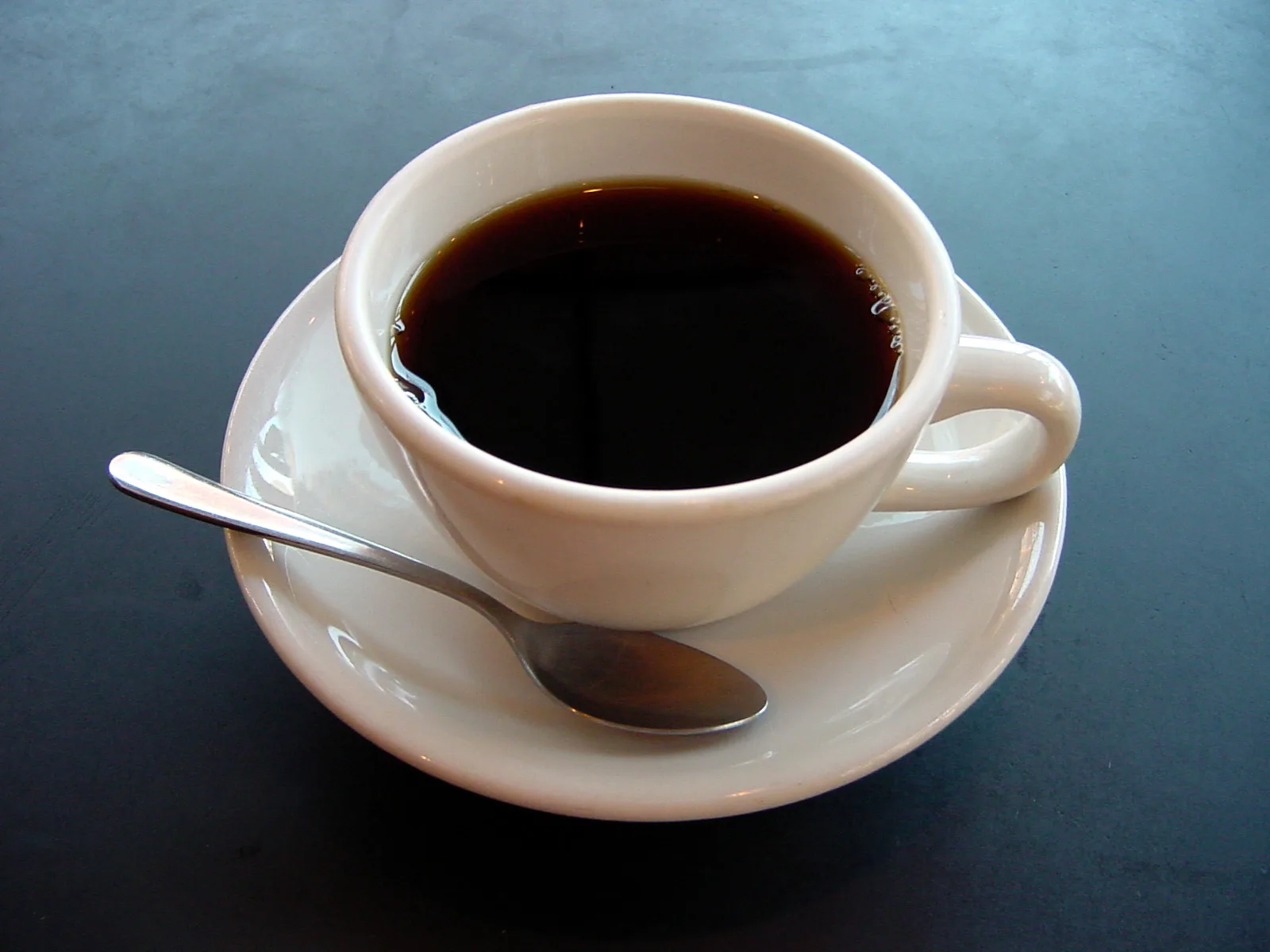
Coffee is often called dehydrating, and many people believe a cup of coffee cancels out a glass of water. The evidence says otherwise. Moderate coffee drinking hydrates the body about as well as water, and health authorities count coffee towards daily fluid intake. Verdict: False.
The myth
The claim is simple: coffee is a diuretic, so it makes you lose more water than it gives you. It is repeated in health advice, gyms and offices, usually with the warning to drink an extra glass of water for every cup of coffee. Caffeine does increase urine output in the short term, which is where the idea comes from. But the size of that effect, and what it means for the body's overall water balance, is a different question, and it is one that researchers have now tested directly.
What the evidence shows
The strongest direct test came from researchers at the University of Birmingham. In a study published in PLOS ONE in 2014, Sophie Killer and colleagues asked 50 men who habitually drank three to six cups of coffee a day to drink either four 200 ml cups of black coffee or the same amount of water each day for three days, then swap over after a break. They measured total body water, blood markers and 24-hour urine volume.
The result was clear: there were no significant differences in total body water, blood hydration markers, urine volume or urine concentration between the coffee days and the water days. The authors concluded that coffee, when consumed in moderation by people used to caffeine, provides similar hydrating qualities to water.
The US National Academies reached the same conclusion in its 2005 report on dietary water intake, stating that caffeinated beverages contribute to daily water intake and that the diuretic effect of caffeine does not cancel out the fluid in the drink.
- Four cups of coffee a day, 800 ml in total, hydrated as well as the same amount of water in the 2014 trial. - There was no difference in total body water or 24-hour urine volume between coffee and water. - Health bodies count tea and coffee towards daily fluid intake.
Where the myth comes from, and its limits
Caffeine in large doses is a mild diuretic, and people who rarely drink caffeine may notice they pass urine more often after a strong coffee. That short-term effect is real, but in regular drinkers the body adapts, and the water in the cup outweighs the extra urine. The evidence has limits: the 2014 trial studied healthy men who already drank coffee regularly, and it tested moderate intake, not very high doses. Health authorities generally regard up to about 400 mg of caffeine a day, roughly four cups of brewed coffee, as safe for most healthy adults. Very high caffeine intake can still cause jitters, poor sleep and a faster heartbeat, so moderation matters even if dehydration does not.
Frequently Asked Questions
Does coffee count towards my daily water intake?
Yes. The US National Academies and other health bodies count caffeinated drinks, including coffee and tea, towards daily fluid intake.
How much coffee is moderate?
In the 2014 PLOS ONE trial, four 200 ml cups a day hydrated as well as water. Health authorities generally regard up to about 400 mg of caffeine a day as safe for most healthy adults.
Does caffeine make you pass more urine?
In large doses, and in people not used to it, caffeine can briefly increase urine output. In regular coffee drinkers the effect is small, and the fluid in the coffee more than makes up for it.
Read More: Delhi's Air Turns Hazardous After Diwali, Capital Wrapped in Thick Smog
Read More: Toxic Gas Leak at Tata Electronics' iPhone Plant in Tamil Nadu's Hosur Kills Three Workers
Read More: Gold Prices Surge, Up Nearly Four Per Cent in November


Comments
Be the first to comment on this story.