


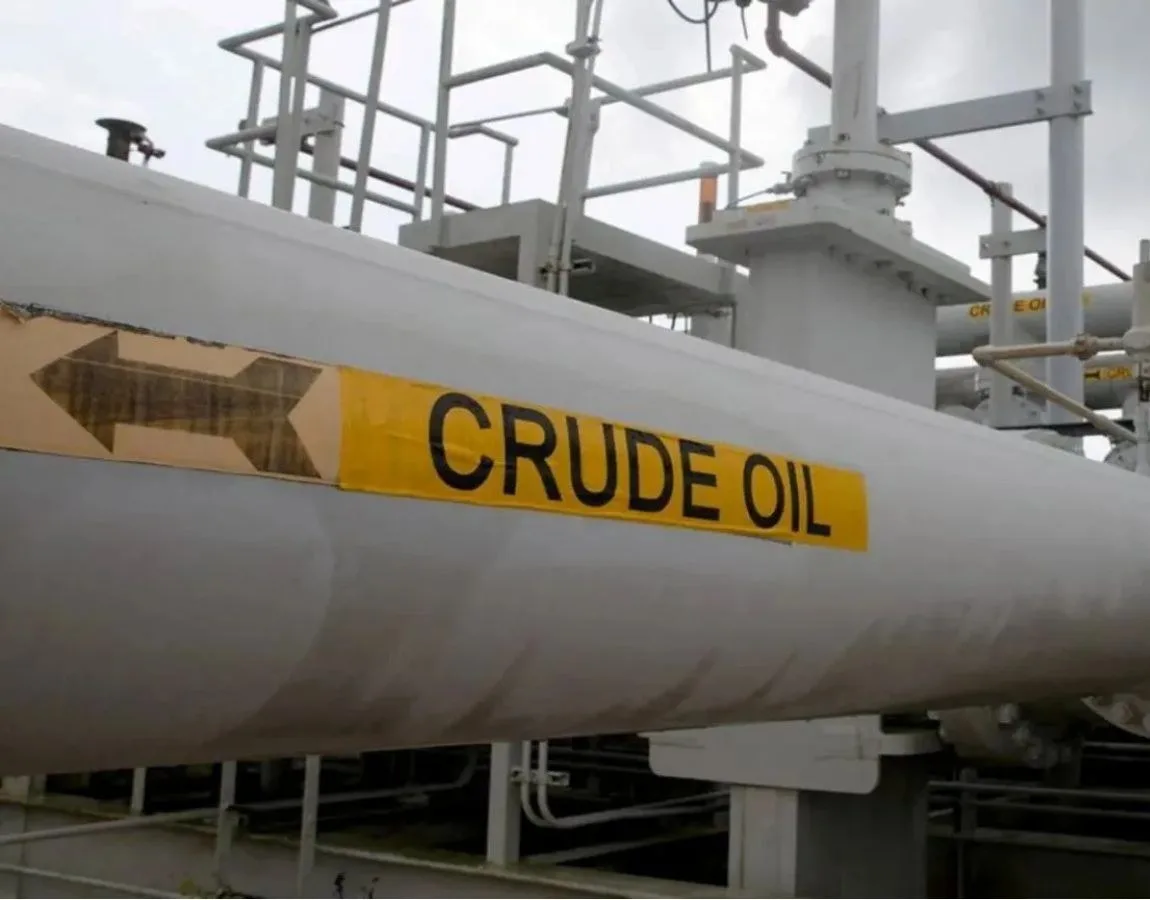
India's crude oil import bill jumped 53.5% in the first seven months of this financial year to $111 billion, even though the country bought only 2.7% more oil. The surge was driven almost entirely by price, not quantity, as the West Asia conflict pushed up crude rates and raised freight and insurance costs.
The numbers behind the surge
Provisional data from the Petroleum Planning and Analysis Cell (PPAC) of the Ministry of Petroleum and Natural Gas show crude oil imports in April-October rose 53.5% from a year earlier to $111 billion, while import volumes rose just 2.7% to 146.6 million tonnes, or about 1.08 billion barrels. That works out at an average landed price of about $103.30 a barrel, up from around $69 a barrel in the same period last year.
The April-October bill is already 88% of the import value for the whole of 2025-26, with five months of the current financial year still to go. In October alone, the oil import bill jumped 87.5% from a year earlier to $19.5 billion. The Indian crude oil basket averaged $114.48 a barrel in April and $106.20 in May, eased to between $82 and $90.20 through June-August, then climbed to $116.10 in September and $119.90 in October.
Why prices rose so sharply
The West Asia war, which broke out in late February, and the resulting Strait of Hormuz crisis are at the centre of the surge. Before the war, about 40% of India's crude oil imports, 60% of its liquefied natural gas (LNG) imports and 90% of its liquefied petroleum gas (LPG) imports came from the Persian Gulf through the strait.
Supply tightness has eased since the first months of the war, but prices stay elevated and volatile, with freight and insurance costs high because of war risk premiums. Prices moderated slightly in June-August, then jumped again in September-October as hostilities renewed and freight costs soared.
India has kept buying oil and gas at these high rates because it has put supply security ahead of price. The country imports more than 88% of its crude oil and about half of its natural gas, which arrives as LNG, and fuel demand is largely inelastic.
Gas and fuel trade moved the same way
LNG supplies rose 7.4% to 22,175 million standard cubic metres in April-October, but the LNG import bill rose 35.8% to $11 billion as prices spiked. Imports of petroleum products almost halved in volume to 15.1 million tonnes from 29.8 million tonnes, as the war hit supplies of products India imports, such as LPG. In value terms the fall was smaller, down 25% to $9.9 billion, because international prices were so high.
Product exports fell 13.5% in volume to 32.1 million tonnes as domestic supplies took precedence, yet their value surged 47% to $34.1 billion. India remains a net exporter of petroleum products thanks to its large refining capacity. Taking all oil, LNG and petroleum product imports and fuel exports together, net oil and gas imports rose 39% from a year earlier to $97.7 billion.
What it means for India
Energy imports are a major part of India's overall imports, so a sharp rise hits the trade balance, the current account, inflation and the rupee. Wholesale fuel and power inflation was 32.8% in October, 25.9% in September and 23.2% in August, according to government data.
India imports 1.8 to 2 billion barrels of oil a year, and every $1 rise in the price of a barrel adds up to $2 billion to the annual import bill. A March report by Nomura named India among the three Asian economies most vulnerable to high oil prices, and said every 10% increase in the oil price typically widens the current account deficit by 0.4% of GDP. Crude oil alone is the country's largest merchandise import.
Diversified sourcing has kept petrol, diesel and jet fuel available, though some gas supplies to industry and commercial users were rationed early in the conflict to protect households and priority sectors.
Frequently Asked Questions
Why did India's oil import bill rise so much when volumes barely grew?
Because prices rose sharply. The average landed price of imported crude was about $103.30 a barrel in April-October, up from around $69 a year earlier, while volumes rose only 2.7%.
What role does the Strait of Hormuz play?
Before the West Asia war, about 40% of India's crude oil imports, 60% of its LNG imports and 90% of its LPG imports came from the Persian Gulf through the strait, so disruption there raises freight, insurance and prices.
How does a higher oil bill affect ordinary people?
It feeds into the trade deficit and inflation. Wholesale fuel and power inflation reached 32.8% in October, and higher import costs can also put pressure on the rupee.
Read More: IMF Raises India's Growth Forecast to Around Seven Per Cent
Read More: Sensex, Nifty Rally Sharply on Heavy Foreign Investor Buying
Read More: RBI May Raise Repo Rate Again in December, Banks Hike FD Rates


Comments
Be the first to comment on this story.