


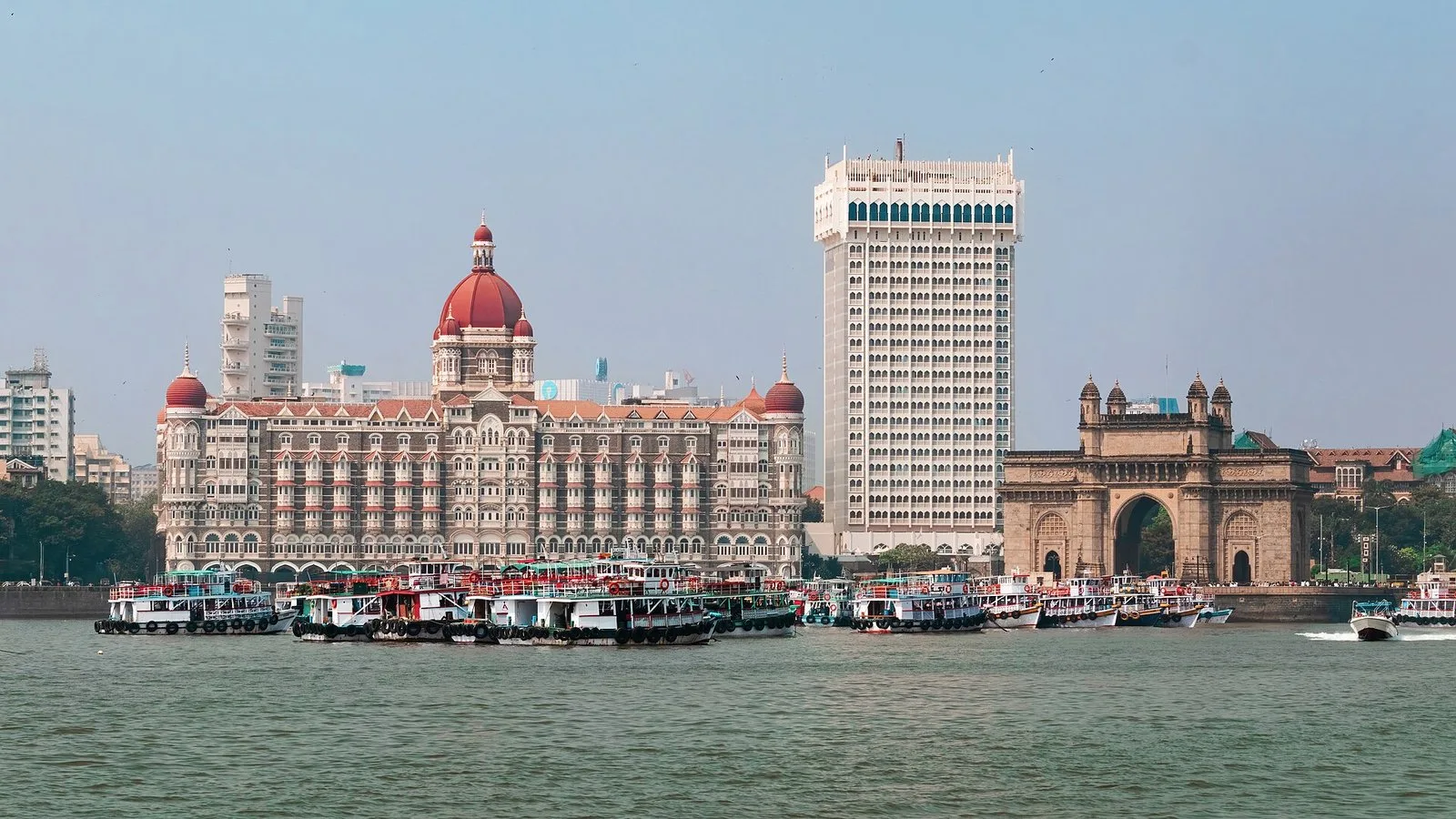
Eighteen years after ten gunmen brought Mumbai to a standstill for 60 hours, the city marks the anniversary of the 26/11 attacks on Thursday, 26 November 2026. The trial of the handler who guided the attackers is under way in Mumbai, a second accused faces charges in Delhi, and six men named as the masterminds remain beyond the reach of Indian courts.
What happened on 26 November 2008?
On the night of 26 November 2008, ten heavily armed terrorists of the Pakistan based Lashkar-e-Taiba entered Mumbai by sea. They had hijacked an Indian fishing boat, killed its crew, and slipped ashore in an inflatable dinghy before spreading out across south Mumbai.
Over the next 60 hours they struck six targets: Chhatrapati Shivaji Maharaj Terminus, the Taj Mahal Palace hotel, the Oberoi-Trident hotel, Nariman House, Leopold Cafe, and Cama and Albless Hospital. The siege ended on the morning of 29 November, when commandos cleared the Taj Mahal Palace. By then 166 people had been killed, including 18 security personnel and 26 foreign nationals, and more than 300 people had been injured.
Who were the attackers?
Nine of the ten gunmen were killed by security forces during the operation. The tenth, Mohammed Ajmal Kasab, was captured alive at Girgaum Chowpatty. Assistant Sub Inspector Tukaram Omble held on to Kasab's rifle as he was shot, allowing other policemen to overpower and arrest Kasab. Omble died of his wounds.
The investigation established that the attackers had been trained in Pakistan and were guided through the operation by handlers speaking to them over satellite phones. The handlers included Zabiuddin Ansari, known as Abu Jundal, who had taught the attackers Hindi and briefed them on Mumbai.
What happened to the men who carried out the attacks?
Kasab was tried in a special court in Mumbai, convicted in May 2010 and sentenced to death on 6 May 2010. The Supreme Court upheld the sentence in August 2012, and Kasab was hanged at Yerwada jail in Pune on 21 November 2012, five days before the fourth anniversary of the attacks.
Tahawwur Hussain Rana, accused of helping plan the attacks by arranging reconnaissance, was extradited from the United States and arrested by the National Investigation Agency on 10 April 2025. The agency filed a chargesheet against him on 9 July 2025. His case is now before a special NIA court in Delhi, which is hearing arguments on the framing of charges. The court has given the agency two weeks to supply Rana with a list of documents not relied on in the chargesheet, and has listed the next hearing for 18 December 2026. Rana is lodged in Tihar Jail.
Where does the trial stand 18 years on?
The trial against Abu Jundal is under way in a special court in Mumbai. It had been on hold since 2018, when government authorities filed a petition over the furnishing of certain documents to the accused, and resumed in November 2025 after the Bombay High Court cleared the way.
In a separate development, the Maharashtra government issued an order on 16 November 2026 placing Force One, the commando unit raised after the 2008 attacks, under the administrative and operational control of the state Anti-Terrorism Squad.
On 25 November 2026, the Ministry of Home Affairs announced that the National Security Guard would hold a remembrance and pledge ceremony at the Gateway of India under the banner NEVEREVER, as part of the 18th anniversary commemorations.
Why are six accused still beyond reach?
In July 2026, a special court in Mumbai issued proclamation orders against six absconding accused: Lashkar-e-Taiba chief Hafiz Saeed, its operational commander Zaki-ur-Rehman Lakhvi, Sajid Mir, Abu Alqama, Asim alias Abu Qahafa, and Major Abdur Rehman Pasha. All six are believed to be in Pakistan.
Four months on, the orders remain unserved. In August and September, the prosecution told the court it had asked the Ministry of Home Affairs to serve the orders through Interpol. The ministry has not yet responded to the request, Special Public Prosecutor Ujjwal Nikam told the court, adding that there has been no development in executing the orders. Nikam said the prosecution would ensure the perpetrators are punished on Indian soil.
The prosecution has argued that the absence of the accused need not hold up proceedings. Section 356 of the Bharatiya Nagarik Suraksha Sanhita, 2023, permits criminal trials in absentia against absconding proclaimed offenders, even where arrest does not appear imminent. The trial against the six can therefore begin without them being in custody.
What changed after 26/11?
The attacks exposed gaps in coastal security, intelligence sharing and the speed of response. In the years that followed, India created the National Investigation Agency in December 2008, set up National Security Guard hubs in Mumbai and other cities, strengthened coastal policing, and raised Force One as a dedicated Mumbai counter terror unit.
Eighteen years on, the central question remains unanswered: whether those accused of ordering the attacks will ever stand trial in India. The commemoration ceremonies, the trials in Mumbai and Delhi, and the unserved proclamation orders are all part of the same unfinished account.
Frequently Asked Questions
What happened during the 26/11 Mumbai attacks?
Ten Lashkar-e-Taiba gunmen entered Mumbai by sea on the night of 26 November 2008 and attacked six targets, including Chhatrapati Shivaji Maharaj Terminus and the Taj Mahal Palace hotel, over 60 hours. The attacks killed 166 people and injured more than 300.
Who has been punished for the 26/11 attacks?
Ajmal Kasab, the only attacker captured alive, was convicted in May 2010 and hanged on 21 November 2012. Tahawwur Rana, accused of helping plan the attacks, was extradited from the United States in April 2025 and faces trial in Delhi. The trial of handler Abu Jundal is under way in Mumbai.
Why have Hafiz Saeed and the other accused not faced trial in India?
A Mumbai special court issued proclamation orders against six absconding accused, including Hafiz Saeed and Zaki-ur-Rehman Lakhvi, in July 2026, but the orders remain unserved because the accused are believed to be in Pakistan. The prosecution has asked the Ministry of Home Affairs to serve them through Interpol, and Section 356 of the Bharatiya Nagarik Suraksha Sanhita, 2023, allows their trial to proceed in absentia.
Read More: Explained: Ravi Hanj Book Row Over Basavanna, Four FIRs and a Red Corner Notice
Read More: Explained: New US Tariffs, Why India Has an Edge Over ASEAN and at What Cost
Read More: Explained: Constitution Day, Why November 26 Is Samvidhan Divas
Read More: Explained: Ganga Water Treaty Ends December 12, What Happens Next
Comments
Be the first to comment on this story.