


Feeling cold? Have a drink, it will warm you right up. It is advice handed out in winter for generations, and it feels true the moment the drink goes down. A flush spreads across the face, the cold seems to loosen its grip, and for a few minutes the night feels easier. Doctors say the feeling is a trick. Alcohol does not warm the body up. It does the opposite, pulling heat away from the core and leaving the drinker colder than before, and more likely to get into trouble. Verdict: False.
Where the myth comes from
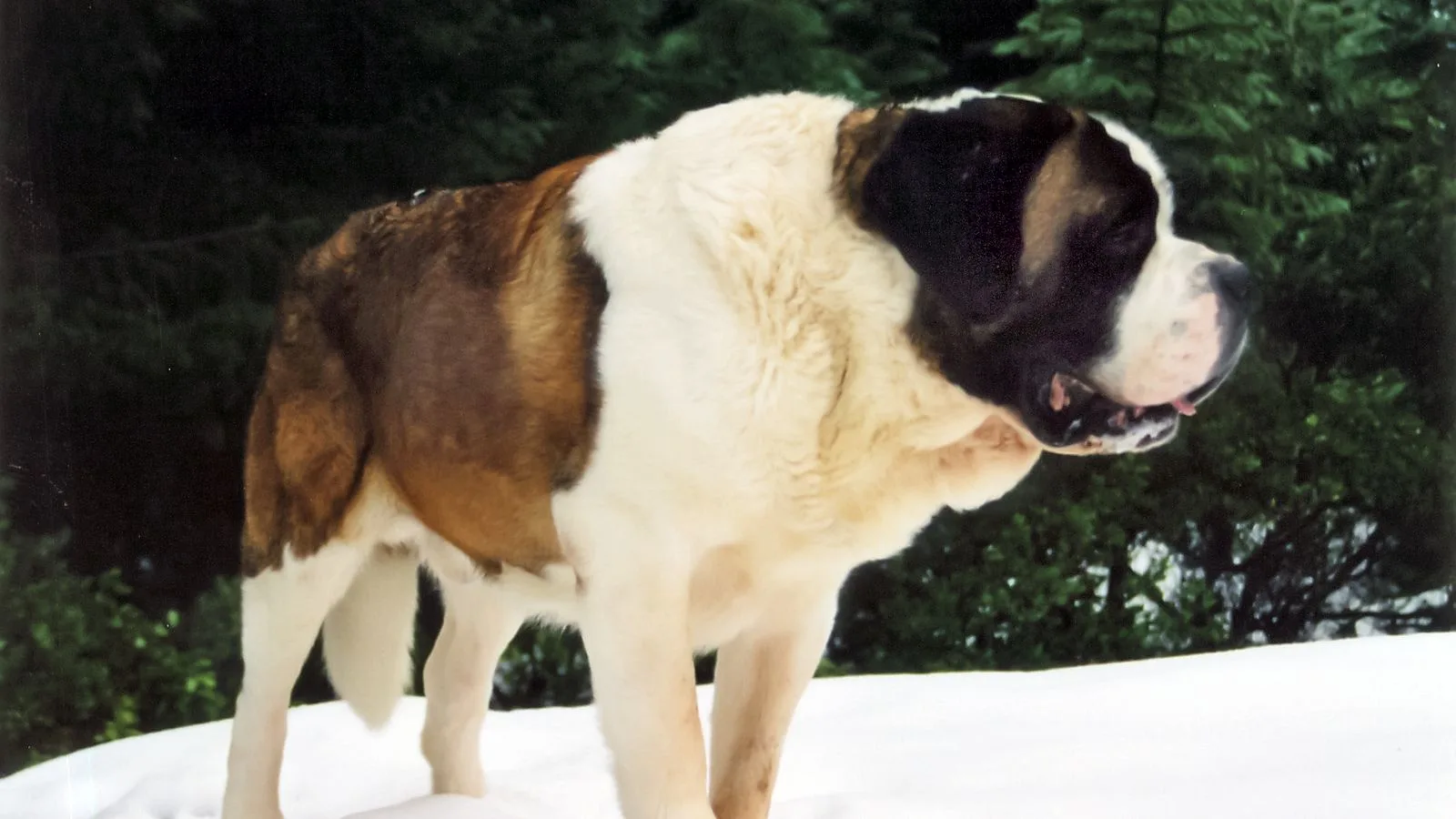
The image that fixed this idea in the public mind is a St Bernard rescue dog in the Alps with a small barrel of brandy hanging from its collar, ready to revive a traveller buried in the snow. The picture is famous, but the barrel never existed. The American Kennel Club and Britannica both record that the image comes from a painting, Alpine Mastiffs Reanimating a Distressed Traveller, painted in 1820 by the teenage British artist Edwin Landseer. Landseer invented the little cask as a detail for his picture, and the image stuck.
The real rescue dogs of the Great St Bernard Pass, where monks of the hospice founded by Bernard of Menthon around 1050 sheltered travellers crossing the Alps, never carried brandy. The most famous of them, Barry, is credited with saving more than 40 lives. The hospice monks understood something the painting ignored: alcohol is bad medicine for a person suffering from hypothermia. The myth survived because the warm feeling after a drink is real. What is false is the idea that the warmth means the body is warmer.
What alcohol actually does to the body
Alcohol widens the blood vessels near the skin, a process called vasodilation. More blood flows close to the surface, which is why the cheeks flush and the skin feels warm. But that blood is being pulled away from the core, the heart, the vital organs and the brain, and the heat it carries escapes into the cold air. The body feels warmer while it is actually getting colder.
Dr Thomas Waters, an emergency medicine specialist at the Cleveland Clinic, puts it plainly. He says alcohol and exposure to cold is a dangerous combination, and that drinking in the cold turns on the radiator and sends heat out into the environment. A person may feel warm, he says, but it creates a dangerous situation. The increased blood flow near the skin can hold off frostbite in the fingers for a while, but the price is a falling core temperature.
Alcohol also interferes with the brain's thermostat, the hypothalamus, making it harder to sense the cold and to adjust blood flow. On top of that, alcohol is a diuretic, so the drinker loses more fluid, and cold air already dehydrates the body. Less blood volume means slower circulation and less heat reaching vital tissues.
Why the false warmth is dangerous
The danger is that the false warmth changes behaviour. Feeling warm, a person may take off a jacket, sweater or gloves in the cold, which speeds up heat loss. Judgement also suffers. A study cited in a fact check by The Week warned that alcohol gives a feeling of bravery and influences judgement, and that it can push someone to walk home through a snowstorm instead of taking a taxi or a lift. The same study noted that alcohol is a dominant cause of death in urban hypothermia, and that during longer exposure to cold, especially with strenuous exercise, alcohol has been shown to enhance heat loss.
Getting wet makes it worse. Dr Waters warns that a person who gets wet loses heat 25 times faster than when dry. For people with heart problems the risk is higher still, because alcohol can raise the heart rate, increase the risk of arrhythmias and mask other cardiovascular symptoms. Dr Robert Lichfield, a family practice specialist at Providence Health and Services in Spokane, told USA TODAY in 2023 that alcohol dulls our sensations and can be pretty dangerous in the wintertime. Dr Kevin Watkins of Cleveland Clinic Akron General added that when temperatures are very low, hypothermia is not out of the question, and that alcohol may make a person feel warmer but actually accelerates heat loss.
What warms you up for real
Real warmth comes from the outside in, not from a drink. Layers of dry clothing trap body heat, shelter and wind protection stop it escaping, and food and movement help the body generate more of it. A hot drink works the way alcohol only pretends to: the warmth is real and stays in the body. As The Weather Network notes, if a quick warm up is needed on a cold day, a hot drink like coffee or cocoa will do the job for real.
Verdict: False
Drinking alcohol does not warm you up in cold weather. The warm flush is blood moving to the skin and heat leaving the body, and core temperature falls as a result. Doctors warn the combination is dangerous, raising the risk of hypothermia, frostbite and poor decisions in the cold. Even the famous St Bernard barrel is a myth: the rescue dogs never carried brandy, because the monks who kept them knew it would do a freezing traveller more harm than good. The myth is false.
Frequently Asked Questions
Does alcohol raise your body temperature in the cold?
No. Alcohol widens blood vessels near the skin, which creates a feeling of warmth, but it pulls heat away from the core and core temperature falls. Doctors say it accelerates heat loss and raises the risk of hypothermia.
Why do I feel warm after drinking alcohol?
The warmth comes from vasodilation. Alcohol sends more blood to the skin's surface, so the cheeks flush and the skin feels hot. The feeling is real, but it is heat escaping from the body, not extra heat being made.
Did St Bernard rescue dogs really carry brandy barrels?
No. The barrel comes from Edwin Landseer's 1820 painting Alpine Mastiffs Reanimating a Distressed Traveller. The rescue dogs of the Great St Bernard Pass never carried brandy, and the hospice monks knew alcohol was bad medicine for hypothermia victims.
Read More: Myths and Facts: Cold Weather Does Not Cause Colds
Read More: Myths and Facts: Hair of the Dog Does Not Cure a Hangover
Read More: Myths and Facts: A Glass of Red Wine Is Not Good for Your Heart
Read More: Myths and Facts: Coffee Does Not Dehydrate You, Studies Show

Comments
Be the first to comment on this story.