


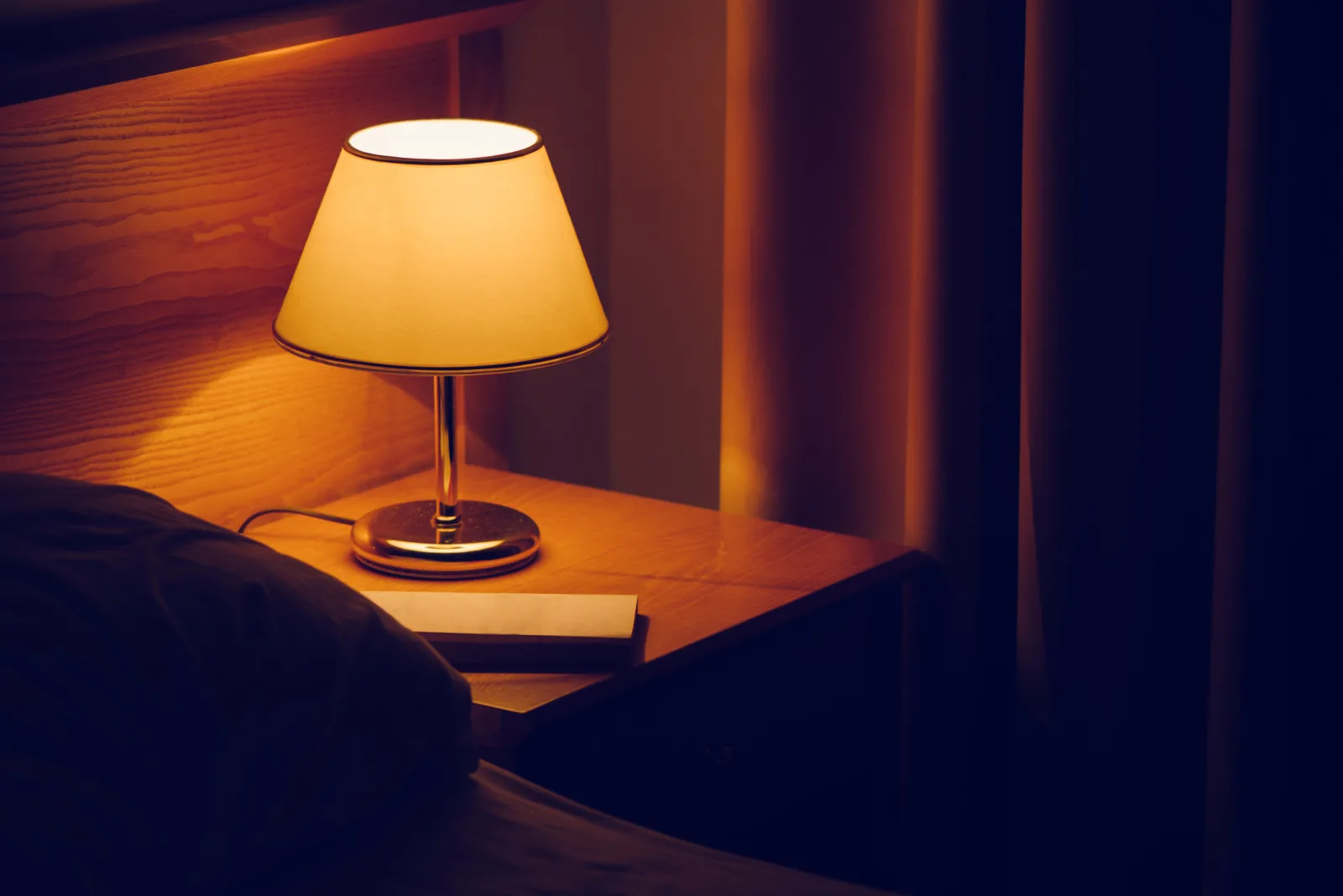
Parents have warned children for generations that reading in dim light will ruin their eyesight. The evidence says otherwise. Reading in poor light can make the eyes feel tired and dry, but experts say there is no evidence that it causes lasting damage to vision. Verdict: False.
The myth
The claim is simple: reading with too little light strains the eyes so much that it weakens them or damages eyesight over time. It is one of the oldest health warnings in the book, usually aimed at children reading under the covers with a torch after bedtime. In 2007, researchers Rachel Vreeman and Aaron Carroll named it as one of seven medical myths that even doctors are likely to believe, in a study published in the British Medical Journal.
What the evidence shows
The American Academy of Ophthalmology states clearly that reading in dim light will not damage the eyes, though it can make them feel more tired and strained. Dr Richard Gans, an ophthalmologist with the Cleveland Clinic Cole Eye Institute, put it plainly to WebMD: "There is no scientific evidence that reading in the dark does any long-term harm to your eyes." He added that the same answer applies to sitting too close to the television. Dr Gabriel Hulewsky, an optometrist at the University of Utah's John A. Moran Eye Center, gave the same verdict: "While more light can be helpful, reading in dim light will not hurt your eyes."
Why dim light still feels uncomfortable
The tired feeling is real, even if the damage is not. In dim light the pupil widens to let in more light, while the muscles inside the eye must also work to keep small print in focus. Those two jobs pull in opposite directions, so the eyes strain to hold the text sharp. People also blink less often when they concentrate, which dries the surface of the eyes.
- The focusing muscles work harder, which can leave the eyes feeling sore, heavy or tired. - Blinking less often dries the eyes, which can make them feel gritty or itchy. - Vision can blur briefly, a symptom that can look like short-sightedness.
None of this injures the structures of the eye. The strain is temporary and clears once the eyes rest or the lighting improves.
What actually affects eyesight
If dim light does not harm vision, what does? The lasting change people worry about is myopia, or short-sightedness, which is rising sharply in children around the world. The evidence links it to how much close-up work children do and how little time they spend outdoors in bright daylight, not to the brightness of a reading lamp. A systematic review of 27 studies covering 25,025 children aged six to 18 found that more near-work time was associated with higher odds of myopia. It is the close focus itself, not the dimness, that matters.
How to read more comfortably
Good lighting is still worth having, for comfort if not for safety. Aim a lamp directly at the page rather than over your shoulder, and take a break every 15 to 30 minutes during a long session. If your eyes feel dry, over-the-counter lubricating drops can help. See an eye doctor if the strain is severe, lasts a long time, or if you notice any change in your vision.
Frequently Asked Questions
Does reading in dim light damage your eyesight?
No. The American Academy of Ophthalmology and the Cleveland Clinic both say there is no scientific evidence that reading in dim light causes lasting harm to the eyes or to vision.
Why do my eyes feel tired after reading in low light?
Dim light makes the focusing muscles work harder, and concentrating on a book makes you blink less, which dries the eyes. The tired, sore feeling is real but temporary, and it clears with rest and better light.
Should children stop reading in dim light?
No. Paediatricians say reading in low light is an old wives' tale and does not damage a child's eyes. Better lighting will make reading more comfortable, and regular breaks help, but there is no need to stop a child from reading.
Read More: Myths and Facts: Coffee Does Not Dehydrate You, Studies Show
Read More: Myths and Facts: Bats Are Not Blind, They Can See Well
Read More: Explained: Cyclone Akvan and Why It Weakened Before Landfall
Read More: Fact Check: No New Cheque Book Rules From January 2027, RBI Says


Comments
Be the first to comment on this story.