


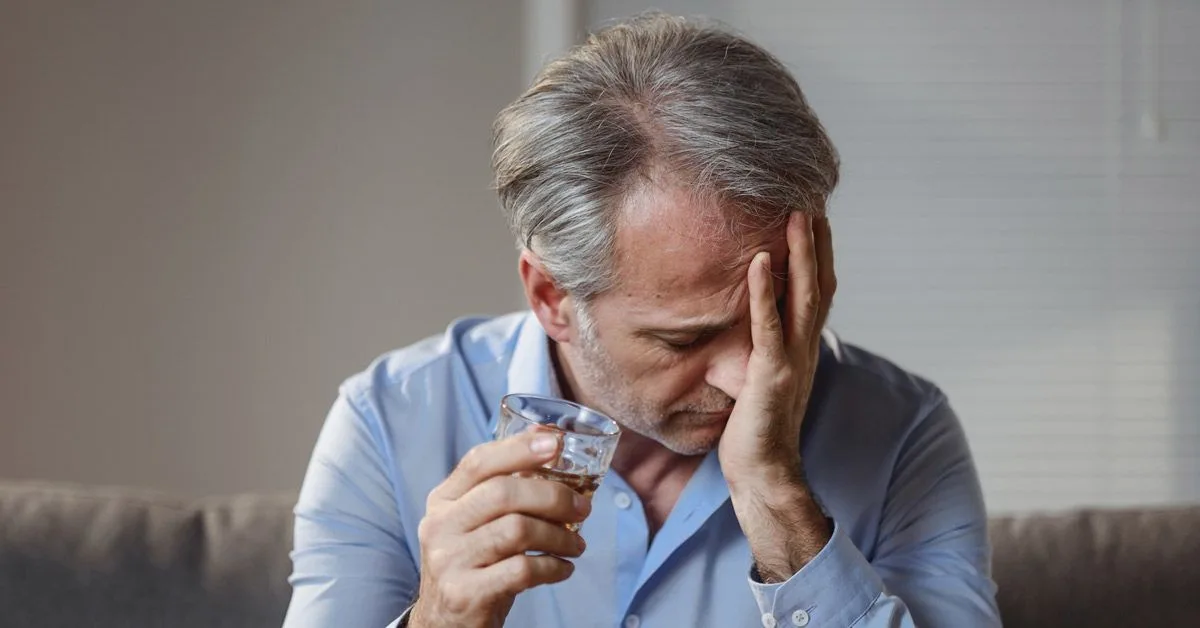
Woke up with a hangover? Have another drink. That is the advice behind "hair of the dog", one of the oldest drinking remedies in the world. It is also false. A morning drink does not cure a hangover. At best it postpones one, and it adds more alcohol for your body to clear.
The myth
The full phrase is "hair of the dog that bit you", and it comes from a medieval folk remedy for rabies: placing hairs from the dog that bit you onto the bite wound. It did not work for rabies, and the drinking version does not work either. The phrase first appeared in print in 1546, and the idea behind it is simple: the thing that caused the ailment can also cure it.
The practice is common. Healthline reports that 11 percent of social drinkers say they have consumed alcohol to get rid of a hangover at least once in the last year. Many of them will tell you it works, because for an hour or two, it feels like it does.
Why it feels like it works
A hangover develops when a high blood alcohol level falls sharply after drinking stops. Drinking more alcohol pushes the level back up, so the symptoms fade. But when you eventually stop drinking and the level returns to zero, the hangover comes back. In that sense, hair of the dog can delay a hangover, but it cannot prevent it.
There are two other reasons it feels like a cure. Alcohol temporarily raises endorphin levels, which can mask uncomfortable symptoms, but endorphin levels drop again during alcohol withdrawal, and the symptoms return. Drinks also contain small amounts of chemicals called congeners, formed during fermentation, which are thought to add to hangover severity. Since alcohol and methanol are broken down by the same mechanism in the body, drinking more alcohol can slow the conversion of methanol into toxic compounds. Again, the relief is temporary: the methanol still has to be dealt with.
Dr Robert Swift, a professor of psychiatry at Brown University, explains the brain side of it. Once the calming effects of alcohol pass, the brain in a hangover is overstimulated, which is also why people wake in the middle of the night once the alcohol is metabolised. Drinking more alcohol normalises the brain again, because you are adding a sedative to an excited brain. The calm lasts only as long as the drink does.
What the evidence says
Laura Veach, director of screening and counselling intervention services at Wake Forest Baptist Medical Center, puts it plainly: there is no scientific evidence that having an alcoholic drink will cure a hangover. It will, at best, postpone one. The liver detoxifies alcohol at only one rate, about one drink per hour, and nothing known can speed that process up.
The wider evidence agrees. A 2005 systematic review in the BMJ looked at every randomised trial it could find and concluded that no compelling evidence exists that any conventional or complementary intervention prevents or treats a hangover. A 2022 review in the journal Addiction covered 21 placebo controlled trials with 386 people and reached the same conclusion. The National Institute on Alcohol Abuse and Alcoholism states that no remedy has been scientifically proven to cure a hangover, and that the only real cure is time.
The risks of trying it
Hair of the dog does more than waste a morning. It keeps alcohol in the system and pushes the reckoning later, which can turn a bad morning into another drinking window. It also restarts impairment, so driving, work or anything needing judgement is off the table again.
There is a specific danger with painkillers too. The National Institute on Alcohol Abuse and Alcoholism cautions that combining alcohol with acetaminophen can be toxic to the liver, and that aspirin and ibuprofen can increase acid release and irritate the stomach lining. Rest, hydration and food ease the symptoms, but they do not clear the alcohol any faster. If a morning drink becomes the only thing that makes the morning manageable, that pattern is a reason to talk to a clinician.
The verdict
Hair of the dog does not cure a hangover. The claim is false. A morning drink can dull the symptoms for a short while by raising blood alcohol, boosting endorphins and slowing the creation of toxic compounds, but it adds more alcohol for the body to clear and the hangover returns when the alcohol runs out. The only proven cure is time, at about one drink per hour.
Frequently Asked Questions
Does hair of the dog work for a hangover?
No. A morning drink may dull symptoms briefly, but it only delays the hangover. When blood alcohol returns to zero, the symptoms come back, and the body still has more alcohol to clear.
What actually cures a hangover?
Nothing except time. The liver clears about one drink per hour, and no remedy has been scientifically proven to speed that up. Rest, water and food can ease the symptoms while you wait.
Is hair of the dog dangerous?
It can be. It prolongs the hangover, restarts impairment, and can turn one bad morning into another drinking window. Mixing alcohol with acetaminophen can also be toxic to the liver.
Read More: Myths and Facts: Mobile Phones Do Not Cause Cancer, Studies Show
Read More: Goldfish Memory Myth: They Remember for Months, Not Seconds
Read More: Myths and Facts: Coffee Does Not Dehydrate You, Studies Show
Read More: Myths and Facts: Vitamin C Does Not Prevent the Common Cold

Comments
Be the first to comment on this story.