


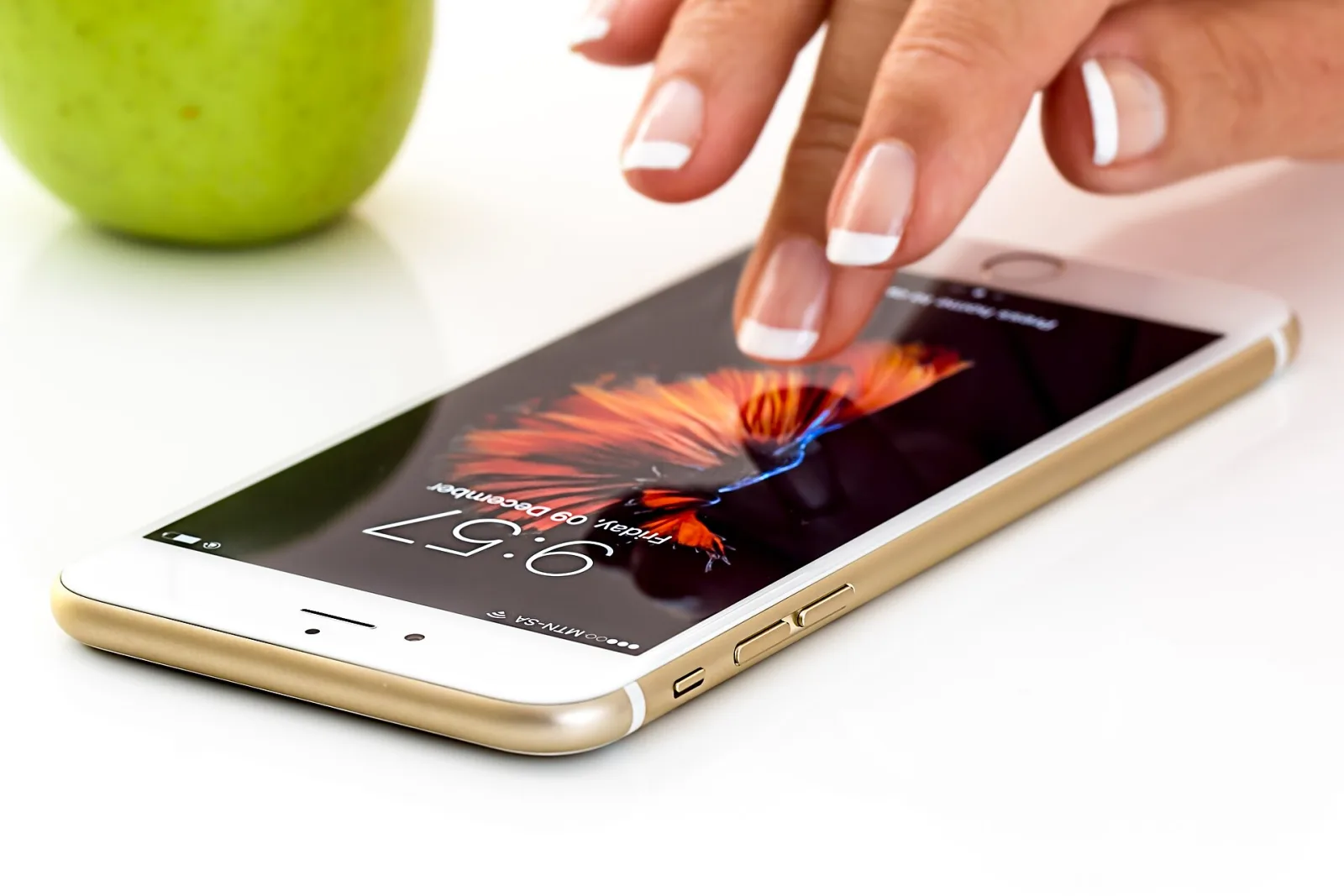
Mobile phones cause cancer. The claim has followed the devices since they became common, and it refuses to die. But after decades of research, the evidence points the other way. The verdict is clear: mobile phones do not cause cancer, and the radiation they emit is too weak to damage DNA.
What the myth claims
The worry starts with a real fact. Mobile phones emit radiation, in the form of radiofrequency radiation, or radio waves. Second, third and fourth generation phones use frequencies of 0.7 to 2.7 gigahertz, and fifth generation phones are expected to use frequencies up to 80 gigahertz. Because the word radiation sounds dangerous, many people assume that holding a phone to your head must carry a cancer risk.
The concern grew in 2011, when the International Agency for Research on Cancer, part of the World Health Organization, classified radiofrequency fields as possibly carcinogenic to humans. That classification is often quoted as proof that phones cause cancer. It is not. It means a possible link could not be ruled out on the evidence available at the time, not that a link was found.
Why the radiation cannot cause cancer the way the myth says
The key point is the type of radiation involved. The radiofrequency radiation from a mobile phone is nonionizing. It is low frequency and low energy, and its energy is too low to damage DNA. Cancer begins with damage to DNA, so a form of radiation that cannot damage DNA cannot start that process.
Ionizing radiation is different. X-rays, radon and cosmic rays are high frequency and high energy, and their energy can damage DNA. That damage can cause changes to genes that may increase the risk of cancer. Mobile phone radiation sits on the other side of that line.
The only consistently recognized biological effect of absorbing radiofrequency radiation is heating of the area where the phone is held, for example the ear and head. That heating is not enough to measurably increase body temperature. The National Cancer Institute states that there are no other clearly established dangerous health effects on the human body from radiofrequency radiation.
What the big studies found
Researchers have tested the claim in several ways, and the results point the same way. The largest study of its kind, the Interphone study, was a case-control study across 13 countries looking at mobile phone use and tumours of the head and neck. Most published analyses from the study showed no increase in brain tumours, glioma and meningioma, linked to higher amounts of mobile phone use.
Studies of whole populations tell the same story. Researchers have tracked whether brain and other central nervous system cancers have become more common during the decades when mobile phone use rose dramatically. They have not. In the United States, the National Cancer Institute notes that the number of new cases of brain and central nervous system cancers diagnosed each year has stayed largely unchanged while mobile phone use has grown enormously.
Animal studies back this up too. Radiofrequency energy has not been found to cause cancer in animals, or to increase the cancer-causing effects of known chemical carcinogens in animals. Summing up the evidence, the National Cancer Institute states that the evidence to date suggests that cell phone use does not cause brain or other kinds of cancer in humans.
The verdict
Mobile phones do not cause cancer. The radiation they emit is nonionizing and too weak to damage DNA, the largest human studies have found no link with brain tumours, and cancer rates have not risen as phone use exploded. The 2011 classification that is often quoted as proof means only that a link could not be ruled out, not that one exists.
That does not mean phones are risk free. The most convincing evidence of harm from mobile phones concerns the risk of road accidents when people use a phone while driving. That is the danger worth worrying about, not cancer.
Frequently Asked Questions
Do mobile phones emit radiation?
Yes. Mobile phones emit radiofrequency radiation, a form of nonionizing radiation. Second, third and fourth generation phones use 0.7 to 2.7 gigahertz, and fifth generation phones are expected to use frequencies up to 80 gigahertz.
Can the radiation from a mobile phone damage DNA?
No. Radiofrequency radiation is low energy and too weak to damage DNA. Only ionizing radiation, such as X-rays, radon and cosmic rays, carries enough energy to damage DNA.
What did the largest study of phones and cancer find?
The Interphone study, a case-control study across 13 countries, found no increase in brain tumours, glioma and meningioma, linked to higher amounts of mobile phone use in most of its published analyses.
Read More: Myths and Facts: The Blood Type Diet Does Not Work
Read More: Myths and Facts: Coffee Does Not Dehydrate You, Studies Show
Read More: Myths and Facts: Vitamin C Does Not Prevent the Common Cold
Read More: Myths and Facts: We Use All of Our Brain, Not Just 10 Percent



Comments
Be the first to comment on this story.