


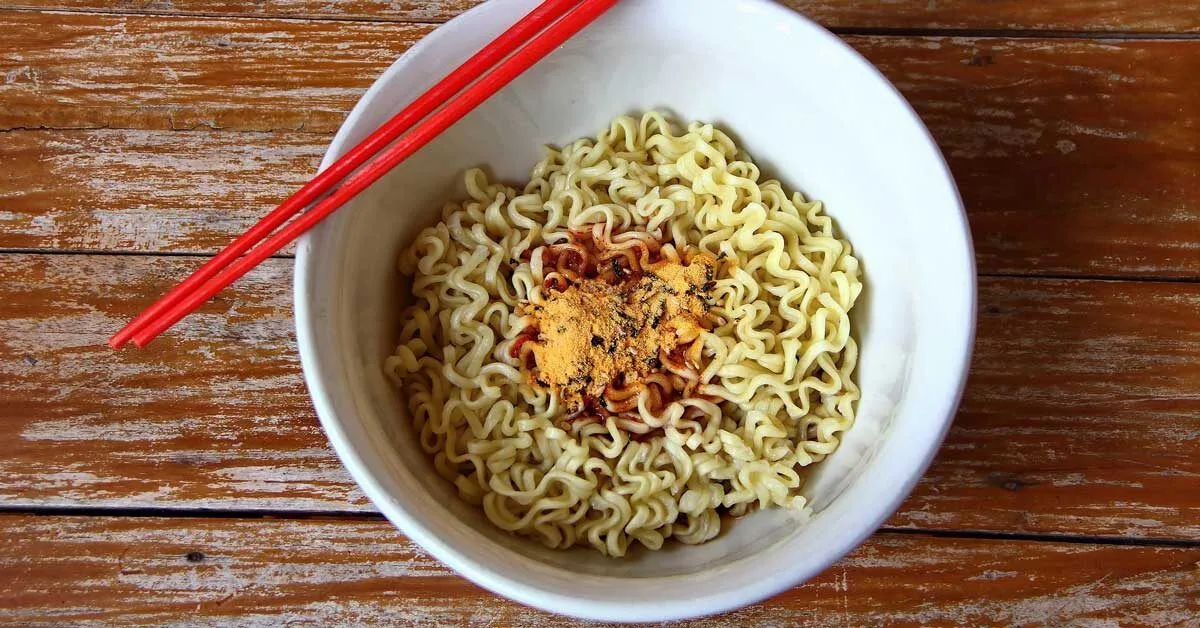
Monosodium glutamate, better known as MSG, has been treated as a villain in the kitchen for more than 50 years, and restaurant menus still boast "No MSG" as if it were a health warning. But the science tells a different story: in the amounts people normally eat, MSG is safe. The fear around it is a myth, and it began with a single letter, not a study.
What MSG actually is
MSG is the sodium salt of glutamic acid, an amino acid that the body makes itself and that occurs naturally in many foods, including tomatoes, cheese, mushrooms and seaweed. It is a white, odourless, crystalline powder, known in the food industry as E621.
MSG gives food its umami taste, the fifth basic taste alongside sweet, sour, salty and bitter. Umami is the savoury, meaty flavour that signals the presence of protein. The body cannot tell the difference between the glutamate that occurs naturally in food and the glutamate added as MSG, because both are broken down in exactly the same way.
Where the fear came from
MSG got its bad reputation in 1968, when Chinese-American doctor Robert Ho Man Kwok wrote a letter to the New England Journal of Medicine describing weakness, numbness and palpitations after eating at Chinese restaurants. He suggested that MSG might be the cause, though he also listed alcohol and sodium as possible culprits. The letter was not a study, and it tested nothing, but it sparked a media storm.
The symptoms Kwok described were soon named "Chinese Restaurant Syndrome", later renamed the "MSG symptom complex". Anecdotal reports through the 1970s and 1980s linked MSG to headaches, asthma and even brain damage, and "No MSG" became a restaurant selling point that survives today.
What the studies actually found
Early studies that seemed to back the fear used flawed methods: huge doses injected into mice, no control groups, tiny samples, or volunteers who knew whether they had eaten MSG.
In the decades that followed, MSG was studied far more carefully, and the results went the other way. Double-blind, placebo-controlled trials, in which neither the researchers nor the volunteers knew who had received MSG, consistently failed to find a reliable link between MSG and the reported symptoms. A safety review done for the US Food and Drug Administration (FDA) in 1995 found no evidence that typical dietary MSG causes any serious or chronic health condition.
The verdict of the regulators is now clear. The FDA, the European Food Safety Authority (EFSA) and the Joint FAO/WHO Expert Committee on Food Additives (JECFA) all consider MSG generally recognized as safe. They set an acceptable daily intake of 30 mg per kilogram of body weight per day, far above the 0.3 to 1.0 grams that most people eat in a day.
The claims that did not hold up
MSG has also been linked to obesity, metabolic disorders and brain damage, mostly on the basis of animal studies. Those studies used injections rather than food, at doses far beyond what anyone eats, so their results say little about a normal diet. Dietary glutamate barely passes from the gut into the blood, and almost none of it crosses the blood-brain barrier. Healthline, reviewing the evidence, concludes that no compelling evidence suggests MSG alters brain chemistry when consumed in normal amounts.
The evidence on weight is contradictory, and researchers say more human studies are needed, but typical dietary intakes of MSG appear unlikely to influence body weight or fat metabolism.
A small number of people may be sensitive
The one honest exception is a condition called MSG symptom complex, which is estimated to affect less than 1 percent of the population. Its symptoms include headache, flushing, dizziness, numbness and muscle tightness. But even here, the dose matters: symptoms appear only at 3 grams or more of MSG taken without food. A typical serving of an MSG-seasoned dish contains less than half a gram, so reaching that dose in one sitting is highly unlikely.
MSG also has a practical upside. It contains only one third of the sodium in table salt, so replacing some salt with MSG can cut sodium intake without losing flavour.
The verdict
MSG is not bad for you in normal amounts. The scare began with one unverified letter in 1968 and was kept alive by flawed early studies, while decades of better research and every major regulator have reached the opposite conclusion. A few people may react to very large doses, but for everyone else, the flavour enhancer is safe.
Frequently Asked Questions
What is MSG?
MSG is monosodium glutamate, the sodium salt of glutamic acid, an amino acid found naturally in tomatoes, cheese, mushrooms and seaweed. It is a white crystalline powder, known as E621, that gives food its savoury umami taste.
Why did people think MSG was unhealthy?
In 1968, Dr Robert Ho Man Kwok wrote a letter to the New England Journal of Medicine describing symptoms after eating Chinese food and suggesting MSG as a possible cause. The letter was not a study, but it created the label "Chinese Restaurant Syndrome" and decades of fear.
Is MSG safe to eat?
Yes, in normal amounts. The FDA, EFSA and the Joint FAO/WHO Expert Committee on Food Additives consider MSG generally recognized as safe. Less than 1 percent of people may react to very large doses of 3 grams or more taken without food.
Read More: Myths and Facts: The Blood Type Diet Does Not Work
Read More: Myths and Facts: Coffee Does Not Dehydrate You, Studies Show
Read More: Myths and Facts: Sugar Does Not Make Children Hyperactive
Read More: Myths and Facts: Vitamin C Does Not Prevent the Common Cold


Comments
Be the first to comment on this story.