


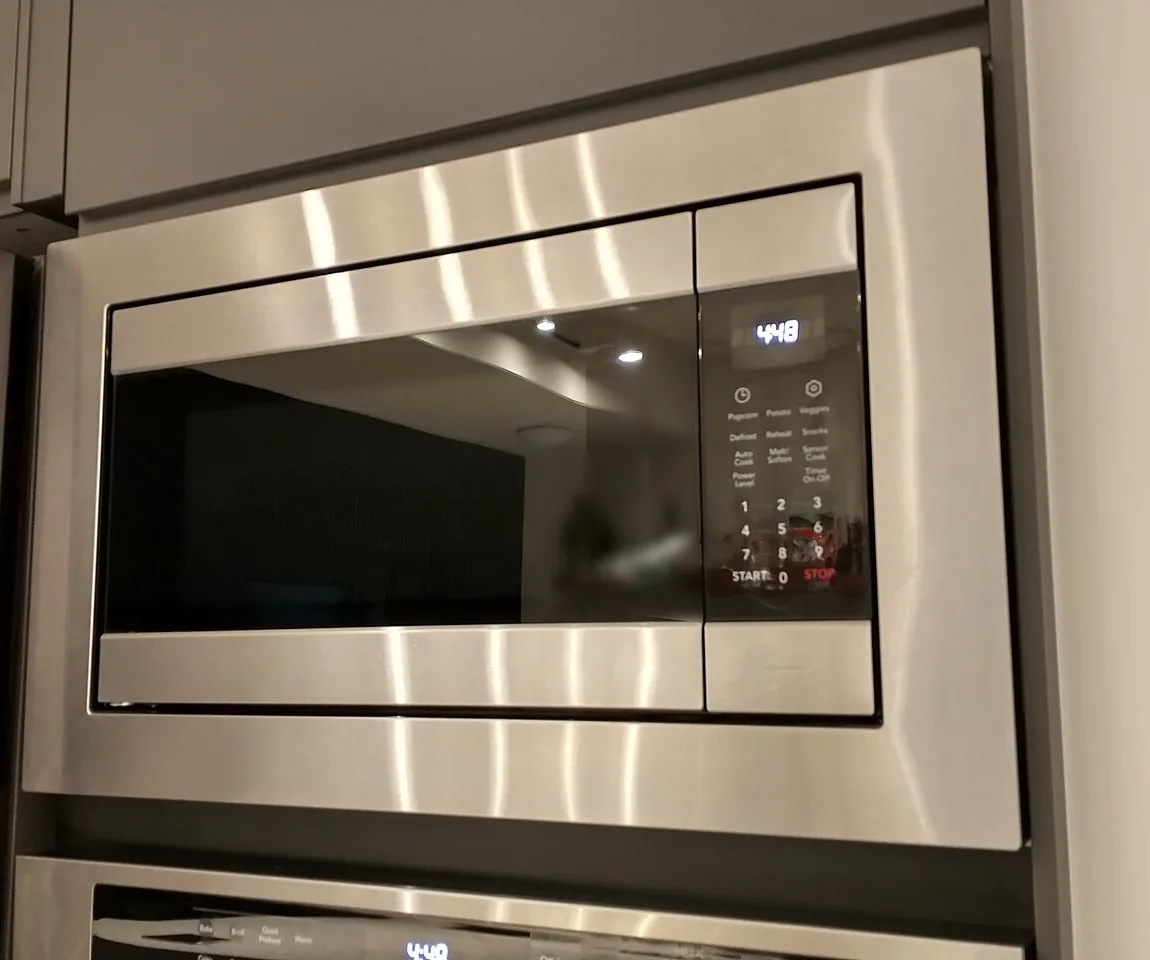
It is one of the most repeated kitchen warnings: do not microwave your food, because the microwaves will destroy all the nutrients and leave you eating dead food. The claim has been passed around for years, and it sounds plausible. Microwaves are invisible waves of energy, and the food that comes out of them can be piping hot in seconds. But the evidence points the other way. Microwaving does not destroy nutrients, and for many foods it preserves them better than boiling. Verdict: False.
The myth
The claim is that microwaves are uniquely destructive, that they zap vitamins out of food in a way that ordinary cooking does not, and that food cooked in a microwave is nutritionally empty. Some versions go further and suggest that microwaved food becomes radioactive or harmful to eat.
None of that is supported by the research. Cooking of any kind breaks down some nutrients, because heat changes their chemical structure. Vitamin C is the clearest example, as it is sensitive to heat. But the question is not whether cooking affects nutrients at all. It is whether microwaving is worse than other methods. On that question, the studies are consistent: it is not.
What the evidence shows
Harvard Health explains the point plainly. Microwave cooking is one of the least likely forms of cooking to damage nutrients, because the longer food cooks, the more nutrients tend to break down, and microwave cooking takes less time. Boiling vegetables is more likely to rob them of nutrients than either cooking them in the oven or microwaving them, because some nutrients leach out of the food into the water, which is then poured away.
Australia's science agency, CSIRO, reaches the same conclusion. It states that there is no firm evidence that microwaves cause any effect on food other than those due to rapid heating, and that the majority of published reports find food cooked in a microwave oven is at least as nutritious as food cooked by conventional methods. Cooking in minimal water for a reduced time, as happens with microwaving, promotes the retention of water-soluble vitamins, particularly vitamin C and thiamin.
The pattern holds up in direct comparisons. A 2009 study by Jimenez-Monreal and colleagues tested six home cooking methods across 20 vegetables and found that griddling, microwave cooking and baking produced the lowest nutrient losses, while pressure cooking and boiling led to the greatest losses. An earlier review by Cross and Fung in 1982 found no significant nutritional differences between foods prepared by conventional and microwave methods.
The radiation fear is also misplaced. Microwaves are non-ionizing radiation, which means they vibrate water molecules to create heat but do not change the food's chemistry beyond ordinary heating. They cease to exist the moment the oven is switched off, and they do not make food radioactive. Australia's radiation safety agency, ARPANSA, states that there is no indication of detrimental health issues associated with microwaved food.
The real thing to watch
There is one genuine concern with microwaves, and it has nothing to do with nutrients. Microwaving food in plastic containers can release microplastics and chemical additives into the food, so it is better to use glass or ceramic containers, and to keep cling film from touching the food. That is a question of the container, not the cooking method.
The bottom line is simple. What matters for nutrients is how hot the food gets, how long it stays hot, and how much water it sits in. Microwaving is fast and uses little water, so it is one of the gentlest ways to cook. The method that best retains nutrients is one that cooks quickly, heats food for the shortest amount of time and uses as little liquid as possible, and microwaving meets all three criteria.
Frequently Asked Questions
Does microwaving destroy vitamin C?
Some vitamin C is lost in any cooking, because heat breaks it down. But microwaving preserves more of it than boiling, because it cooks faster and uses less water.
Does microwaved food become radioactive?
No. Microwaves are non-ionizing radiation. They stop the moment the oven is switched off and cannot make food radioactive.
Is it safe to microwave food in plastic containers?
It is better not to. Microwaving in plastic can release microplastics and chemical additives into food, so use glass or ceramic containers instead.
Read More: Myths and Facts: Bulls Do Not Hate Red, Science Shows
Read More: Myths and Facts: Sugar Does Not Make Children Hyperactive
Read More: Myths and Facts: Bats Are Not Blind, They Can See Well
Read More: Myths and Facts: Reading in Dim Light Does Not Damage Eyes

Comments
Be the first to comment on this story.