


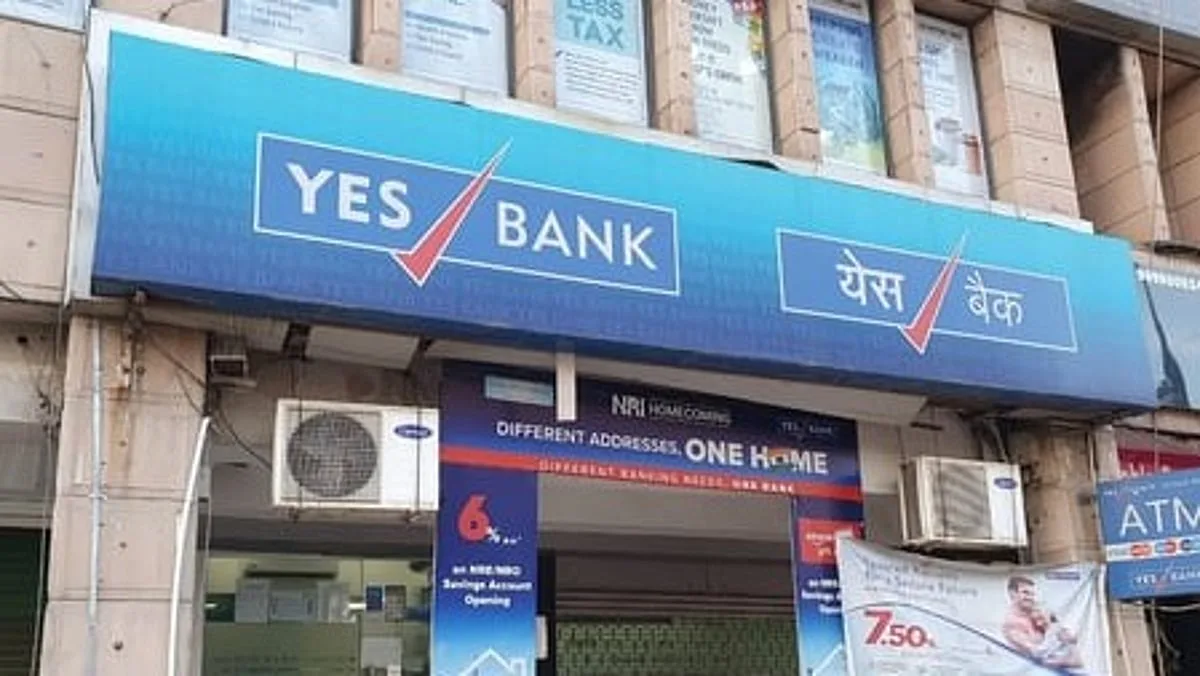
The Centre has joined the Reserve Bank of India and Yes Bank in asking the Supreme Court to reconsider its order striking down the Rs 8,415 crore write-off of the bank's additional tier-1 bonds, known as AT-1 bonds. The government filed its review petition on 17 November 2026, days after the RBI and Yes Bank filed their own petitions on 13 November. Here is what AT-1 bonds are, what happened to Yes Bank's bonds, and what the review petitions are asking for.
What are AT-1 bonds?
AT-1 bonds are a type of perpetual bond issued by banks. They have no maturity date, which means the bank is never obliged to repay the principal on a fixed date. In return for that risk, they pay investors a higher rate of interest than ordinary bonds.
They exist because of the Basel III framework, the global set of banking rules that followed the 2008 financial crisis. Under these rules, AT-1 bonds count as a bank's capital, and they are designed to absorb losses when a bank gets into trouble. If a bank's capital falls below a set level, the bonds can be written down, which means their value is reduced or wiped out entirely, so that the bank can stay afloat and depositors are protected. Investors who buy them take on that risk in exchange for the higher return.
What happened at Yes Bank?
Yes Bank ran into severe trouble in early 2020, and the RBI stepped in with a rescue in March that year. As part of the rescue, an administrator was appointed to oversee the bank's reconstruction, and the bank wrote off its entire AT-1 bonds, worth Rs 8,415 crore.
The bondholders challenged the write-off. In January 2023, the Bombay High Court set it aside. The bank, the RBI and the Centre appealed, and on 15 October 2026 the Supreme Court dismissed their appeals and upheld the High Court's order.
The court's reasoning turned on the reconstruction scheme itself. It held that the administrator lacked the authority to write down the AT-1 bonds once the final reconstruction scheme came into effect, because the provision permitting such a write-off had been omitted from the final scheme approved by the government. The write-off therefore had no legal basis.
What the review petitions say
The RBI filed its review petition on 13 November 2026. It has argued that the Supreme Court did not adequately consider its Basel III master circular, and it has sought an open-court hearing and a stay on the judgment. The RBI has also warned that overturning the write-down could weaken the role of AT-1 bonds as loss-absorbing capital instruments and have implications for the banking system's resolution framework, the process by which failing banks are rescued or wound down.
Yes Bank filed a separate review petition the same day, pointing to the capital impact of restoring the bonds. If the Rs 8,415 crore has to be paid back to bondholders, it would dent the bank's capital position.
The Centre filed its own review petition on 17 November 2026, according to the Supreme Court's website. The petition, filed against Axis Trustee Services Ltd, the trustee for the bondholders, is yet to be numbered or listed for hearing.
Axis Trustee Services, which represents the bondholders, filed a contempt petition earlier in November 2026, alleging that Yes Bank has not provided a clear roadmap to restore the bonds or implement the ruling.
What happens next
Review petitions in the Supreme Court are usually decided by circulation among the judges, without oral arguments, unless the court orders an open hearing. The RBI has specifically asked for one, so whether the case is heard in open court is the first question the judges will have to answer.
The stakes go beyond Yes Bank. AT-1 bonds are a standard part of how Indian banks raise capital, and they are held by institutions and by individual investors who were drawn to their higher returns. A final ruling that the 2020 write-off was unlawful would force Yes Bank to find the money to restore the bonds, and it would shape how future bank rescues treat bondholders. A review that upholds the write-off would instead confirm that regulators can wipe out these bonds when a bank is in trouble. Either way, the case will define the balance between protecting depositors in a rescue and protecting the investors who funded the bank.
Frequently Asked Questions
What are AT-1 bonds?
AT-1 bonds are perpetual bonds issued by banks that count as capital under the Basel III rules. They pay higher returns than ordinary bonds but can be written down if the bank gets into trouble.
Why was Yes Bank's AT-1 write-off struck down?
The Supreme Court held that the administrator lacked the authority to write down the bonds once the final reconstruction scheme took effect, because the provision permitting the write-off had been omitted from the final scheme.
Who has filed review petitions?
The RBI and Yes Bank filed review petitions on 13 November 2026, and the Centre filed its own petition on 17 November. The petitions are yet to be numbered or listed for hearing.
Read More: Explained: The Rs 874 Crore Plan to Clean the Yamuna
Read More: Explained: EPFO's New Systematic Withdrawal Plan for Retirees
Read More: Explained: Delhi's New Waste Rules and the Rs 10,000 Fine for Burning Waste
Read More: Explained: Cyclone Akvan and Why It Weakened Before Landfall

Comments
Be the first to comment on this story.