


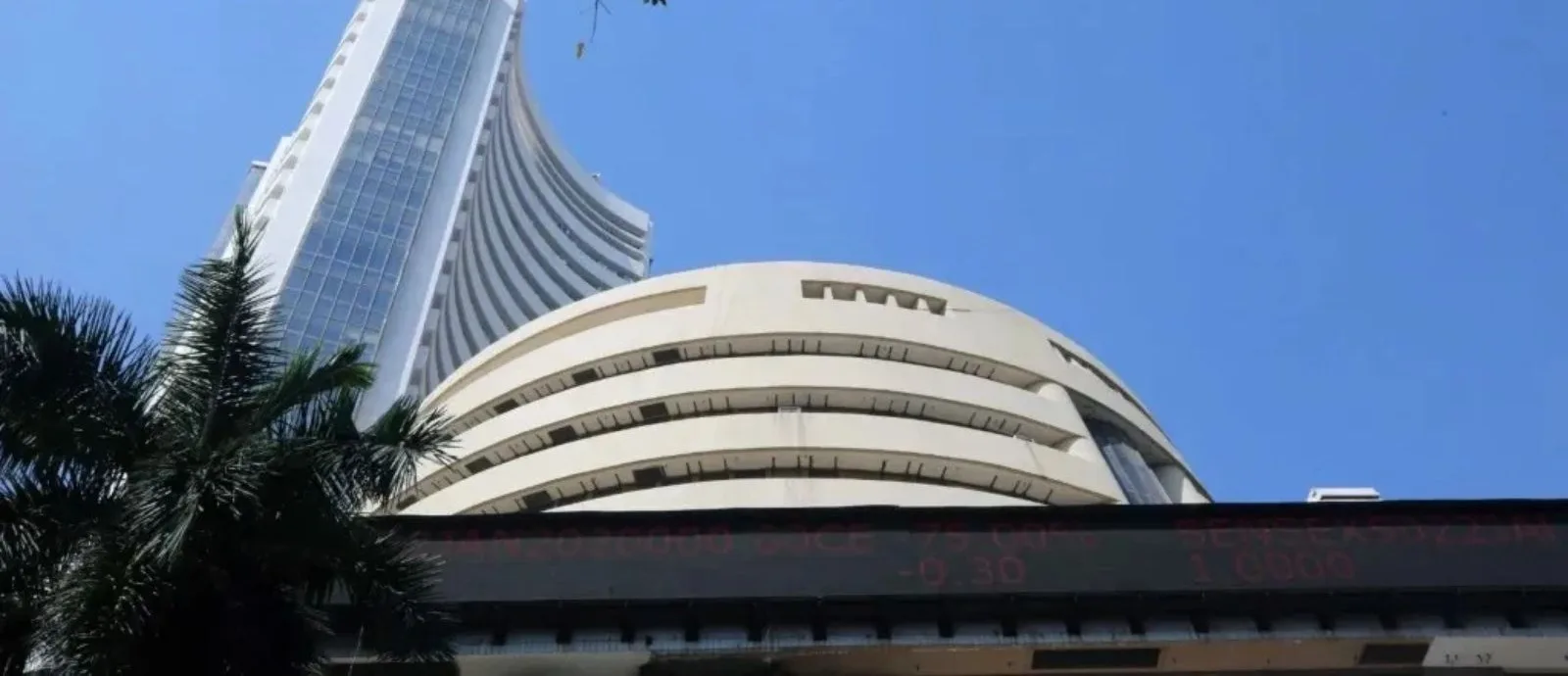
Domestic stock markets staged a strong rally on Wednesday, 25 November, with the Sensex surging nearly 2,000 points during intraday trade and reversing the weakness seen in the previous session. Investors returned to equities as global cues improved, foreign institutional investors kept buying, and corporate earnings stayed strong.
The 2.4 per cent surge came against a backdrop of heightened volatility in global markets, particularly in technology and artificial intelligence related stocks, which has triggered sharp swings across major equity indices in recent sessions.
What happened on Wednesday
The BSE Sensex was trading at 84,426 at 11.50 am, up 1,991 points or 2.4 per cent, while the NSE Nifty 50 climbed 2.3 per cent, or 590 points, to 25,941. The rally helped markets reclaim lost ground after Monday's steep correction, and showed that foreign investors had not abandoned Indian equities despite the recent bout of profit booking.
A catch-up rally after the holiday
One of the immediate triggers for Wednesday's rally was the positive movement in global equities during India's market holiday on Tuesday. Investors returned to the domestic market with the benefit of stronger international cues, particularly the recovery in US technology stocks.
The rebound in global markets helped ease concerns following the sharp sell-off in the previous session. As global risk appetite improved, buying interest returned to Indian equities, lifting heavyweight stocks across sectors. Markets in South Korea, Taiwan and Japan, which have significant exposure to the AI and semiconductor investment cycle, have witnessed similar swings in response to movements on the Nasdaq.
The AI trade is driving the volatility
Market participants believe that the sharp fluctuations in AI related stocks have become a major source of volatility in global equity markets. A market dealer summed up the pattern in simple terms: when the Nasdaq goes down, other AI markets like South Korea, Taiwan and Japan also go down, and when the Nasdaq bounces back, these AI trade dominated markets bounce back too.
The growing derivatives activity is further amplifying these movements, accelerating both declines and recoveries. This was evident in India's sharp correction on Monday, when selling pressure gathered momentum.
The concern is that markets are reacting to speculative positioning and short term trading activity rather than changes in underlying economic fundamentals, so sharp movements in global technology stocks translate into disproportionate volatility across other markets.
Foreign investors are still buying
An important factor supporting the domestic market is the continued buying by foreign institutional investors. Despite recent profit booking and sharp daily swings, foreign investors have remained net buyers of Indian equities. Their investment into India has reached a record 13.2 billion dollars so far this month, indicating a significant reversal in their investment stance.
Sustained foreign inflows provide liquidity and support market valuations, especially in large cap stocks, and the continued buying suggests overseas investors are looking beyond short term volatility and reassessing India's longer term growth prospects.
Strong earnings are supporting the market
India's corporate earnings outlook is another important factor behind the market's resilience. Nifty 50 companies reported an impressive 27 per cent earnings growth in the second quarter, strengthening the case for Indian equities and showing that improving earnings fundamentals are an important pillar of market resilience.
What should investors watch?
The latest rally demonstrates the resilience of Indian equities, but it does not necessarily signal the end of volatility. Global technology stocks, derivatives positioning and foreign investor flows will continue to influence short term market direction, so analysts advise focusing on corporate earnings, economic growth and capital flows rather than extreme daily movements.
Frequently Asked Questions
Why did the Sensex surge nearly 2,000 points on 25 November?
The Sensex surged because global markets rebounded while Indian markets were closed for a holiday on Tuesday, US technology stocks recovered, foreign institutional investors continued buying Indian equities, and corporate earnings stayed strong.
How much did the Sensex and Nifty gain?
The BSE Sensex was trading at 84,426 at 11.50 am on Wednesday, up 1,991 points or 2.4 per cent, while the NSE Nifty 50 climbed 2.3 per cent, or 590 points, to 25,941.
Does the rally mean the volatility is over?
No. The rally shows the resilience of Indian equities, but global technology stocks, derivatives positioning and foreign investor flows will keep influencing short term market direction. Analysts advise focusing on corporate earnings, economic growth and capital flows rather than extreme daily movements.
Read More: Explained: Why COP31 Ended With No Climate Deal for India
Read More: Explained: G20 Johannesburg Summit, Six Proposals by Modi
Read More: Explained: What the Quad Summit in Manila Means for India
Read More: Explained: Ganga Water Treaty Ends December 12, What Happens Next

Comments
Be the first to comment on this story.