


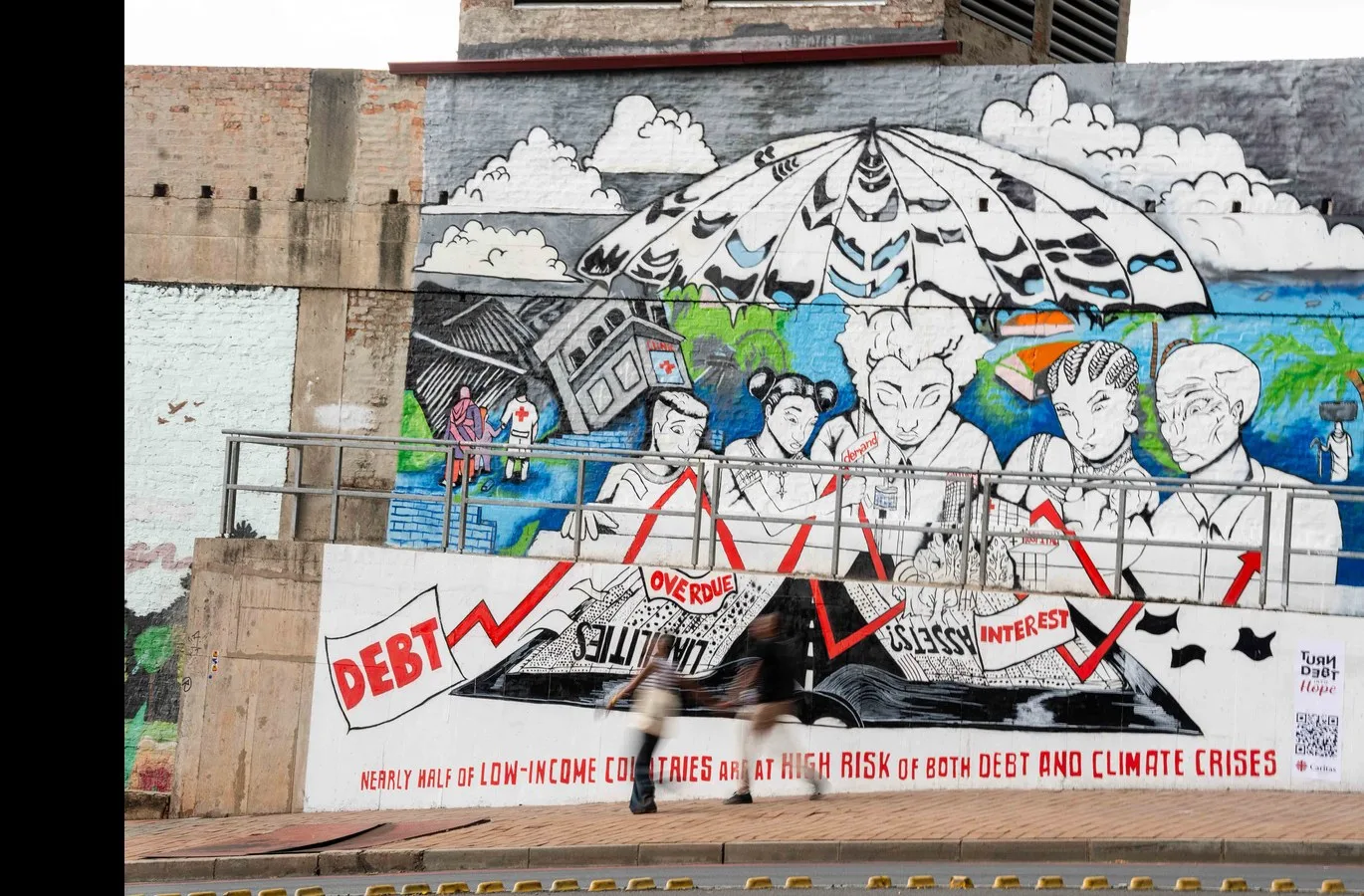
The G20 leaders summit in Johannesburg ended on November 23 with a 122-paragraph declaration, a new framework on critical minerals and six proposals from Prime Minister Narendra Modi. It was the first G20 summit held on African soil, and it went ahead despite a complete boycott by the United States and the absence of several top leaders.
For India, the summit was a chance to shape the agenda of the Global South. Modi spoke at all three sessions, put forward six new global initiatives, and argued that development models need to be rethought. The declaration that emerged kept the priorities of developing countries at its centre, from climate finance to debt relief.
What is the G20
The G20 is a grouping of 19 countries plus the European Union and the African Union. With the African Union now a full member, it represents 88 per cent of global GDP, 78 per cent of international trade and around three-quarters of the world population.
The forum began as a meeting of finance ministers and central bank governors, and was raised to leaders level in 2008. It now covers trade, sustainable development, health, education, science and technology, agriculture, energy, environment, climate change, women-led development, critical minerals and artificial intelligence.
The Johannesburg summit was the fourth in a row held in the Global South, after Indonesia, India, Brazil and South Africa. South Africa, the only African member of the grouping, held the presidency, and President Cyril Ramaphosa chaired the meeting.
What happened in Johannesburg
The leaders summit was held on November 22 and 23 in Johannesburg. Ramaphosa opened the meeting by saying South Africa had sought at all times to preserve the integrity and stature of the G20, in a reference to the boycott by the United States.
The US stayed away from the summit entirely, and the top leaders of Russia, China, Argentina, Mexico and Indonesia were also absent. India, Brazil and a handful of leaders from the North, including France, Germany, the UK and Japan, carried the meeting along with the host nation.
Despite the absences, the leaders adopted a declaration. It runs to 122 paragraphs and covers inclusive growth, debt sustainability, disaster resilience, climate finance, critical minerals, food security and global governance. A climate declaration was also adopted, calling for climate finance to be scaled up from billions to trillions. The declaration condemned terrorism in all its forms and spoke against attempts to alter internationally recognised borders by force.
South Africa had set four priority areas for its presidency: debt sustainability for low-income countries, mobilising finance for a just energy transition, strengthening disaster resilience and response, and harnessing critical minerals for inclusive growth and sustainable development.
The six proposals from PM Modi
Modi presented six new global initiatives across the three sessions, which covered inclusive and sustainable growth, a resilient world, and a fair and just future for all:
- G20 Global Traditional Knowledge Repository, a digital platform to preserve ancestral knowledge in medicine, agriculture and sustainability, which Modi described as collective wisdom for good health and well-being. - G20 Africa Skills Multiplier Initiative, to train one million certified trainers across Africa over the next decade, so they can in turn skill millions of young people. - G20 Global Healthcare Response Team, a standing team of medical experts from G20 countries who can be deployed rapidly during health emergencies and natural disasters. - G20 Initiative on Countering the Drug-Terror Nexus, to coordinate finance, governance and security action against drug trafficking, including synthetic drugs such as fentanyl. Modi said, "Let us weaken the wretched drug-terror economy." - G20 Open Satellite Data Partnership, to make satellite data from G20 space agencies available to developing countries for agriculture, fisheries, disaster response and environmental monitoring. - G20 Critical Minerals Circularity Initiative, to promote recycling, urban mining and second-life battery projects, easing pressure on supply chains for clean energy.
Modi framed the proposals in the idea of Integral Humanism, arguing that the individual, society and nature should be seen as one integrated whole. He also called for the parameters of development to be reconsidered, and for a greater voice for the Global South in global governance. His message to the leaders was plain: "Development must be sustainable. Trade should be trusted. And progress must ensure all-inclusive prosperity."
The critical minerals framework
The most consequential outcome for India was the G20 Critical Minerals Framework. The declaration said the framework aims at leveraging critical minerals as a catalyst for sustainable development, inclusive economic growth and resilience.
It recognised that producer countries, especially in the developing world, face underinvestment, limited value addition and a lack of technologies. At the same time it said the framework fully preserves the sovereign right of mineral-endowed countries to harness their endowments for inclusive economic growth.
For India, which depends on imports for most of the minerals used in electric vehicles, solar panels and batteries, the framework matters twice over. It opens a path to more secure supplies, and the circularity initiative Modi proposed gives India a way to cut import dependence through recycling and urban mining.
What the summit means for India
The summit strengthened India's standing as the anchor of the Global South inside the G20. The declaration carried forward several priorities from India's own 2023 presidency, including stronger language on climate finance, recognition of the Coalition for Disaster Resilient Infrastructure, the role of digital public infrastructure and the concept of Lifestyles for Sustainable Development.
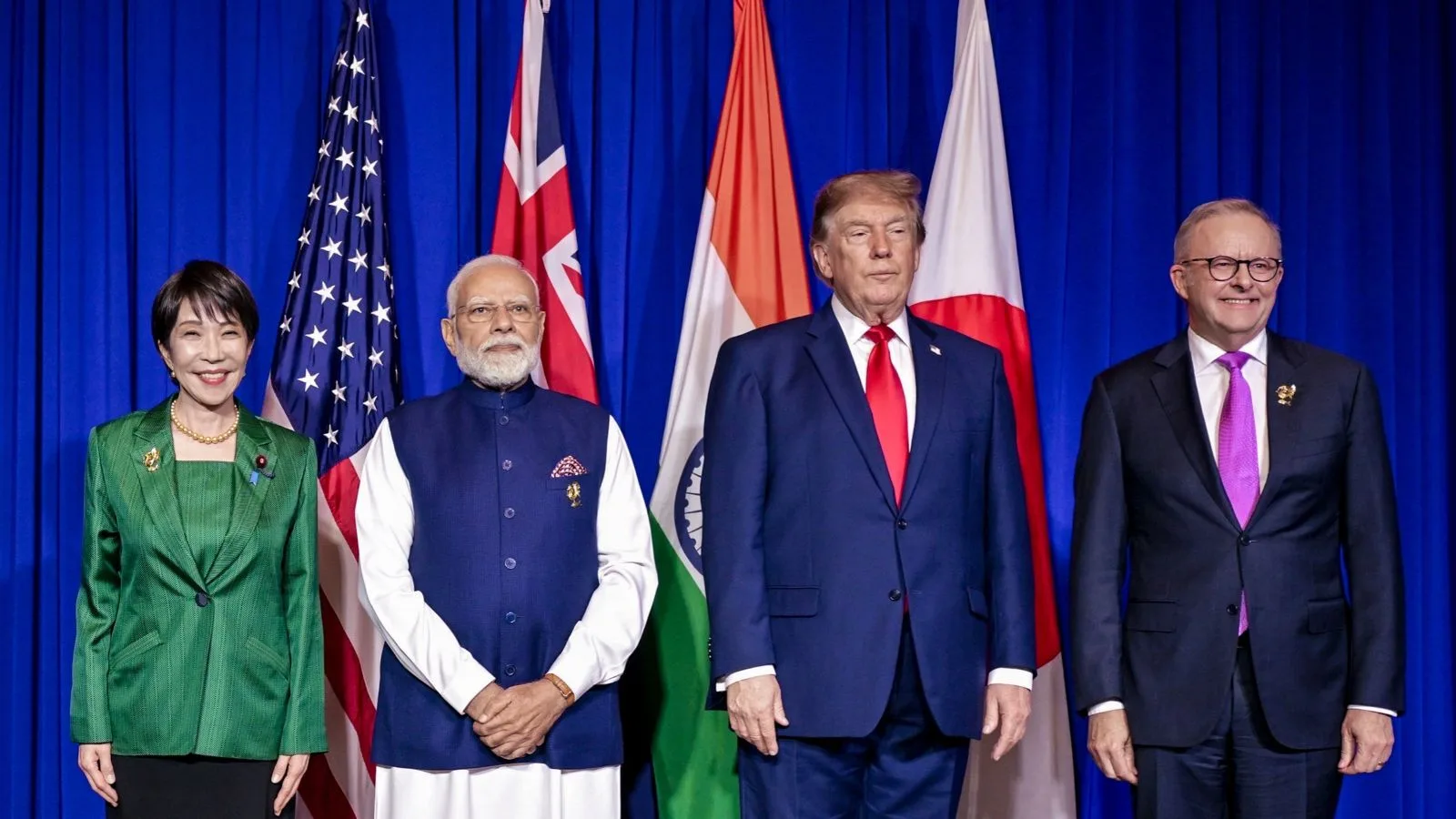
On the sidelines, Modi held a series of bilateral meetings, including with British Prime Minister Keir Starmer, French President Emmanuel Macron, Brazilian President Lula da Silva, Canadian Prime Minister Mark Carney, Japanese Prime Minister Sanae Takaichi and Italian Prime Minister Giorgia Meloni. He also held a bilateral with Australian Prime Minister Anthony Albanese and took part in the India-Brazil-South Africa leaders meeting, where he said reform of the UN Security Council was no longer an option but a necessity.
India also used the summit to push for a global compact to prevent the misuse of artificial intelligence, arguing that critical technologies should be human-centric rather than finance-centric.
What happens next
The United States takes over the G20 presidency next, but a formal handover was not possible because the US president was absent. The current US administration has serious reservations about key elements of the Johannesburg outcome documents, so how the G20 fares under its presidency is an open question.
For now, the Johannesburg summit showed that the G20 can still produce a consensus declaration without the United States, and that middle powers can carry the agenda forward. Whether the decisions are implemented will depend on political will in the capitals, including on the six initiatives India proposed.
Frequently Asked Questions
What is the G20?
The G20 is a grouping of 19 countries plus the European Union and the African Union. With the African Union as a full member, it represents 88 per cent of global GDP, 78 per cent of international trade and around three-quarters of the world population.
What did PM Modi propose at the Johannesburg summit?
Modi proposed six initiatives: a Global Traditional Knowledge Repository, an Africa Skills Multiplier Initiative to train one million trainers, a Global Healthcare Response Team, an initiative to counter the drug-terror nexus, an Open Satellite Data Partnership and a Critical Minerals Circularity Initiative.
What is the G20 Critical Minerals Framework?
It is a framework adopted in the Johannesburg Declaration to leverage critical minerals for sustainable development, inclusive growth and resilience, while preserving the sovereign right of mineral-endowed countries to use their resources for their own growth.
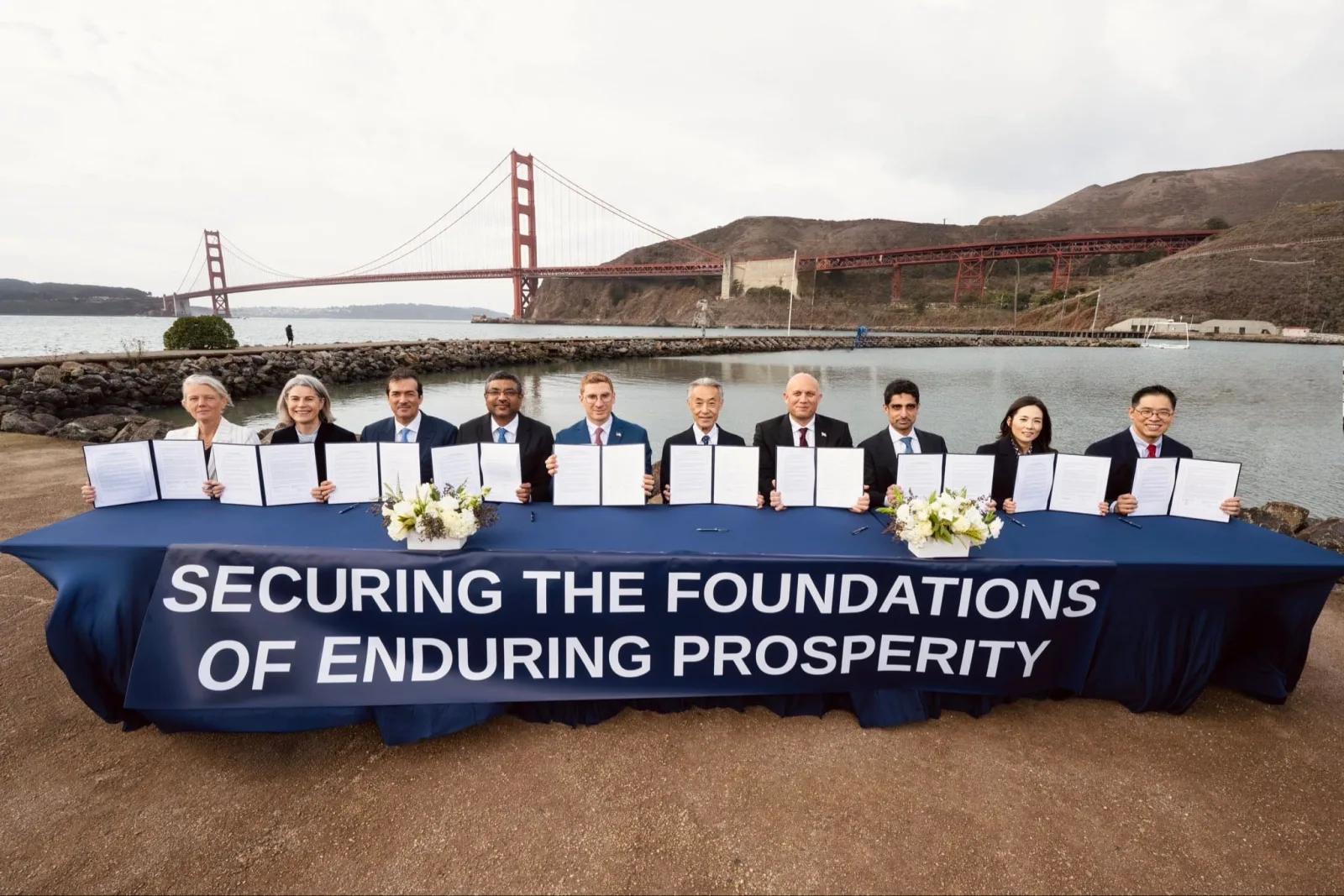
Read More: Explained: Pax Silica, the AI Pact India Just Signed
Read More: Explained: Labour Codes One Year On, What Has Changed for Workers
Read More: Explained: Why COP31 Ended Without a Deal on Fossil Fuels
Read More: Explained: SEBI Wants to Ease FPI Disclosure Rules
Comments
Be the first to comment on this story.