


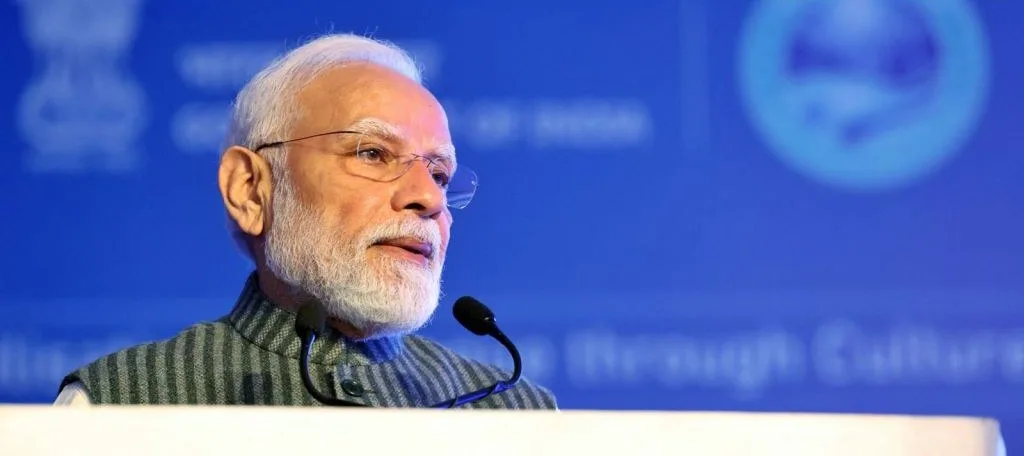
India hosted the first Shanghai Cooperation Organisation (SCO) Civilisational Dialogue Forum in New Delhi between November 20 and 22. The meeting reflects a growing trend in world politics: countries are putting history, culture and civilisational identity at the centre of their foreign policy.
The forum was proposed by Prime Minister Narendra Modi at the SCO Summit in Tianjin in September 2025. It aims to strengthen cultural ties and people to people exchanges among SCO countries, at a time when geopolitical tensions and weakening multilateral institutions are reshaping global politics.
But what does the phrase civilisational state actually mean, which countries use it, and can it really bridge the divides in world politics? Here is the idea, explained.
First, what is a civilisational state?
The term was introduced by American political scientist Lucian W. Pye in his 1990 Foreign Affairs essay, China: Erratic State, Frustrated Society. Pye used it to describe China's distinctive historical and political character, which he felt was hard to understand within the conventional European nation state framework.
A civilisational state can be understood as a sovereign nation whose identity is rooted in historical, religious, cultural and philosophical memories, traditions and practices. These extend well beyond its formation as a modern nation state, linking its past with its present.
Unlike a conventional nation state, which focuses mainly on territorial sovereignty, citizenship and political institutions, a civilisational state draws on a longer historical inheritance to explain its identity, its development choices and its international role.
The idea is not new
The idea of dialogue among civilisations goes back a long way. At the 1893 Parliament of the World's Religions in Chicago, Swami Vivekananda argued that world order and peace depend on mutual respect, assimilation and universal acceptance, not on religious uniformity or cultural dominance.
In 1988, Iranian President Mohammad Khatami proposed designating 2001 as the United Nations Year of Dialogue among Civilisations, as an alternative to Samuel Huntington's clash of civilisations thesis, which argues that cultural and religious identities drive the main conflicts in the post Cold War world.
Later efforts include the UN Alliance of Civilisations in 2005 and Azerbaijan's Baku Process in 2008. India hosted the 2023 G20 summit with the theme Vasudhaiva Kutumbakam, meaning the world is one family. In 2024, the UN established June 10 as the International Day for Dialogue among Civilisations.
Why the idea is gaining importance now
The growing prominence of civilisational narratives is connected to the changing international order. The Russia Ukraine war, the US China rivalry, conflicts in West Asia and declining confidence in multilateral institutions have encouraged countries to question the existing distribution of international power and influence.
Emerging powers increasingly contend that Western political and institutional mechanisms should not be seen as universal models for international governance. Civilisational values provide an alternative framework for countries to coexist despite differences in religion, culture, economic circumstances and political systems.
They also complement strategic autonomy. Countries can maintain relationships with competing geopolitical powers without necessarily adopting their ideological or political systems. Rather than replacing conventional geopolitics, civilisational diplomacy adds a historical and cultural dimension to the pursuit of national interests.
How countries are using the idea
China presents itself as a civilisation with thousands of years of historical continuity. Under President Xi Jinping, this narrative has become important in explaining China's development path and international position, through the Global Development Initiative in 2021, the Global Security Initiative in 2022 and the Global Civilisation Initiative in 2023. Beijing's argument is that modernisation does not need to follow a single Western pathway.
Russia's 2023 Foreign Policy Concept describes the country as a unique state civilisation and a vast Eurasian and Euro Pacific power, drawing on Slavic, Orthodox Christian, European and Asian influences. The narrative supports Russia's engagement with China, India and Central Asia and its advocacy of multipolarity through BRICS and the SCO. Its claims to a broader historical and cultural space remain contested, particularly in Ukraine.
Under President Recep Tayyip Erdogan, Turkey has given greater prominence to its Ottoman and Islamic heritage, using historical and linguistic connections across the Middle East, the Balkans and Central Asia. The Organisation of Turkic States, connecting Turkey with Azerbaijan, Kazakhstan, Kyrgyzstan and Uzbekistan, shows how shared identities can support contemporary institutional cooperation.
Civilisational politics is not exclusively a non Western phenomenon. The second Trump administration's 2025 National Security Strategy frames global politics around cultural and civilisational identity, warning of civilisational erasure in Europe and positioning the US as a defender of Western cultural and religious heritage.
India: from heritage to engagement
India's approach is distinctive because its historical experience covers multiple philosophical traditions, religions, languages and cultural exchanges. The 2023 G20 presidency theme, expressed through One Earth, One Family, One Future, presented an Indian philosophical principle as a framework for addressing shared global challenges. India's efforts to secure permanent G20 membership for the African Union further reflected its emphasis on more representative global governance.
Buddhism gives India historical connections across Southeast and East Asia, Mongolia and Central Asia, carried forward through Nalanda University and cultural exchanges. International Yoga Day shows how traditional knowledge systems can acquire global recognition and become instruments of cultural diplomacy. And civilisational identity reinforces India's strategic autonomy: its engagement with the US, Russia, Europe, China and the Global South shows that Indian foreign policy cannot be defined by membership in any particular geopolitical bloc.
The SCO Civilizational Dialogue Forum extends this approach, broadening the organisation's engagement beyond security, economics and connectivity, and connecting civilisational outreach with India's wider Eurasian engagement, particularly with Central Asia and the South Caucasus.
Can civilisational diplomacy overcome geopolitical divisions?
Civilisational diplomacy can build cultural ties beyond conventional alliances, giving countries alternative ways to engage internationally through greater civil society participation and stronger people to people connections.
But it also carries risks. Governments may selectively interpret history to strengthen domestic political legitimacy or claim cultural superiority. Historical ties may also be invoked to challenge neighbouring countries' sovereignty and independent identities.
India and China illustrate another limitation: shared Buddhist heritage has not prevented strategic rivalry and border tensions. Civilisational connections cannot substitute for political negotiations, economic cooperation or established international institutions. The challenge is to ensure that civilisational identity becomes a source of dialogue rather than division.
Frequently Asked Questions
What is a civilisational state?
A civilisational state is a sovereign nation whose identity is rooted in historical, religious, cultural and philosophical memories, traditions and practices that go back far beyond its formation as a modern nation state. The term was introduced by political scientist Lucian W. Pye in a 1990 essay on China.
What was the SCO Civilisational Dialogue Forum?
India hosted the first SCO Civilisational Dialogue Forum in New Delhi from November 20 to 22, 2026. Proposed by Prime Minister Narendra Modi at the SCO Summit in Tianjin in September 2025, it aims to strengthen cultural ties and people to people exchanges among SCO countries.
Can civilisational diplomacy replace normal diplomacy?
No. Shared heritage has not prevented rivalry between countries, as India and China show, and civilisational ties cannot substitute for political negotiations, economic cooperation or established international institutions. The idea works best as an added dimension of diplomacy, not a replacement for it.
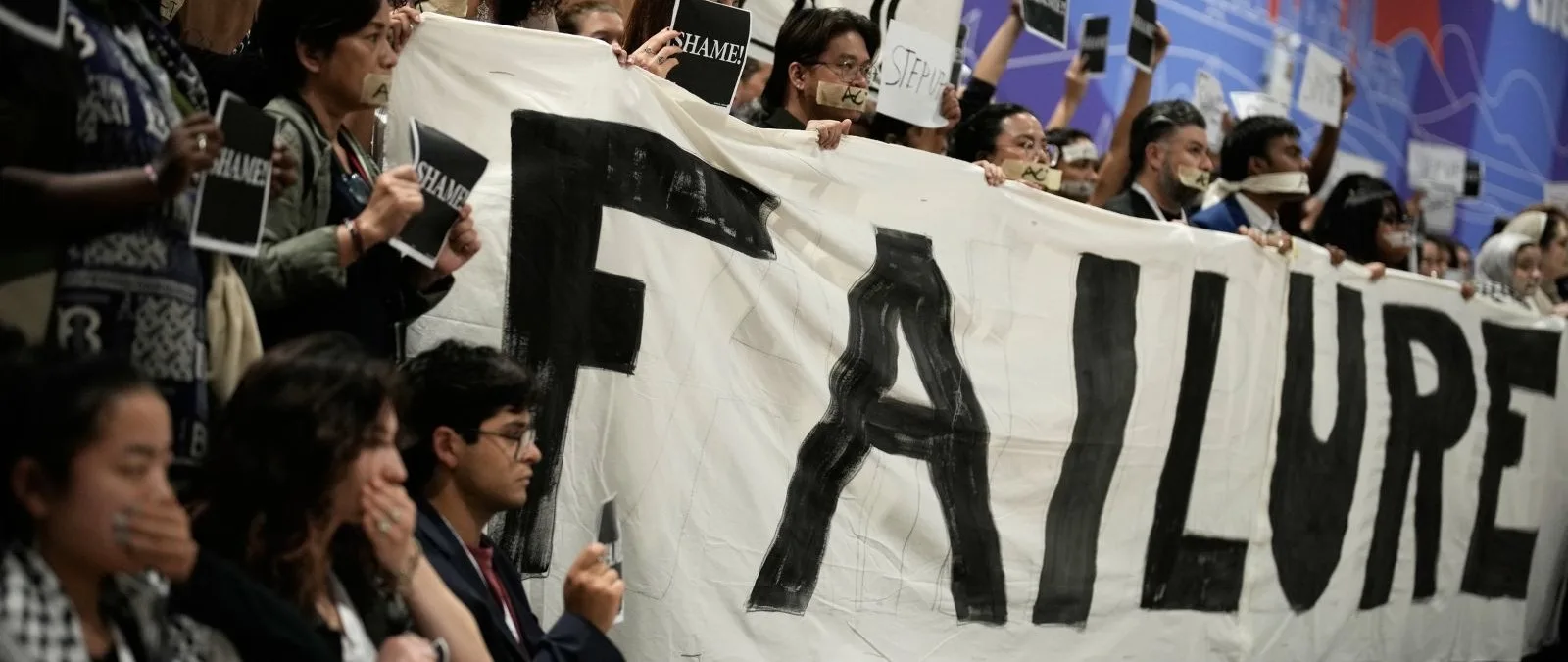
Read More: Explained: Why COP31 Ended With No Climate Deal for India
Read More: Explained: G20 Johannesburg Summit, Six Proposals by Modi
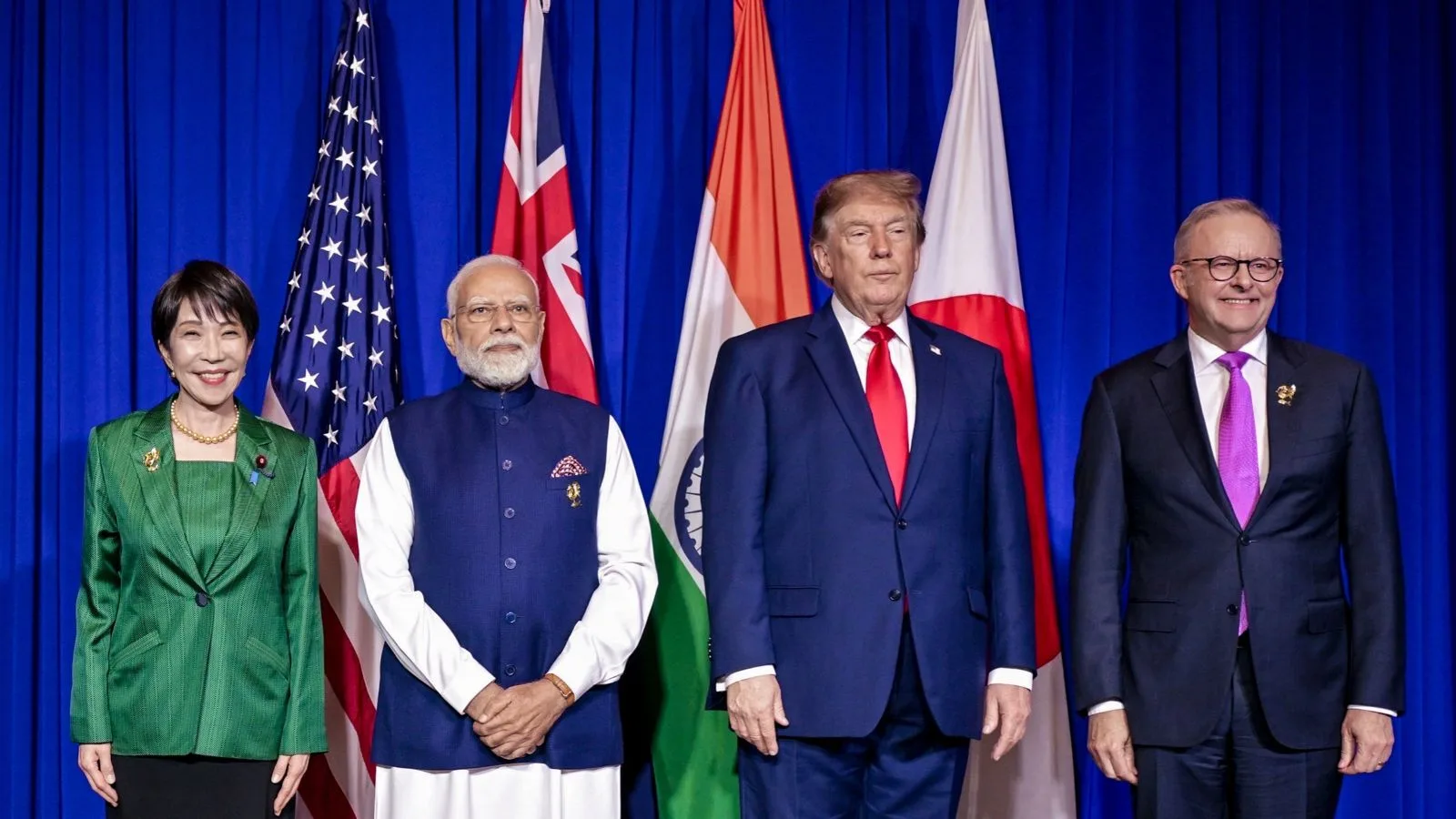
Read More: Explained: What the Quad Summit in Manila Means for India
Read More: Explained: Ganga Water Treaty Ends December 12, What Happens Next
Comments
Be the first to comment on this story.