


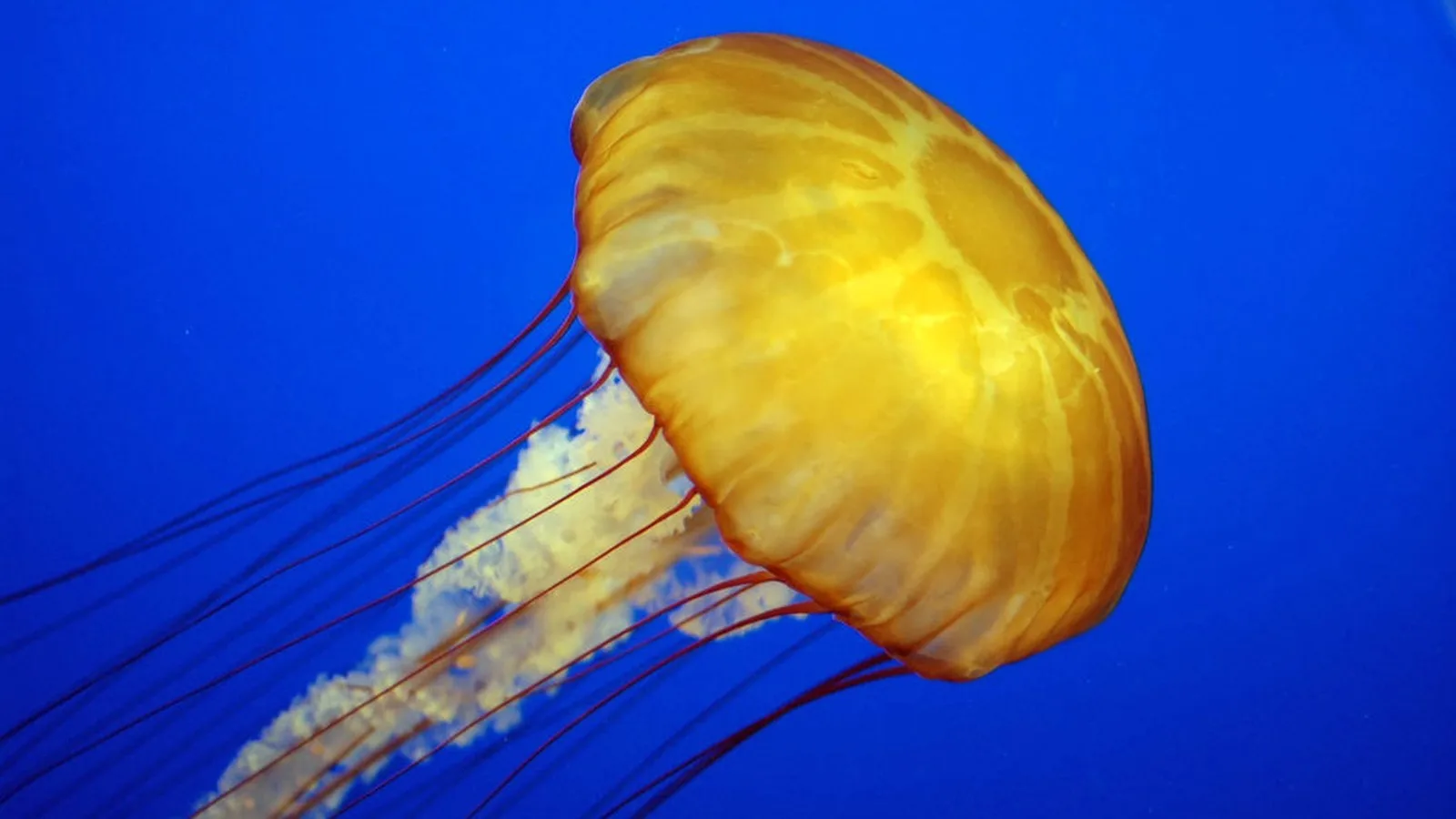
You are stung by a jellyfish on a beach holiday and someone nearby offers the classic cure: urinate on the sting. It is the advice from a famous episode of the television show Friends, and it has been repeated on beaches for years. It is also wrong. Urinating on a jellyfish sting does not help, and doctors say it can make the sting worse. Verdict: False.
The claim
The claim is simple: urine can neutralise jellyfish venom, stop the pain and help the sting heal. The idea is that ammonia and urea in urine break down the tiny stinging cells on a jellyfish tentacle and make them let go of the skin. It sounds scientific, and it became famous in 1997 when Friends showed Joey telling Monica to urinate on her sting after she was stung in the sea. In the episode it worked. In real life it does not, and the Cleveland Clinic says about 150 million jellyfish stings happen around the world every year, so this is a myth that reaches a lot of people.
Why the idea sounds plausible
Urine does contain urea and ammonia, and in a laboratory, concentrated urea can dissolve the sticky substances that help tentacles cling to skin. That is the grain of truth behind the myth. The problem is the dose. Urine is about 95 percent water, so the urea and ammonia in it are far too diluted to have any useful effect on a sting. As the Cleveland Clinic explains, there is simply not enough ammonia and other chemicals in urine to stop the stinging cells or make them detach. What is left is mostly water, and water is exactly what a fresh sting does not need.
What urine actually does to a sting
A jellyfish tentacle is covered in thousands of tiny stinging cells called nematocysts. When they touch skin they fire microscopic barbs and inject venom, and many of them stay in the skin after the tentacle is gone. These cells react to changes in pressure and chemistry, so anything poured over them can set off the ones that have not fired yet. Urine is mostly fresh water, and fresh water changes the osmotic pressure around the cells, which can make them release more venom. The force of the stream can also move the tentacles and barbs around on the skin, triggering more stings.
Emergency medicine specialist Dr Thomas Waters of the Cleveland Clinic puts it plainly: "Jellyfish stings are painful enough without amplifying the symptoms. You might mean well by peeing on a sting, but putting the wrong substance on it can really make things worse." A 2017 laboratory study published in the journal Toxins found that urine made the stinging cells of the Portuguese man o' war fire about as much as alcohol did. No published clinical trial has ever tested urine as a sting treatment, and a 2023 Cochrane review of nine trials covering 574 people found no evidence to support it, so it is not recommended.
What to do instead
The right first aid starts with getting out of the water and staying calm and still. Rinse the sting with seawater, not fresh water, and do not rub the area. Lift any tentacles off the skin with tweezers or a gloved hand. Do not scrape them off with a card or rub them with sand or a towel, because pressure and rubbing make the stinging cells release more venom. Do not rinse with fresh water, urine, alcohol or cola, and do not wrap a tight pressure bandage around the limb.
Vinegar is often recommended next, especially where box jellyfish occur, because laboratory tests show it inactivates the stinging cells. The Cochrane review found the trial evidence for vinegar was limited, so it is a reasonable step rather than a guaranteed cure. Once the tentacles and barbs are off, soak the area in hot water, as hot as can be tolerated without scalding, for 20 to 45 minutes. The review found low-certainty evidence that water at about 45 degrees Celsius eases the pain, because heat breaks down the venom protein. An ice pack may numb the pain for a while, but cold preserves the venom that is already in the skin. Painkillers such as paracetamol or ibuprofen can help, and calamine lotion or hydrocortisone cream can calm the itching that follows.
Get emergency help at once if the sting is from a box jellyfish, or if there is trouble breathing, chest pain, nausea, vomiting, weakness or drowsiness. Most common stings are painful but not dangerous, and they can be managed at the beach or at home once the right steps are followed.
Verdict: False
Urinating on a jellyfish sting does not help. Urine is mostly water, with too little urea or ammonia to do any good, and it can trigger the stinging cells to release more venom and make the pain worse. Seawater, tweezers, vinegar where it applies and a long soak in hot water are the treatments that work, and urine belongs nowhere near a sting.
Frequently Asked Questions
Does urinating on a jellyfish sting help?
No. Urine is about 95 percent water and does not contain enough urea or ammonia to neutralise jellyfish venom. The Cleveland Clinic says urine can make the sting worse by triggering the stinging cells to release more venom. A 2017 laboratory study found urine made the stinging cells of the Portuguese man o' war fire about as much as alcohol did, and no clinical trial has ever shown urine helps.
What should I do if I am stung by a jellyfish?
Get out of the water and rinse the sting with seawater, not fresh water. Lift off any tentacles with tweezers or a gloved hand, without rubbing or scraping. Apply vinegar if it is available, then soak the area in hot water for 20 to 45 minutes. Take a painkiller if needed, and get emergency help for a box jellyfish sting or for trouble breathing, chest pain, nausea or weakness.
Does vinegar help a jellyfish sting?
Vinegar can inactivate the stinging cells in laboratory tests, and it is stocked on many beaches in Australia where box jellyfish occur. But a 2023 Cochrane review of nine trials found the trial evidence for vinegar was limited. A soak in hot water at about 45 degrees Celsius has the best trial support for easing the pain of common stings.
Read More: Myths and Facts: Touching a Baby Bird Does Not Make Its Mother Abandon It
Read More: Myths and Facts: A Dog's Mouth Is Not Cleaner Than a Human's
Read More: Myths and Facts: Putting Butter on a Burn Does Not Help It Heal
Read More: Myths and Facts: Cows Do Not Have Four Stomachs at All


Comments
Be the first to comment on this story.