


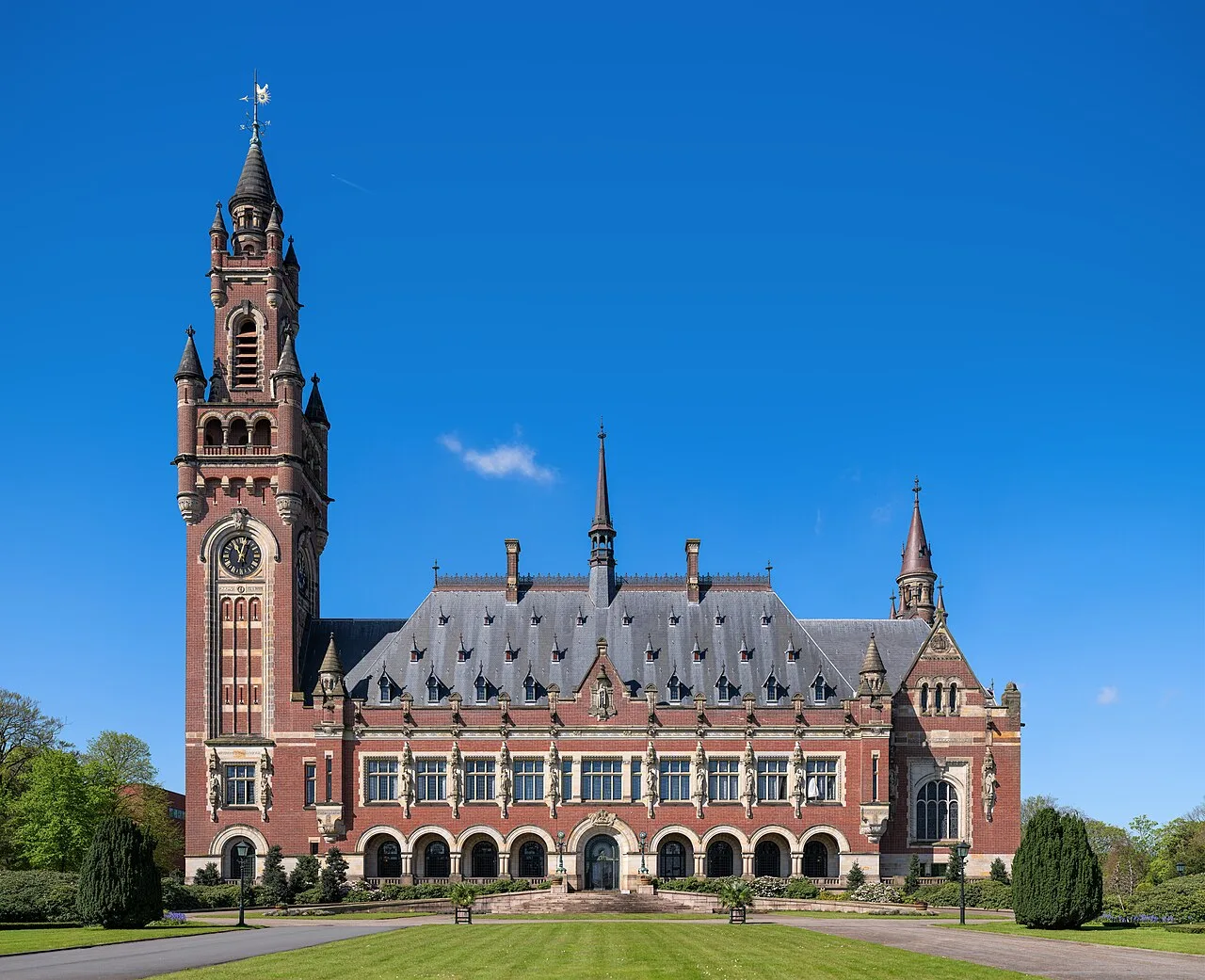
The International Court of Justice has found that Myanmar committed genocide against the Rohingya people, the first time a sovereign state has been held directly responsible for the crime. The verdict, announced on Thursday, November 19, comes 78 years after the United Nations adopted the Genocide Convention. We explain what the court decided, why it is historic, and what it could mean for the case against Israel.
What the court decided
The court ruled that Myanmar committed genocide against the Rohingya ethnic group in the country's northern Rakhine State. The case, Gambia v. Myanmar, was decided by a 9-6 split among the 15 judges. The court also found Myanmar guilty of failing to prevent genocide. The judgment rests on the 1948 Convention on the Prevention and Punishment of the Crime of Genocide, which defines genocide to include killing members of a group, causing serious bodily or mental harm, inflicting conditions calculated to bring about the group's physical destruction, preventing births within the group, and forcibly transferring children to another group.
Why holding a state responsible is a first
Until now, international law has held individuals, not states, criminally responsible for genocide. The Nuremberg trials after the Second World War prosecuted Nazi officials as individuals. The Nuremberg Principles held that crimes against international law are committed by men, not abstract entities. The tribunals for Rwanda and the former Yugoslavia, and the International Criminal Court created by the 1998 Rome Statute, all prosecute individuals. The International Court of Justice, which hears cases between states, had never before held a state directly responsible for committing genocide. That is what makes this verdict historic.
The high bar for proving genocide
To find a breach of the convention, the court must establish two things: the physical act, known as actus reus, and the specific intent to destroy the group, known as dolus specialis. The court sets a very strict test for intent: it can infer genocidal intent from circumstantial evidence only if that is the only reasonable inference that can be drawn from the evidence. Before this case, the court had ruled on the convention in two cases. In Bosnia v. Serbia in 2007, it recognised the 1995 Srebrenica massacre as genocide but held Serbia responsible only for failing to prevent it. In Croatia v. Serbia in 2015, it found no genocidal intent and dismissed both sides' claims. In both cases it leaned on findings already made by the Yugoslavia tribunal, while in the Myanmar case it drew its reasoning principally from the facts of the case itself.
The evidence in the Myanmar case
The court relied on findings from the UN Independent Fact-Finding Mission on Myanmar and the Independent Investigative Mechanism for Myanmar. The evidence covered the military's 2017 clearance operations, which killed about 10,000 Rohingya people, including more than 2,000 children under the age of five. Taken together, the court found, this evidence passed that test, allowing it to hold Myanmar directly responsible under Article III of the convention. It also ruled that the presence of other counter-insurgency objectives alongside the acts did not rule out the co-existence of genocidal intent.
What it means for the case against Israel
The judgment does not decide any other case. Article 59 of the court's statute says its judgments have no binding force except between the parties and in respect of that particular case, so there is no predetermined implication for South Africa v. Israel, filed in 2023, in which Israel is accused of directly committing genocide in the Gaza Strip. But the way the court read the evidence is likely to shape its future reasoning. In the Myanmar case, the court treated the killing of children as foundational to the intent to destroy a group in whole or in part. A 2026 UN Independent International Commission of Inquiry found that at least 20,179 children had been killed in Gaza by Israel since December 2023. Israel has said its actions are part of a counter-terror campaign against Hamas. The Myanmar ruling shows that such an objective does not, in the court's view, exclude genocidal intent. These commonalities, The Indian Express notes, will invariably affect the court's treatment of the Gaza case.
Frequently Asked Questions
What did the ICJ decide in the Myanmar case?
It found Myanmar committed genocide against the Rohingya in Rakhine State, the first time a state has been held directly responsible for genocide. It also found Myanmar guilty of failing to prevent genocide.
Why is the verdict historic?
International courts have previously held only individuals criminally responsible for genocide. The ICJ had never before found a state directly responsible for committing the crime itself.
Does the verdict decide the case against Israel?
No. Under Article 59 of the ICJ statute, a judgment binds only the parties to that case. But the court's reading of the evidence, including its view on the killing of children and on counter-insurgency aims, is likely to influence its reasoning in South Africa v. Israel.
Read More: Explained: The CEC Law Row and the Supreme Court Recall Plea
Read More: Explained: Delimitation and the Fight Over Lok Sabha Seats
Read More: Explained: Yes Bank AT-1 Bonds, the Rs 8,415 Crore Write-Off and the Review Pleas
Read More: Explained: Maharashtra SIR and the 14,567 Voter Deletion Requests


Comments
Be the first to comment on this story.