


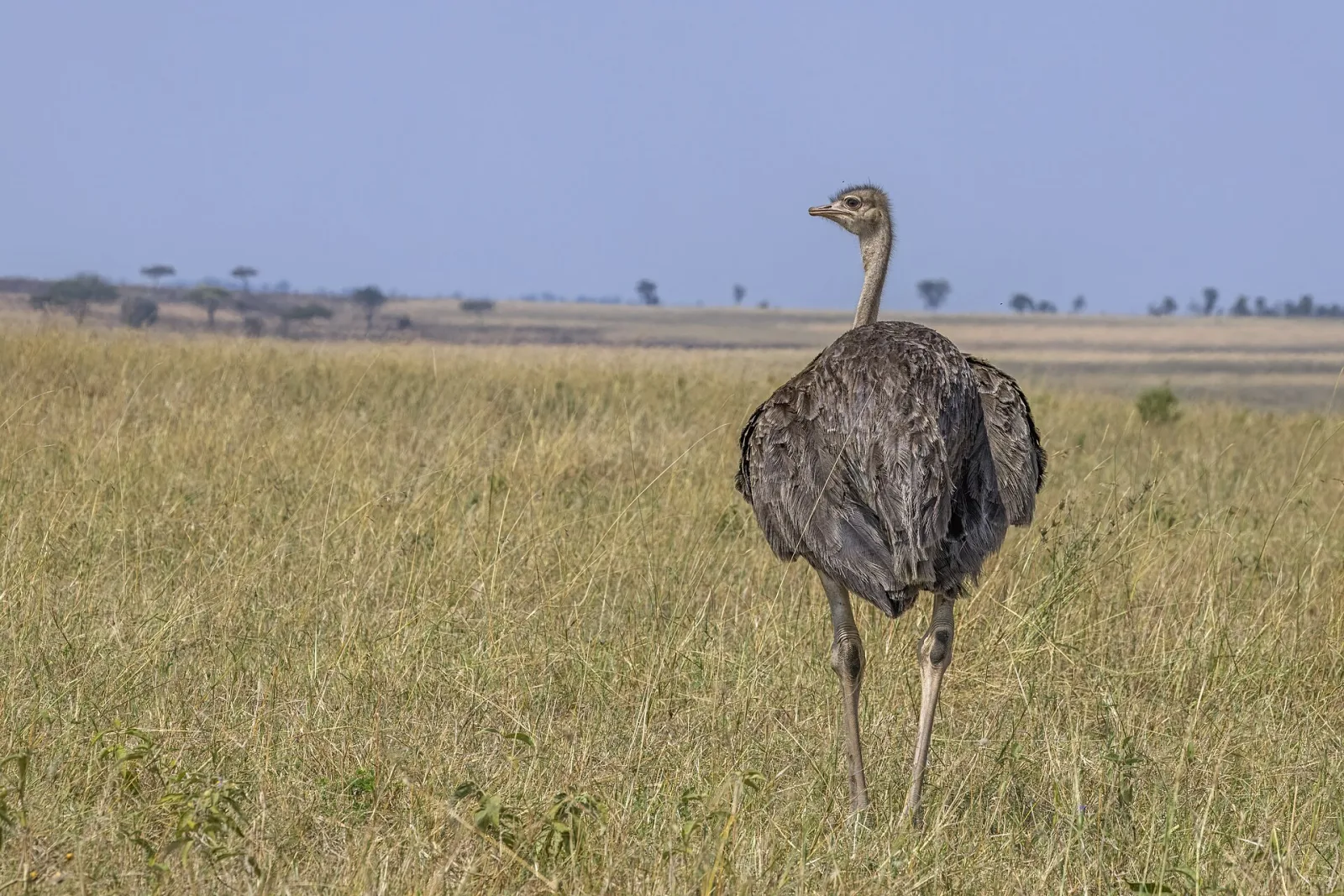
It is one of the oldest animal stories in the world: when danger comes, the ostrich sticks its head in the sand and pretends the threat is not there. The image is so familiar that "bury your head in the sand" has become an everyday phrase for refusing to face a problem. It is also completely false. Ostriches never bury their heads in the sand, and they never have. Verdict: False.
The myth
The claim is simple. Faced with a predator, the ostrich, the largest bird on Earth, supposedly hides by pushing its head into the ground, believing that if it cannot see the danger, the danger cannot see it. The story has been repeated for so long that most people accept it without question.
It fails on the most basic point. A bird with its head buried in sand could not breathe. As National Geographic Kids puts it, ostriches do not bury their heads in the sand because they would not be able to breathe. The bird would suffocate within minutes. No animal behaves in a way that kills it in minutes, and the ostrich is no exception.
Where the story comes from
The myth is about 2,000 years old, and it probably starts with the Roman naturalist Pliny the Elder. In Book 10 of his Natural History, one of the earliest encyclopaedias ever written, Pliny described an ostrich hiding its head in the bushes to appear invisible. He wrote that ostriches "imagine, when they have thrust their head and neck into a bush, that the whole of the body is concealed."
Pliny was writing in the first century AD, and his account was copied and repeated for centuries. The bush in his version later became sand, and a casual observation became a settled fact. Live Science notes that this passage may be the origin of the belief, which has survived ever since.
Three behaviours that fooled observers
The myth survived because ostriches really do things that, seen from a distance, look like head-burying. Three ordinary behaviours created the illusion.
First, nesting. Ostriches do not build nests in trees. They dig a shallow hole in the sand or dirt and lay their eggs in it. Both parents take turns sitting on the eggs, and several times a day they lower their heads into the hole to turn the eggs with their beaks, so the eggs stay evenly warm. From far away, a bird with its head down in a hole looks exactly like a bird with its head buried in the sand.
Second, feeding. Ostriches spend much of the day with their heads close to the ground, picking at grasses, seeds and occasionally small animals such as mice, frogs and insects. Their heads are small compared with their huge bodies, so at a distance the head can seem to vanish into the ground altogether.
Third, hiding in plain sight. When an ostrich on a nest senses danger and cannot run, it sometimes lies extremely flat on the ground with its neck stretched out, to blend in with the terrain. The thin neck and small head disappear against the sand, especially in the heat haze of the savanna. The head never goes underground, but to a distant watcher it looks as if it has.
Tim Steinmetz, the ratites programme coordinator at the California Academy of Sciences, is blunt about it. "Not true," he says. "That image comes from photographers catching the male using his beak and long neck to make a home."
What an ostrich really does in danger
A frightened ostrich does not hide. It runs. Ostriches are the fastest running birds in the world, reaching about 43 mph, or 70 km/h, according to Smithsonian's National Zoo. That is faster than a lion or a hyena, and an ostrich can hold a brisk pace for miles. Speed, keen eyesight and hearing are its real defences, and it has no need to bury its head.
If it cannot escape, it fights. An ostrich stands up to 9 feet tall and can weigh up to 287 pounds, and it can deliver a kick powerful enough to kill a lion. Lying flat is only a last resort, used when the bird is guarding a nest and cannot run without leading a predator to its eggs.
The facts make the myth look even stranger. The ostrich is one of the best equipped animals on the savanna to deal with danger, and the idea that it would choose to suffocate itself in the sand was never more than a story told by people who watched from too far away.
Frequently Asked Questions
Do ostriches really bury their heads in the sand?
No. Ostriches never bury their heads in the sand. They would not be able to breathe, and they have no reason to do it, since they can outrun most predators.
Where did the myth come from?
It probably starts with the Roman writer Pliny the Elder, who wrote in the first century AD that ostriches hide their heads in bushes and imagine their whole body is concealed. The story was repeated for about 2,000 years.
Why does it look like ostriches bury their heads?
Three real behaviours create the illusion: parents lower their heads into ground nests to turn the eggs, feeding birds keep their heads close to the ground, and a threatened bird on a nest lies flat with its neck stretched out to blend in.
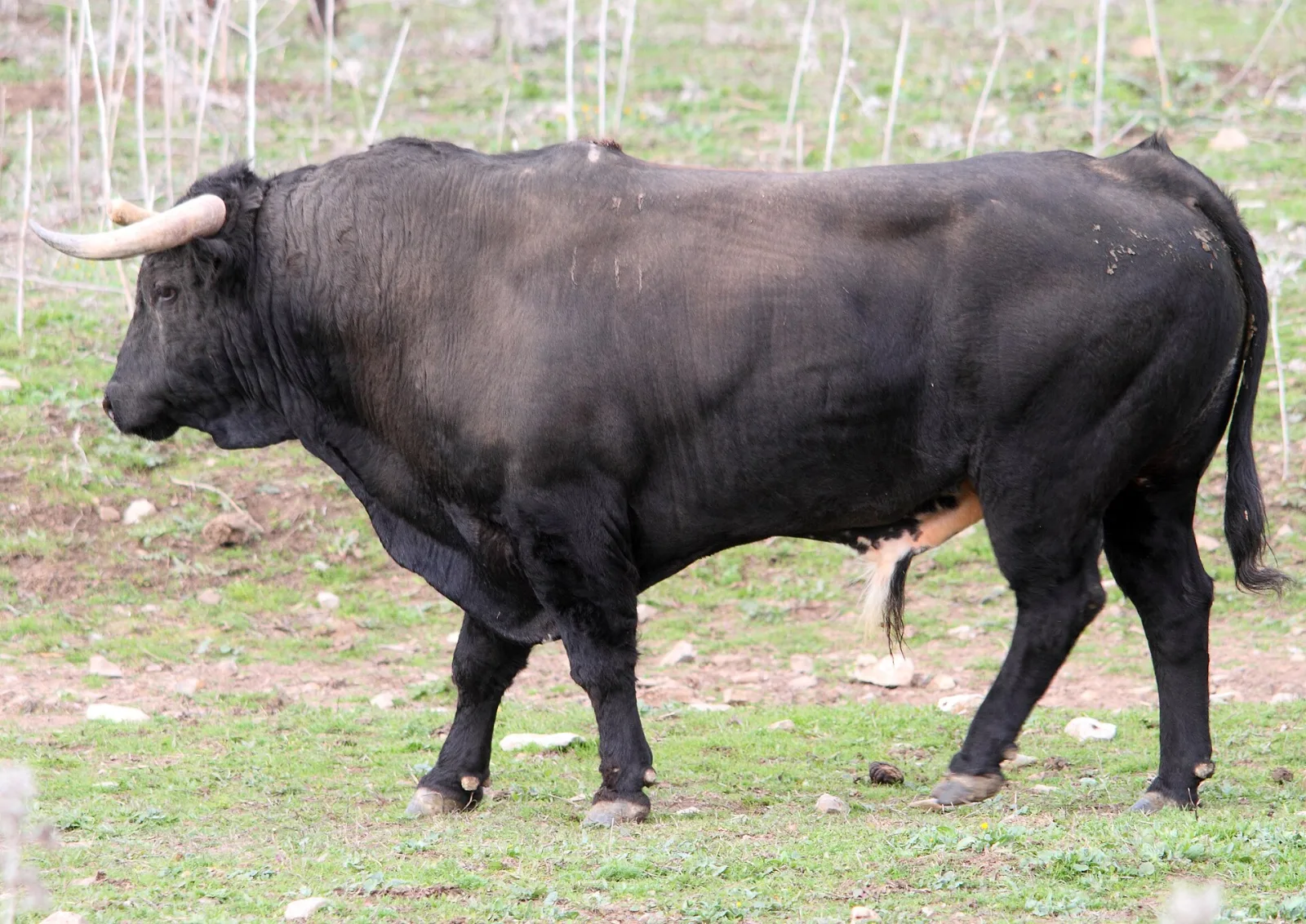
Read More: Myths and Facts: Bulls Do Not Hate Red, Science Shows
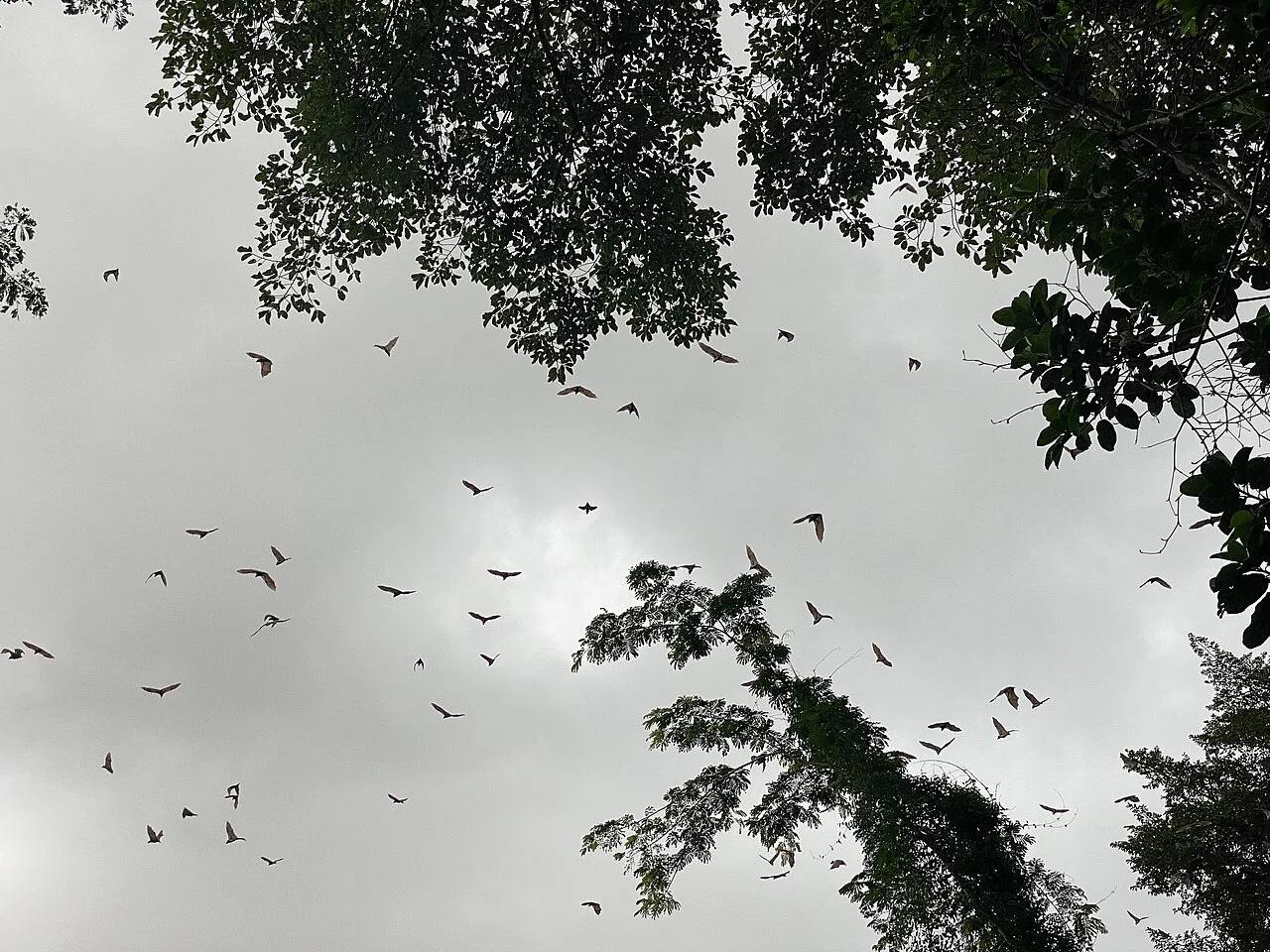
Read More: Myths and Facts: Bats Are Not Blind, They Can See Well
Read More: Myths and Facts: Goldfish Do Not Have a Three Second Memory
Read More: Myths and Facts: Lightning Does Strike the Same Place Twice
Comments
Be the first to comment on this story.