


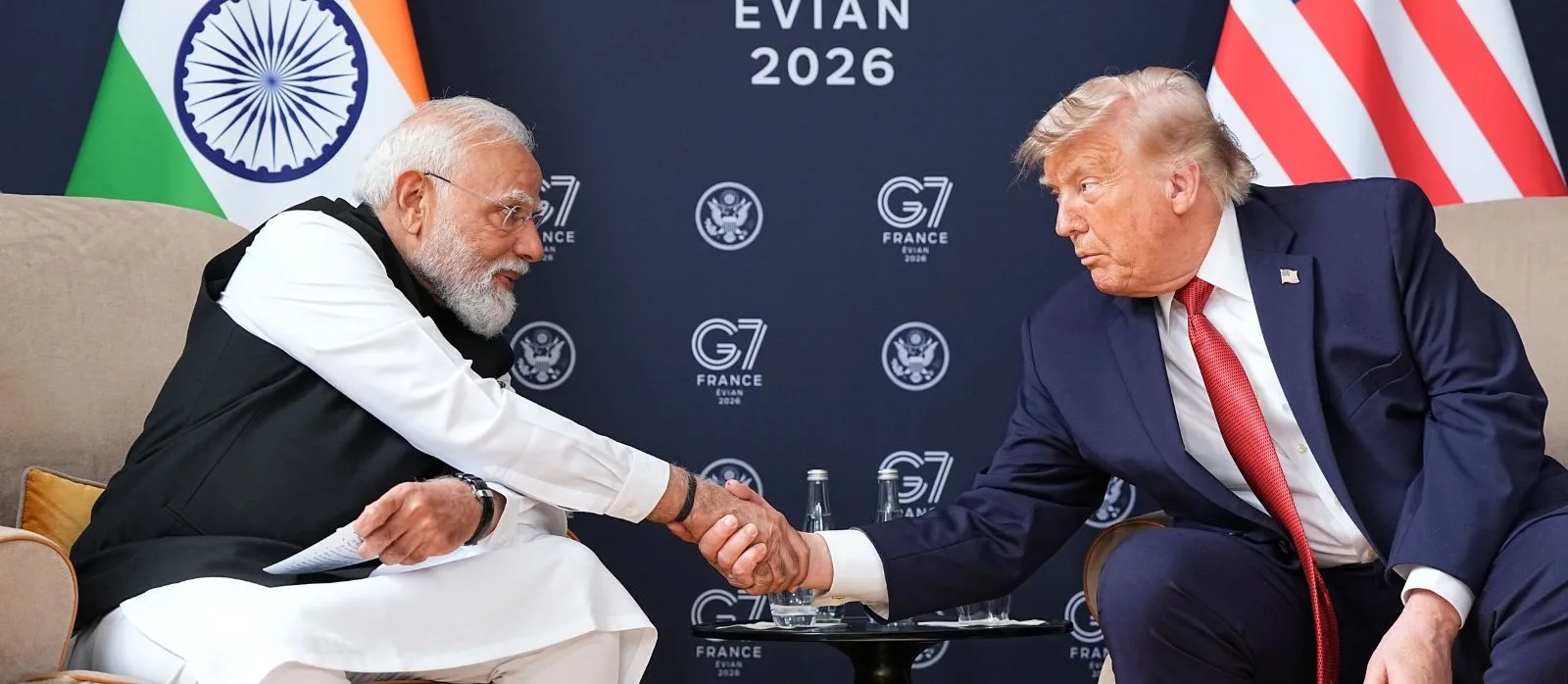
The United States has proposed tariffs of up to 25% on Indian goods under a Section 301 investigation, with the rate falling to 17% if India signs a trade deal with Washington. The proposal, released by the Office of the United States Trade Representative (USTR) on Wednesday, 25 November 2026, puts fresh pressure on the two countries to close a trade agreement that has been under negotiation for nearly two years. Here is what the proposal says, why India has been targeted, and what happens next.
What the US has proposed
The USTR has proposed tariffs of up to 25% on all goods of India, net of existing Section 301 tariffs. That means the rate would be up to 25% in total, not 25% on top of the 10% tariff the US currently imposes on Indian goods in addition to regular customs duties. If India reaches an Agreement on Reciprocal Trade that is responsive to the findings of the investigation, the USTR has proposed considering a lower rate of 17%.
The proposal follows an eight-month investigation launched in March 2026 under Section 301(b) of the Trade Act of 1974, which allows the USTR to investigate foreign acts, policies and practices that burden or restrict US commerce and to respond with tariffs. The investigation covered 14 economies and looked at two issues: whether trading partners were doing enough to stop the import of goods made using forced labour, and whether they were strategically building excess manufacturing capacity that harms the US economy. The latest tariffs are the result of the second investigation.
The proposal is not final. The USTR has invited public comments until 5 January 2027 and scheduled a public hearing for 25 January 2027. The tariffs are unlikely to take effect before the end of January 2027, which gives India about two months to negotiate before the action moves forward.
How India compares with other countries
The proposed rates put India in a middle position. Vietnam faces the highest proposed rate at 35% without a deal, falling to 20% with one, while China faces tariffs of up to 40%. Bangladesh, Indonesia, Malaysia, Cambodia and Thailand have been offered 18% under trade deals. The European Union, Japan, Taiwan, Switzerland and South Korea remain at 15%, with Singapore at 10% under its reciprocal trade deal.
At 17% with a deal, India would have a small tariff edge over its Southeast Asian competitors, which matters because India competes directly with them across textiles, chemicals, electronics, solar products, automobiles and electrical equipment. The edge was a key Indian demand in the trade talks. But the edge exists only if India signs the deal, and the eight-point gap between the 25% rate without a deal and the 17% rate with one is the pressure the proposal creates.
Why the USTR says India is targeted
The USTR has determined that India's acts, policies and practices relating to structural excess capacity and production in manufacturing sectors are unreasonable and burden or restrict US commerce, making them actionable under Section 301. The report says India maintains what it calls a disproportionate manufacturing sector relative to GDP, keeps increasing production in key export-oriented manufacturing sectors, and fails to effectively address global structural excess capacity.
Seven Indian sectors were flagged for overcapacity: solar modules, petrochemicals, steel, textiles, health-related goods, construction materials and auto products. The USTR also pointed to industrial plans to maintain and expand Indian manufacturing, including Make in India and production-linked incentives, along with inadequate labour protections, financial repression and persistent market access barriers.
Pharmaceuticals drew particular attention. The USTR cited Indian industry estimates that India now supplies roughly one-third of its pharmaceutical exports to the United States, accounting for up to 47% of all generic prescriptions and 61% of generic solid oral drugs in the United States. At the same time, the report said, India remains heavily dependent on active pharmaceutical ingredients and bulk drug ingredients, largely imported from China. The USTR argued that this dependence distorts fair, market-oriented competition.
The report also pointed to India's imports of manufacturing inputs. India's imports of intermediate consumption goods from China are up $44 billion, or 97%, between 2017 and 2025, and its imports of such goods from non-market economies are up $91 billion, or 152%, over the same period. The USTR said surging imports of these inputs distort competitive conditions within the Indian market and enhance the competitiveness of Indian downstream products made using them.
What India has said
The Commerce and Industry Ministry said in a statement on Wednesday that it has informed the USTR that India does not have structural excess capacity in any sector. The ministry said the government has taken note of the proposal and that India engaged constructively throughout the investigation. It added that India and the US are engaged in negotiations for a bilateral trade agreement, and that it has been India's position that any trade-related concerns should be addressed within those negotiations.
What a trade deal would cost India
While India would gain a tariff advantage over its Southeast Asian peers, New Delhi would have to accept steep demands under the trade deal. Under the joint statement released by the two countries, India agreed to eliminate or reduce tariffs on all US industrial goods and a wide range of US food and agricultural products, including dried distillers grains, red sorghum for animal feed, tree nuts, fresh and processed fruit, soybean oil, wine and spirits, and additional products.
India also agreed to address long-standing barriers to trade in US medical devices, eliminate restrictive import licensing procedures that delay market access for US information and communication technology goods, and decide within six months of the agreement entering into force whether US-developed or international standards are acceptable for US exports entering the Indian market in identified sectors.
The statement also said India intends to purchase $500 billion worth of US energy products, aircraft and aircraft parts, precious metals, technology products and coking coal over the next five years. The two countries will significantly increase trade in technology products, including graphics processing units and other goods used in data centres, and expand joint technology cooperation.
Commerce and Industry Minister Piyush Goyal said on 3 November that the US may have eased its demands on genetically modified products and certain dairy imports, both major points of contention. "We are very sensitive to the opening of the dairy sector. Till date, we have never opened the dairy sector for anybody. We are sensitive about not allowing any GM products to come to India. We have never allowed it, and we will never allow it in the future. We are sensitive to our religious sensitivities," Goyal said.
How we got here
The proposal replaces an earlier tariff regime. Nearly nine months ago, the US Supreme Court ruled against President Donald Trump's Liberation Day tariffs, which had seen US tariffs of 50% imposed on Indian goods between August 2025 and February 2026. The reciprocal rates for India were then set at 18% in February 2026 and reduced to 17% after several rounds of negotiations.
India and the US have been negotiating the first tranche of their bilateral trade agreement since March 2025, but the deal had been stuck for months amid steep US demands, particularly on agriculture. The stakes are large: India's monthly exports to the US in 2026 ranged from about $6.6 billion to $9 billion, with a trade surplus of roughly $2 billion to $3 billion a month.
What happens next
The next two months will decide whether the 25% rate or the 17% rate applies. Public comments close on 5 January 2027 and the USTR will hold a hearing on 25 January 2027 before finalising the action. India is expected to take up the proposed tariffs with Washington as a priority, and the issue will now sit at the centre of the trade deal negotiations, alongside the broader questions of market access and non-tariff barriers that have held up the agreement.
Frequently Asked Questions
What tariffs has the US proposed on Indian goods?
The US Trade Representative has proposed tariffs of up to 25% on Indian goods under a Section 301 investigation into excess manufacturing capacity. The rate would fall to 17% if India signs an Agreement on Reciprocal Trade with the US.
What is a Section 301 investigation?
Section 301(b) of the Trade Act of 1974 allows the US Trade Representative to investigate foreign acts, policies and practices that burden or restrict US commerce and to respond with tariffs. The current investigation looked at forced labour and structural excess capacity in 14 economies.
When will the proposed tariffs take effect?
Not before the end of January 2027. The USTR has invited public comments until 5 January 2027 and scheduled a public hearing for 25 January 2027, after which it will consider the submissions before finalising the action.
Read More: Explained: GST on Group Health Insurance and the Input Tax Credit Change
Read More: Explained: Tata Trusts vs Chandrasekaran, the Article 121 Fight Over His Reappointment
Read More: Explained: West Bengal SIR, the Supreme Court Order on 38 Lakh Voter Appeals
Read More: Explained: SC Orders Red Hexagon Warnings on High Sugar, Salt and Fat Foods

Comments
Be the first to comment on this story.