


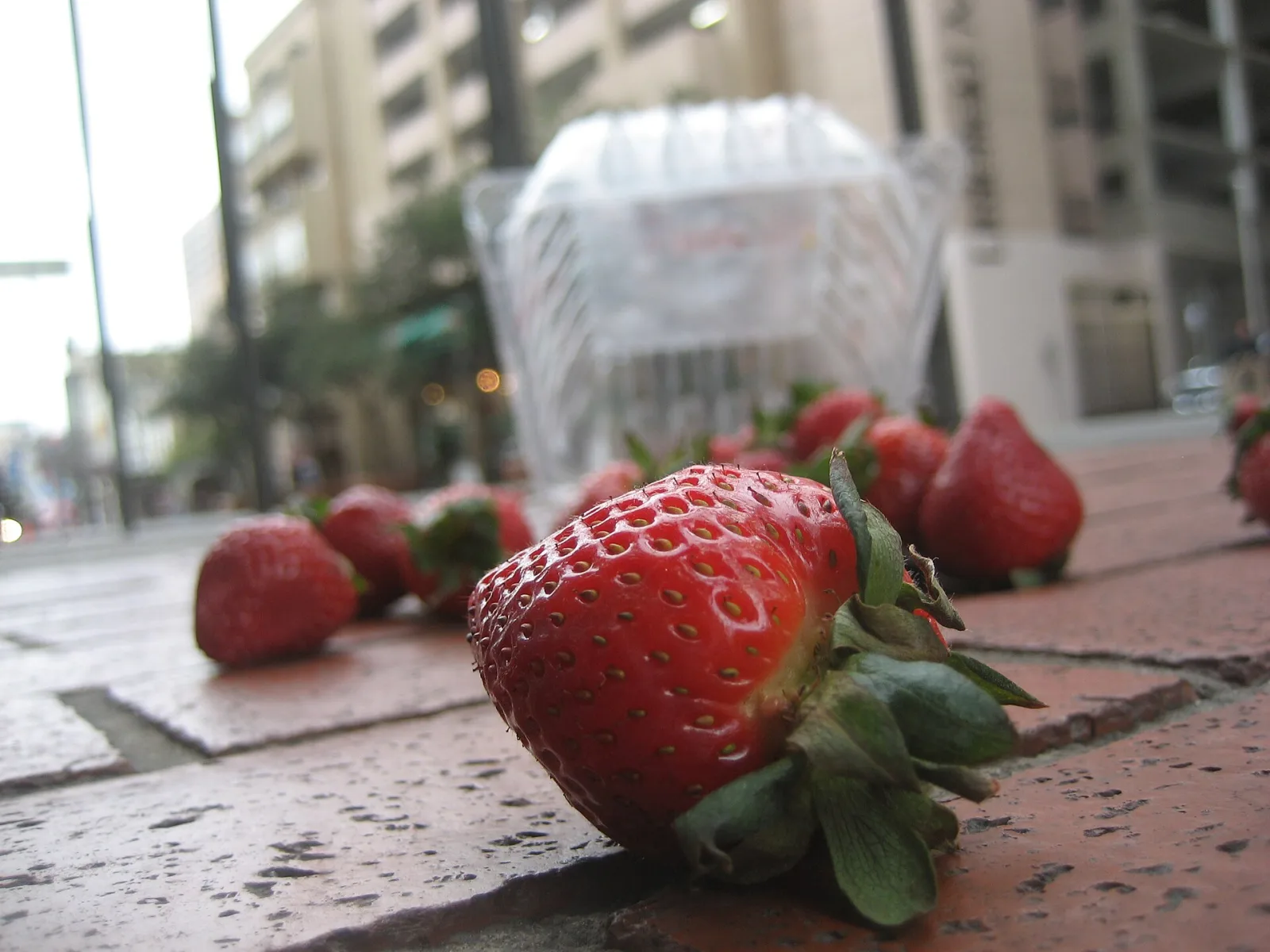
Drop a biscuit on the floor, pick it up within five seconds, and it is safe to eat. That is the five-second rule, one of the most repeated food myths in the world. The verdict is simple: it is false. Bacteria do not wait for a countdown. They can move onto food in under a second, and whether the food is safe depends far more on how wet it is and what it landed on than on how fast you grab it.
The myth
The rule says bacteria need time to climb from the floor onto food, so a quick rescue beats them. It sounds sensible, and it is easy to remember, which is why parents, students and cooks have repeated it for decades. The first written reference to a rule about eating dropped food appeared in 1995, though the idea is older. Food scientist Paul Dawson traces the legend back to Genghis Khan, who is said to have let food dropped at his banquets be eaten for as long as he allowed, because food prepared for the Khan was too special to waste.
What the studies found
Two peer-reviewed studies have tested the rule directly, and both reached the same conclusion.
In 2007, food scientist Paul Dawson and colleagues at Clemson University dropped bologna and bread onto tile, wood and carpet inoculated with Salmonella. After just five seconds on tile, more than 99 percent of the bacteria had transferred to the bologna. Transfer from carpet was far lower, under 0.5 percent, but the clock offered no protection on hard surfaces.
In 2016, Donald Schaffner and Robyn Miranda at Rutgers University ran a larger test, published in the journal Applied and Environmental Microbiology. They dropped four foods, watermelon, bread, bread with butter and gummy candy, onto four surfaces, stainless steel, ceramic tile, wood and carpet, for under one second, five seconds, 30 seconds and 300 seconds. Longer contact did move more bacteria, but some transfer happened in under a second. The five-second rule, Schaffner said, is a significant oversimplification of what actually happens when bacteria transfer from a surface to food.
An earlier test in 2003 by high school student Jillian Clarke at the University of Illinois found E. coli moving onto gummy bears and cookies left on inoculated tiles for five seconds. In 2014, researchers at Aston University in England reported that contact time mattered, though their work was shared in a press release and not published in a peer-reviewed journal. The television series MythBusters tested the rule in 2005 and also found bacteria transfer within seconds.
Moisture matters more than time
The Rutgers study found that the single biggest driver of transfer was moisture, not time. Watermelon, wet and smooth, picked up the most bacteria of any food tested. Dry gummy candy picked up the least. Schaffner put it plainly: bacteria do not have legs, they move with moisture, and the wetter the food, the higher the risk of transfer.
The surface matters too. Carpet transferred far fewer bacteria than tile or stainless steel, because its fibres soak up the moisture that carries the bacteria. Wood sat in between, with more variable results. So a wet slice of watermelon dropped on a tile floor for one second is a worse bet than a dry biscuit left on carpet for five. The count of five is close to irrelevant next to the food, the surface and how dirty the floor is in the first place.
Why the rule feels true
The rule survives because most of the time, nothing bad happens. A cookie that picks up a little dust and floor bacteria is not likely to harm a healthy person, as Schaffner himself has noted. Floors in homes are rarely loaded with the pathogens that cause food poisoning, and a healthy immune system handles small exposures without a fuss. That is also why the rule is dangerous as advice. It turns a lucky outcome into a guarantee. The people most at risk, young children, older people and anyone with a weak immune system, are the ones a blanket rule would mislead most. Microbiologist Charles Gerba of the University of Arizona has called the kitchen floor one of the germiest spots in the house.
The verdict
The five-second rule is a myth in its literal form. Bacteria can transfer to dropped food in under a second, and no amount of haste makes a dirty floor safe. Time helps a little, since longer contact moves more bacteria, but moisture and the surface matter more. The safe choice is the boring one: if food hits the floor, throw it away, and wash your hands before you eat.
Frequently Asked Questions
Does the five-second rule work at all?
No, not as a safety rule. Studies at Clemson and Rutgers found bacteria transfer to food in under a second on some surfaces, so picking food up quickly does not guarantee it is safe.
What matters more than time when food hits the floor?
Moisture and the surface. Wet foods like watermelon pick up far more bacteria than dry foods like gummy candy, and tile and stainless steel transfer far more than carpet.
Is it ever safe to eat food that fell on the floor?
Usually nothing bad happens to a healthy person, because home floors rarely carry enough pathogens to cause illness. But there is no safe time limit, and the risk is higher for children, older people and anyone with a weak immune system.
Read More: Myths and Facts: Vitamin C Does Not Prevent the Common Cold
Read More: Myths and Facts: Cracking Your Knuckles Does Not Cause Arthritis
Read More: Myths and Facts: Sugar Does Not Make Children Hyperactive
Read More: Myths and Facts: Coffee Does Not Dehydrate You, Studies Show

Comments
Be the first to comment on this story.