


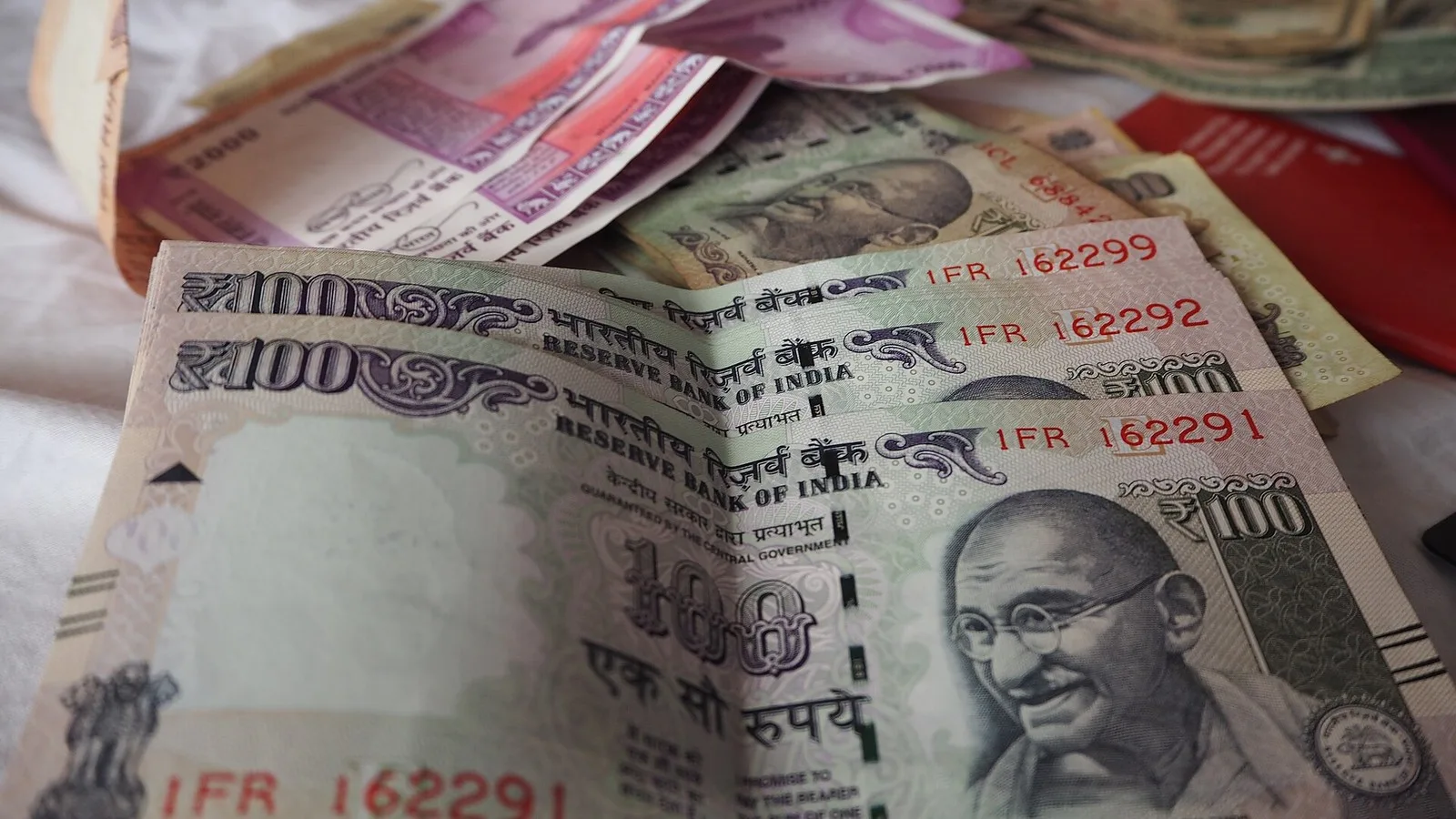
The rupee had its worst day in weeks on Friday, 27 November, sliding 60 paise to close at 92.98 against the US dollar. The fall came as crude oil prices surged past 97 dollars a barrel, the stock market tumbled, and importers rushed to buy dollars for their month-end payments. Here is what moved the currency, and what a weaker rupee means for prices, trade and the economy.
What happened on Friday
The rupee opened at 92.44 against the dollar and weakened through the day, touching 93.01 at its lowest point before settling at 92.98, according to PTI. That was 60 paise lower than Thursday's close of 92.38. Forex dealers quoted by Informist said the rupee was the worst performer among Asian currencies on the day, falling 0.6 per cent.
The equity market fell with it. The Sensex crashed 989.33 points, or 1.17 per cent, to close at 83,339.26, while the Nifty fell 277.30 points, or 1.07 per cent, to 25,607.20. Information technology, automobile, financial services and realty stocks led the losses.
The scale of the fall needs some context. This was not the rupee's weakest level ever. The currency's lowest-ever close was 96.88 against the dollar, recorded on 8 October, and it has recovered nearly 5 per cent since then. It gained about 2.6 per cent in November alone, making it the best-performing Asian currency this month. Friday's slide was a sharp reversal after weeks of strength, not the start of a collapse.
Why crude oil pushed it down
The main trigger was crude oil. Brent crude, the global benchmark, rose to about 97 dollars a barrel, touching 98 dollars intraday, after Houthi attacks on an Aramco facility in Saudi Arabia. There were also reports of vessels being targeted in the Strait of Hormuz, which raised fears of supply disruptions.
This matters so much for the rupee because India imports more than 85 per cent of the crude oil it uses. When oil gets costlier, oil marketing companies and other importers need far more dollars to pay the same import bill, so demand for dollars jumps and the rupee weakens.
Friday also brought month-end dollar demand from importers, which added to the pressure. Dealers said the rush of dollar buying triggered stop-losses on bets that the rupee would strengthen, and that pushed the currency down further in a matter of hours.
The other pressures on the rupee
Crude was not the only factor. Foreign investors sold Indian equities on Friday, adding to the outflow pressure on the currency. A strong US dollar also weighed on the rupee: the dollar index, which measures the greenback against six major currencies, traded near 103.8, close to a 19-month high.
Sentiment was also hurt by trade worries. The US Trade Representative's office has proposed a 25 per cent tariff on Indian goods, which could drop to 17 per cent if India and the US sign a trade deal. Forex traders said the tariff proposal weighed on the rupee through the day.
What kept the fall from being worse was the foreign money that has been flowing into India. Foreign institutional investors bought equities worth Rs 5,843.33 crore on a net basis on Thursday, according to exchange data. November has seen record foreign equity inflows of 15.16 billion dollars, which have helped the Reserve Bank of India rebuild its foreign exchange reserves and supported the rupee through the month.
What a weaker rupee means for you
A weaker rupee makes everything India imports more expensive. Crude oil is the biggest item, so costlier oil can push up petrol and diesel prices and feed into inflation across transport, food and manufacturing. It also widens the trade deficit, since India pays more dollars for the same volume of imports.
There are winners too. Exporters earn more rupees for every dollar they bring in, which helps information technology firms, pharmaceutical companies and other exporters. But for households, the immediate effects are mostly on the cost side: costlier fuel, costlier imported electronics and edible oil, and higher costs for students and travellers paying in dollars abroad. Companies that borrowed in dollars also face higher repayment costs.
How the rupee's value is set
The rupee's value is set by the market, through supply and demand for dollars, and the Reserve Bank of India steps in to smooth sharp moves rather than fix the rate at a particular level. When inflows are strong, as they were for most of November, the rupee strengthens. When oil spikes or foreign investors sell, as on Friday, it weakens.
Analysts quoted after Friday's trading expect the rupee to move in a range of about 92.65 to 93.20 against the dollar in the coming sessions. Anuj Choudhary, research analyst at Mirae Asset Sharekhan, said elevated crude prices, a firm dollar and month-end dollar demand could keep pressure on the currency in the near term.
What to watch next
Three things will decide where the rupee goes from here. First, crude oil prices and the situation in West Asia: any further disruption to supplies would push oil higher and the rupee lower. Second, foreign investor flows: November's record inflows supported the rupee, and whether that buying continues matters more than any single day's move. Third, the dollar itself and the US-India trade talks, since a deal that lowers the proposed tariff would remove one source of pressure.
The National Statistics Office is also due to release the July-September GDP growth data on Monday, 30 November, and economists expect growth of about 7.6 per cent. A strong number would support sentiment around the rupee, while a weak one could add to the pressure.
Frequently Asked Questions
How much did the rupee fall on 27 November?
The rupee closed at 92.98 per dollar, down 60 paise from Thursday's close of 92.38, after touching an intraday low of 93.01. It was the worst performer among Asian currencies that day.
Why did the rupee fall?
Brent crude surged above 97 dollars a barrel after attacks on Saudi oil facilities, month-end dollar demand from importers added to the pressure, equities fell as foreign investors sold, and the dollar index stayed near a 19-month high.
Is 92.98 the weakest the rupee has ever been?
No. The rupee's lowest-ever close was 96.88 against the dollar on 8 October, and it has recovered nearly 5 per cent since then, gaining about 2.6 per cent in November.
Read More: Explained: RBI Cuts Daily CRR Maintenance to 90%, What It Means for Banks
Read More: Explained: US Section 301 Tariffs on India, the 25% Proposal and the 17% Deal Rate
Read More: Explained: New US Tariffs, Why India Has an Edge Over ASEAN and at What Cost
Read More: Explained: Sensex Surges 2,000 Points, What Is Behind the Rally

Comments
Be the first to comment on this story.